
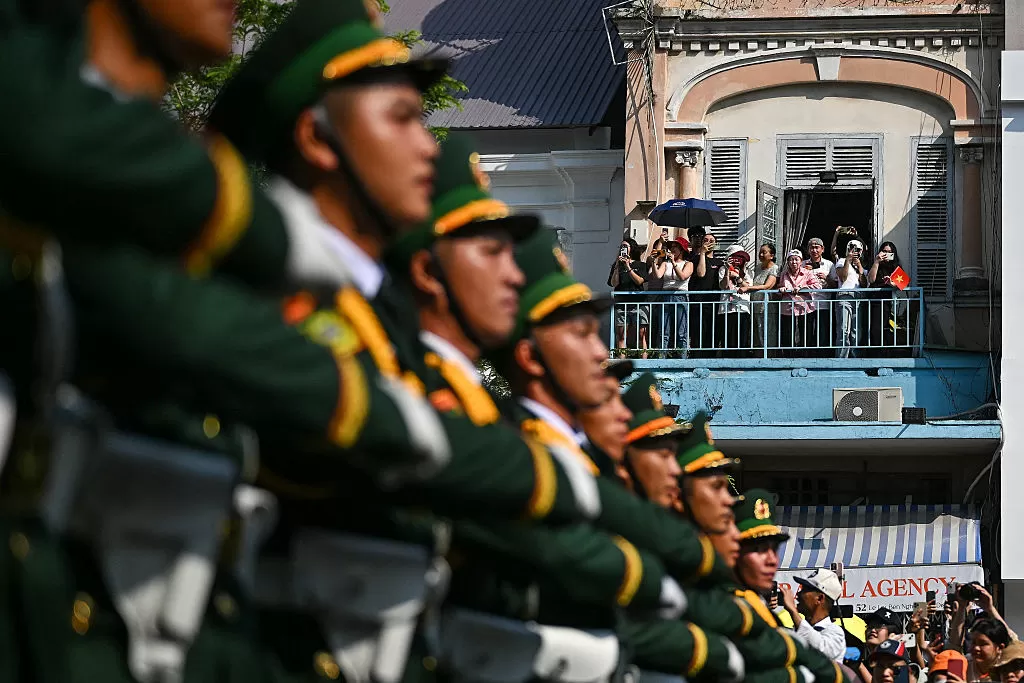
Five decades have passed since the fall of Saigon, marking the end of the Vietnam War and the beginning of a new chapter in the relationship between America and Vietnam. However, even after all these years, the legacy of the war and the current state of the relationship between the two countries remains uncertain.
The Vietnam War, which lasted for 19 years, was one of the most controversial and divisive conflicts in American history. It left a deep scar on the American psyche, with over 58,000 American soldiers losing their lives and countless others returning home with physical and emotional wounds. The war also had a devastating impact on Vietnam, with millions of lives lost and the country left in ruins.
But as the years have passed, both America and Vietnam have made significant efforts to move past the war and build a new relationship. In 1995, the two countries established diplomatic relations, and in the years that followed, trade and economic ties between them have grown significantly. Today, Vietnam is one of the fastest-growing economies in the world, and the United States is one of its top trading partners.
However, despite these positive developments, the legacy of the war still looms large. The wounds of the past have not fully healed, and the relationship between America and Vietnam is still mired in uncertainty.
One of the main challenges facing the relationship is the issue of Agent Orange. During the war, the United States sprayed millions of gallons of this toxic herbicide over Vietnam, causing widespread environmental and health problems. The effects of Agent Orange are still being felt today, with many Vietnamese still suffering from its long-term consequences. The United States has provided some aid for the victims, but many argue that it is not enough, and there is still a lack of accountability for the use of this chemical weapon.
Another issue that continues to strain the relationship is the search for missing American soldiers. Over 1,500 American soldiers are still unaccounted for in Vietnam, and their families are still waiting for closure. The Vietnamese government has been cooperating with the United States in this search, but progress has been slow, and many families are still left without answers.
Furthermore, the political and ideological differences between the two countries also add to the uncertainty of their relationship. Vietnam remains a communist country, while the United States is a democracy. This has led to tensions and disagreements on various issues, including human rights and freedom of speech.
Despite these challenges, there have been positive developments in recent years that give hope for a brighter future for the relationship between America and Vietnam. In 2016, President Barack Obama visited Vietnam, marking the first time a sitting U.S. president had visited the country since the war ended. This visit was seen as a significant step towards reconciliation and a symbol of the growing ties between the two nations.
In addition, the younger generations in both countries have shown a willingness to move past the war and build a new relationship. Many young Americans are traveling to Vietnam to learn about its culture and history, while Vietnamese youth are embracing American pop culture and studying in American universities.
Moreover, the economic ties between the two countries continue to strengthen, with American companies investing in Vietnam and creating job opportunities for the Vietnamese people. This has helped to improve the standard of living in Vietnam and has brought the two countries closer together.
As we reflect on the 50th anniversary of the fall of Saigon, it is essential to acknowledge the progress that has been made in the relationship between America and Vietnam. However, it is also crucial to address the remaining challenges and work towards finding solutions that will bring closure and strengthen the ties between the two nations.
The legacy of the Vietnam War will always be a part of the history of America and Vietnam. But it is up to both countries to shape the future of their relationship and build a new legacy that is based on mutual respect, understanding, and cooperation. As we look towards the future, let us remember the lessons of the past and work towards a brighter and more certain future for America and Vietnam.
