
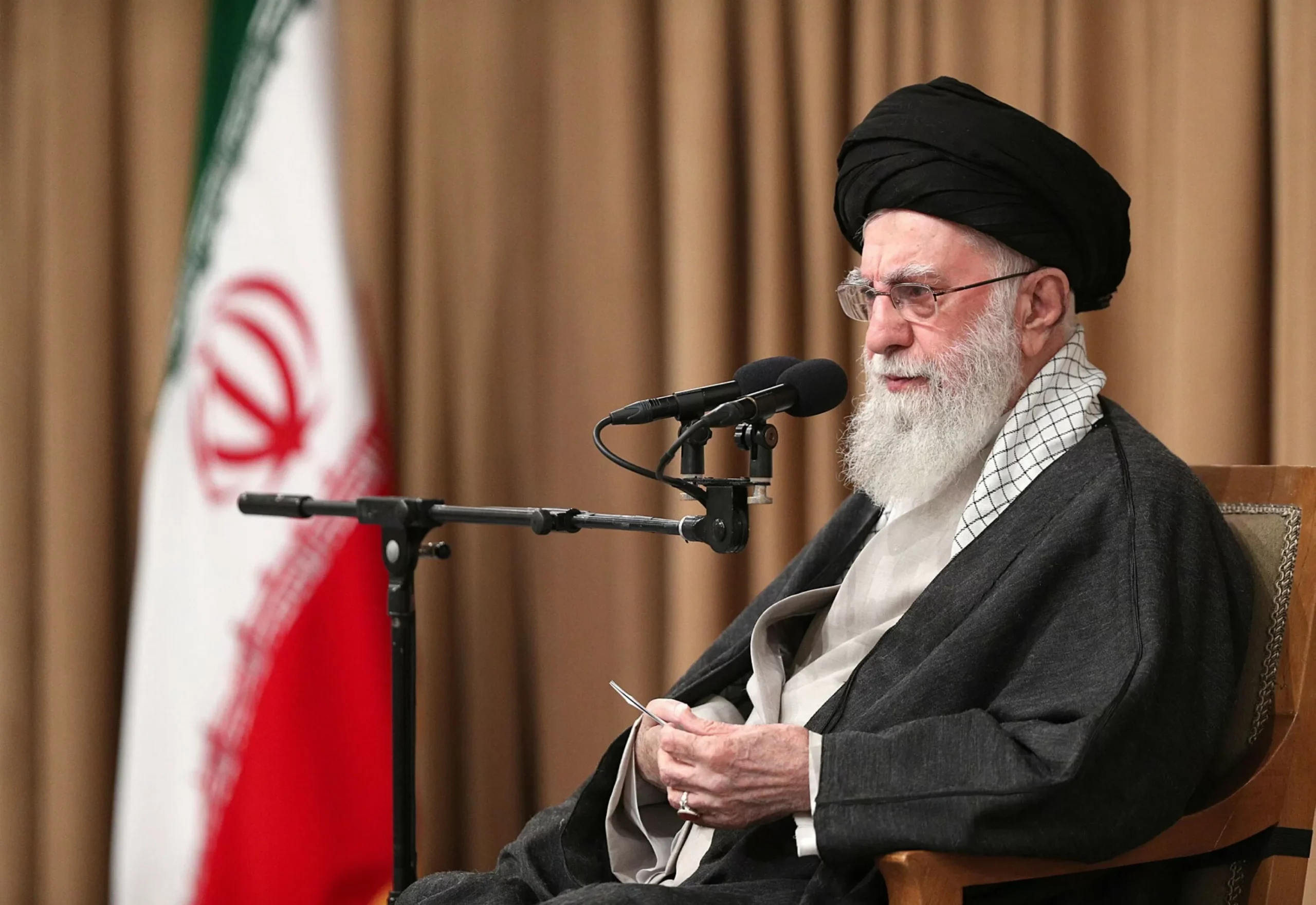
Iran’s Supreme Leader Rejects Direct Talks with the US over Nuclear Program
In a recent development, Iran’s Supreme Leader Ayatollah Ali Khamenei has ruled out the possibility of direct talks with the United States over the country’s nuclear program. This decision has put an end to any last-minute efforts to prevent the reimposition of UN sanctions on Iran.
The nuclear deal, also known as the Joint Comprehensive Plan of Action (JCPOA), was signed in 2015 between Iran and six world powers, including the US. Under the deal, Iran agreed to limit its nuclear activities in exchange for the lifting of economic sanctions. However, in 2018, the US unilaterally withdrew from the deal and reimposed sanctions on Iran, citing concerns over the country’s nuclear program and its involvement in regional conflicts.
Since then, Iran has been struggling to keep the deal alive and has engaged in talks with the remaining parties to the deal, namely China, Russia, France, Germany, and the UK. However, with the US out of the picture, these talks have not yielded any significant results.
In a televised speech on Tuesday, Ayatollah Khamenei made it clear that Iran will not engage in direct talks with the US, stating that “negotiations with the US will bring nothing but harm.” He also emphasized that Iran’s nuclear program is solely for peaceful purposes and that the country will not give in to US pressure.
This decision by Iran’s Supreme Leader comes at a critical time as the US is pushing for the extension of the UN arms embargo on Iran, which is set to expire in October. The US has also been lobbying for the reimposition of all UN sanctions on Iran, including an arms embargo and restrictions on Iran’s ballistic missile program.
The US has also been trying to rally support from other countries to extend the arms embargo, but it has faced strong opposition from China and Russia, who are both permanent members of the UN Security Council and have veto power. Iran has warned that any attempt to extend the arms embargo will be met with a strong response.
The rejection of direct talks with the US by Iran’s Supreme Leader is a clear indication that the country will not back down in the face of US pressure. It also shows that Iran is committed to upholding its sovereignty and will not allow its nuclear program to be used as a bargaining chip by the US.
Moreover, Ayatollah Khamenei’s decision has received widespread support from the Iranian people, who have been bearing the brunt of the US sanctions. The Iranian people have shown resilience and unity in the face of these challenges, and their support for their leader’s decision is a testament to their unwavering commitment to their country.
It is also worth noting that Iran has been fully compliant with the terms of the nuclear deal, as confirmed by the International Atomic Energy Agency (IAEA). However, the US has continued to impose sanctions on Iran, which have severely impacted the country’s economy and its people.
In light of these developments, it is imperative for the international community to support Iran’s stance and uphold the nuclear deal. The JCPOA is a crucial agreement that not only benefits Iran but also promotes peace and stability in the region. It is the responsibility of all parties involved to honor their commitments and find a way to keep the deal alive.
In conclusion, Iran’s Supreme Leader’s rejection of direct talks with the US over the nuclear program is a clear message to the international community that Iran will not be coerced or bullied into giving up its rights. It is a stance that is supported by the Iranian people and should be respected by all parties involved. The ball is now in the court of the remaining parties to the JCPOA to find a solution and prevent the reimposition of UN sanctions on Iran. The world is watching, and it is time for the international community to take a stand for peace and diplomacy.
