
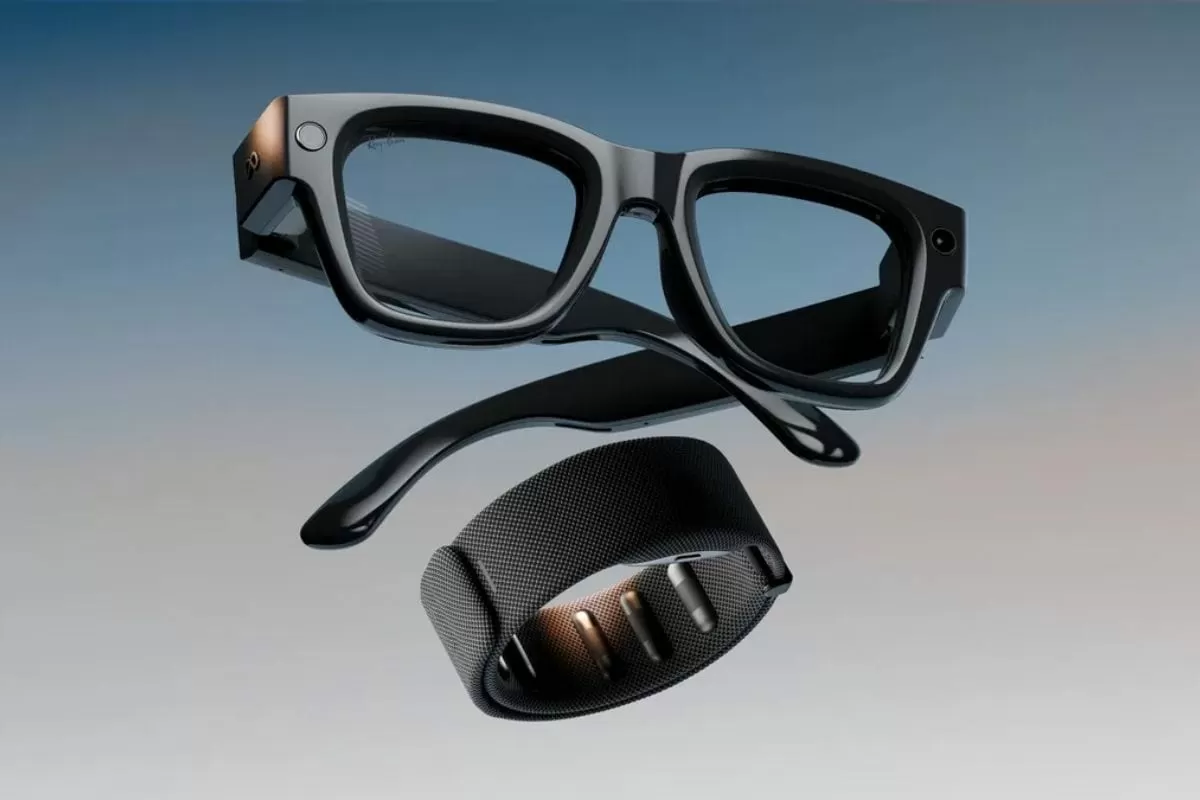
Meta, the tech giant known for its virtual reality headsets and social media platforms, is reportedly gearing up to enter the smartwatch market. According to recent reports, the company is planning to launch its first smartwatch, code-named Malibu 2, later this year. This move would mark Meta’s revival of its shelved smartwatch project from 2022 and could potentially shake up the wearable tech industry.
The Malibu 2 smartwatch is said to have a strong focus on health tracking and will come equipped with a built-in Meta AI assistant. This means that users will not only be able to track their fitness and health goals, but also have access to the powerful capabilities of Meta’s AI technology. This could potentially give the smartwatch an edge over its competitors, as it combines both health and AI features in one device.
But that’s not all. The report also suggests that the Malibu 2 smartwatch could debut alongside updated Ray-Ban Display smart glasses. This could mean that users will have the option to pair their smartwatch with the smart glasses, creating a seamless and integrated experience. Additionally, the smartwatch may also replace the neural wristband used for gesture controls, making it a multi-functional device.
This move by Meta is not surprising, as the company has been investing heavily in the development of wearable technology. In fact, Meta’s CEO Mark Zuckerberg has previously expressed his interest in creating a smartwatch that can track health and fitness data. With the Malibu 2 smartwatch, it seems like Meta is finally turning this vision into a reality.
However, the launch of the Malibu 2 smartwatch is not the only update in Meta’s wearable tech roadmap. The report also notes that the company has delayed the release of its Phoenix mixed-reality glasses to 2027. This decision comes as part of a broader AR roadmap review, indicating that Meta is taking a more strategic approach to its wearable technology development.
The Phoenix mixed-reality glasses were initially planned to be released in 2025, but the delay suggests that Meta is taking the time to perfect the technology and create a more seamless and user-friendly experience. This could potentially result in a more advanced and innovative product in the future.
Overall, the news of Meta’s entry into the smartwatch market and the delay of its Phoenix mixed-reality glasses is a clear indication of the company’s commitment to wearable technology. With its strong focus on health tracking and AI capabilities, the Malibu 2 smartwatch has the potential to disrupt the wearable tech industry and establish Meta as a major player in this market.
Moreover, the delay of the Phoenix mixed-reality glasses shows that Meta is not rushing into the market, but rather taking the time to create a product that meets the high standards of the company. This could result in a more advanced and user-friendly product that will set a new benchmark for mixed-reality glasses.
In conclusion, the launch of the Malibu 2 smartwatch and the delay of the Phoenix mixed-reality glasses are both exciting developments for Meta and the wearable tech industry as a whole. With its innovative features and potential for integration with other devices, the Malibu 2 smartwatch could be a game-changer in the market. And with the delay of the Phoenix mixed-reality glasses, we can expect an even more advanced and impressive product in the future. Meta’s foray into the smartwatch market is definitely something to look forward to, and we can’t wait to see what the company has in store for us.
