
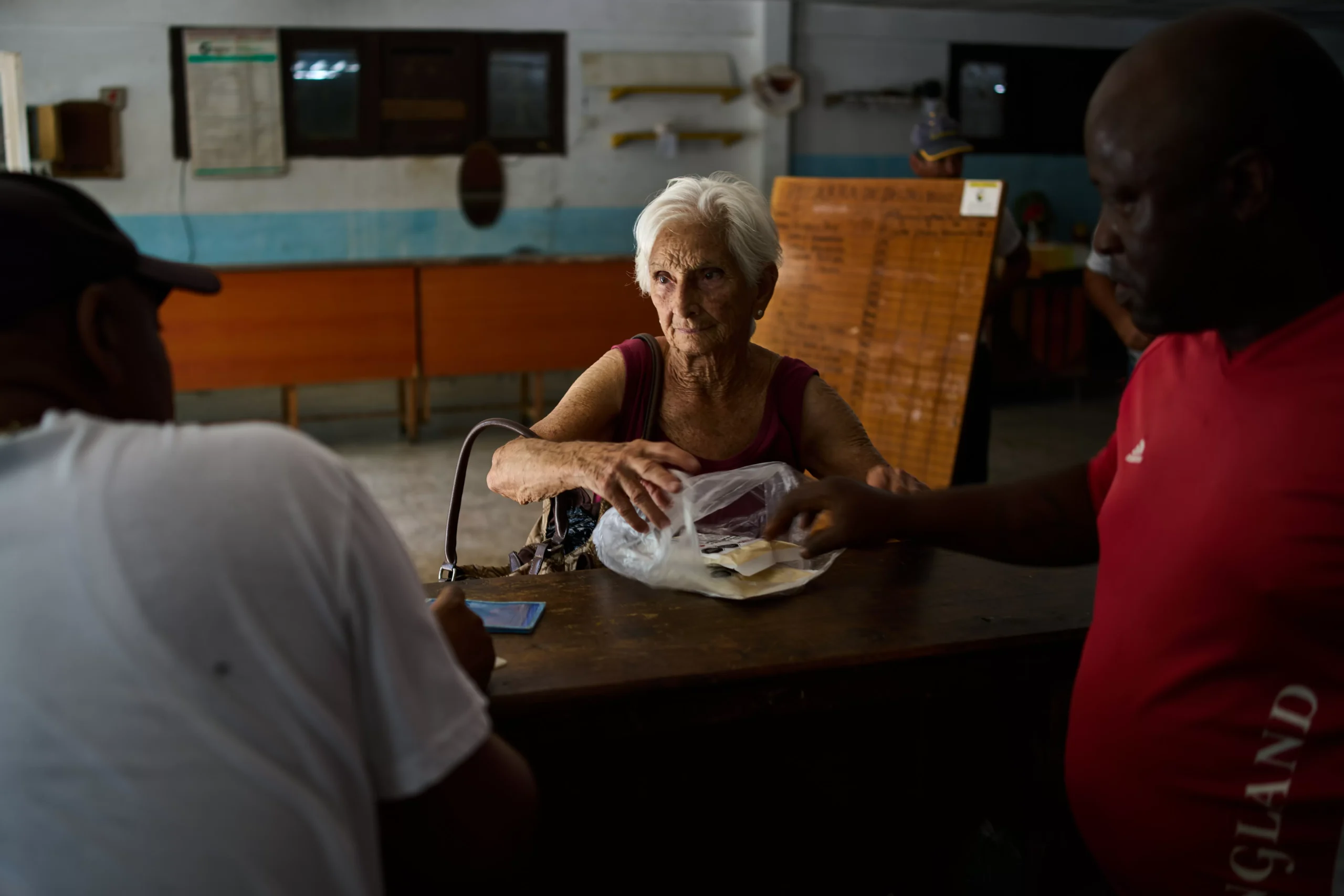
HAVANA (AP) — The city of Havana and the rest of western Cuba were hit with a massive blackout on Wednesday, leaving millions of people without power. While this is not the first time Cuba has experienced such an outage, it is a stark reminder of the challenges the island nation faces in terms of energy supply and infrastructure.
According to government radio station Radio Rebelde, an energy official stated that it could take at least a few days for power to be fully restored. This comes as a major inconvenience for many Cubans, who are already struggling with daily power cuts and electricity shortages due to the country’s dwindling oil reserves and outdated electric grid.
The power outage, which began in the early morning hours, affected not only homes and businesses, but also hospitals and public transportation. Many hospitals had to rely on backup generators to continue providing essential medical services, while commuters were left stranded without functioning trains and buses.
In a country where the government controls most of the economy, citizens have become accustomed to power outages, especially during the hot summer months when demand for electricity is high. However, this latest blackout has raised concerns and sparked frustration among many Cubans.
In recent years, Cuba has faced a series of power outages due to a variety of issues, including outdated infrastructure, lack of maintenance, and reliance on imported oil. The country has been heavily reliant on Venezuela for oil supply, but with the ongoing political and economic crisis in the South American nation, Cuba’s oil imports have significantly decreased. This has put a strain on the country’s energy supply and forced the government to implement strict measures to conserve energy.
The Cuban government has been making efforts to modernize its electric grid and shift towards renewable energy sources such as solar and wind power. In 2019, a solar farm was opened in the western province of Matanzas, with plans to build more in other parts of the country. However, these efforts have been slow and limited due to financial constraints and lack of technology.
Despite the challenges, the Cuban government has been working to improve the situation and provide its citizens with a stable and reliable energy supply. In 2019, President Miguel Diaz-Canel announced a plan to increase energy production and decrease dependence on imported oil. This plan also includes the modernization of the electric grid and the implementation of renewable energy projects.
While the recent blackout in Havana and western Cuba is undoubtedly a setback, it is also an opportunity for the government to reevaluate and accelerate its efforts towards a more sustainable energy future. The use of renewable energy sources not only reduces the country’s dependence on imported oil, but it also helps to combat the effects of climate change.
The Cuban people have shown resilience and resourcefulness in the face of adversity, and this blackout is another test of their ability to adapt and overcome challenges. Despite the inconvenience and frustration, many have come together to support each other and find ways to cope with the power outage. This sense of solidarity and community spirit is a reminder of the strength and unity of the Cuban people.
As power is gradually restored and life returns to normal in Havana and western Cuba, it is important to acknowledge the efforts made by the government to address the energy crisis and the determination of the Cuban people to overcome it. The power outage serves as a reminder that there is still work to be done, but it also provides a glimmer of hope for a more sustainable and prosperous future for the island nation.
