
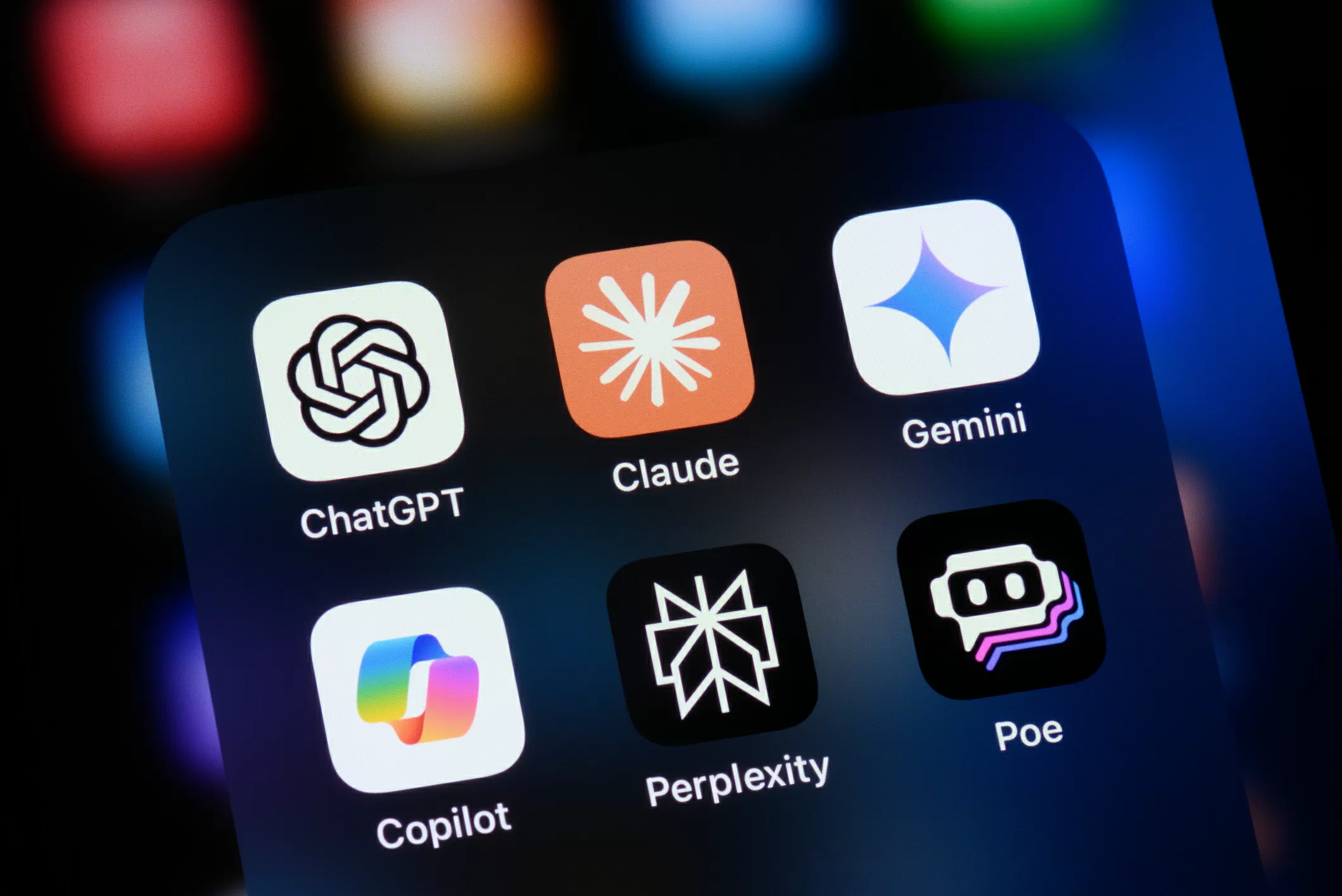
More than 30 OpenAI and Google DeepMind employees have joined forces to support Anthropic’s lawsuit against the Defense Department. This comes after the agency labeled the AI firm as a supply chain risk, according to court filings.
The move by these employees highlights the growing concern over the government’s approach to regulating AI technology. It also showcases the solidarity within the AI community in standing up for what they believe is right.
Anthropic, a startup founded by former OpenAI researchers, filed a lawsuit against the Defense Department in April, challenging the agency’s decision to label the company as a supply chain risk. The company argued that the decision was based on “unsubstantiated and unfounded” claims and that it would harm their reputation and business.
The Defense Department’s decision was made under the Defense Federal Acquisition Regulation Supplement (DFARS), which requires contractors to implement cybersecurity measures to protect sensitive government information. The agency had listed Anthropic as a “covered contractor” under this regulation, which would have required the company to comply with strict cybersecurity requirements.
However, Anthropic’s lawsuit argues that the company does not have access to any sensitive government information and therefore should not be labeled as a supply chain risk. The company also claims that the decision was made without proper due process and without giving them a chance to respond.
The support from OpenAI and Google DeepMind employees further strengthens Anthropic’s case. In a statement, the employees expressed their concern over the Defense Department’s decision and its potential impact on the AI industry.
“We believe that the Defense Department’s decision to label Anthropic as a supply chain risk is not only unjustified but also sets a dangerous precedent for the entire AI industry,” the statement read. “It could discourage innovation and collaboration in the field of AI, which is crucial for its advancement and potential benefits to society.”
The employees also highlighted Anthropic’s commitment to ethical and responsible AI development, stating that the company’s values align with their own. They believe that the Defense Department’s decision undermines the efforts of companies like Anthropic to promote ethical and responsible AI practices.
The support from these employees is a testament to the growing concern within the AI community over the government’s approach to regulating AI technology. Many fear that the government’s actions could stifle innovation and hinder the potential benefits of AI.
The case has also sparked a larger debate on the role of government in regulating AI. While some argue that strict regulations are necessary to prevent potential harm from AI, others believe that it could hinder progress and innovation in the field.
Anthropic’s lawsuit has the potential to set a precedent for how the government approaches AI regulation in the future. It could also lead to a more collaborative and transparent approach between the government and the AI industry.
In conclusion, the support from OpenAI and Google DeepMind employees for Anthropic’s lawsuit against the Defense Department is a significant development in the ongoing debate over AI regulation. It highlights the need for a balanced and collaborative approach between the government and the AI industry to ensure responsible and ethical development of AI technology. Let us hope that this case leads to a positive outcome and sets a precedent for future collaborations between the government and the AI industry.
