
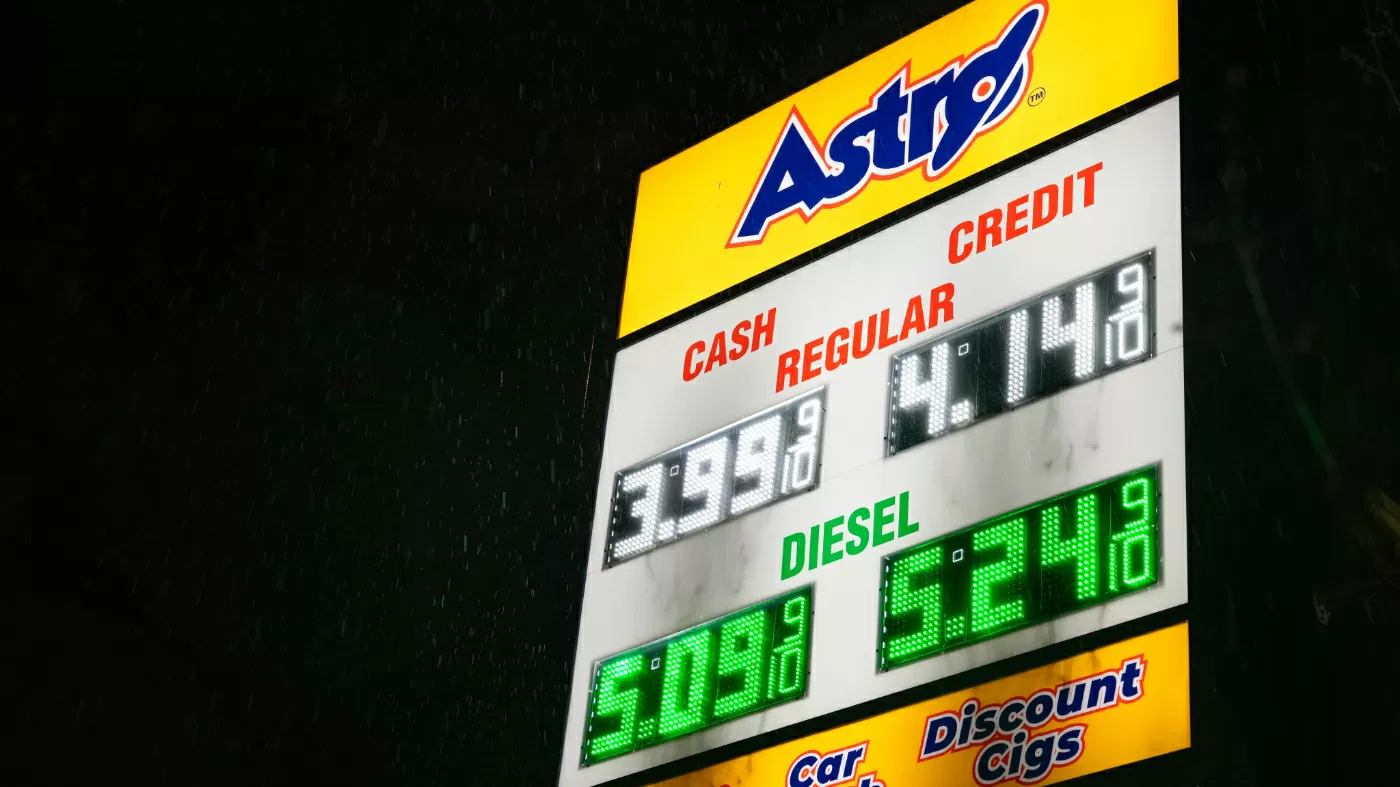
The recent rise in diesel prices has become a cause of concern for many Americans as the national average price has exceeded $5 per gallon. This significant increase has been attributed to the ongoing tension in the Middle East, particularly the war in Iran, which has strained oil supplies. According to AAA, this surge in diesel prices is likely to have a ripple effect on the economy, as diesel is not only used to fuel vehicles but also plays a crucial role in shipping goods.
Diesel, just like gasoline, is derived from crude oil. As the demand for oil rises due to the ongoing conflict in Iran, the supply has been unable to keep up, resulting in a sharp increase in prices. This has had a direct impact on the prices of diesel, which is used to power trucks that transport goods across the country. With diesel prices soaring, the cost of trucked goods is also expected to rise, which could have a significant impact on the overall cost of living.
To put things into perspective, just a month ago, the national average price for diesel was around $4.50 per gallon. However, in the wake of escalating tensions in the Middle East, this figure has jumped to over $5 per gallon, causing major concerns for both businesses and consumers alike. This sudden spike in diesel prices has caught many off guard and has left them wondering about the potential consequences.
The trucking industry, which relies heavily on diesel fuel, is one of the sectors that will feel the impact of these soaring prices. As diesel prices continue to rise, transportation costs will also increase, and this could ultimately lead to higher prices for consumer goods. From groceries to clothing, almost all products are transported by trucks, and an increase in diesel prices can have a significant impact on their final cost. This, in turn, can have a direct impact on the pockets of consumers, who will have to bear the brunt of these rising costs.
The rise in diesel prices has also raised concerns for small businesses, especially those that heavily rely on trucking for their operations. For these businesses, the increase in diesel prices can have a significant impact on their bottom line as they may have to pay more for transportation and delivery of goods. This could ultimately lead to higher prices for their products, which could make them less competitive in the market.
However, it’s not just businesses and consumers who are affected by the rise in diesel prices. The impact is far-reaching and can also affect the economy as a whole. With the cost of transportation increasing, businesses may have to cut back on their operations, which can lead to a slowdown in the economy. This, in turn, could have a domino effect on other industries, leading to an overall economic slowdown.
The rise in diesel prices is also a cause of concern for the government, which has to ensure that the economy remains stable and that the cost of living does not become unmanageable for its citizens. With the national average price for diesel crossing the $5 mark, the government may have to take necessary measures to stabilize the prices and ensure that the economy remains on track.
In conclusion, the war in Iran has had a direct impact on the prices of diesel, which has exceeded $5 per gallon, according to AAA. This has caused major concerns for businesses, consumers, and the economy as a whole. While the government may have to take necessary steps to stabilize the prices, it’s also up to us, as responsible citizens, to use fuel efficiently and minimize our carbon footprint. Only by working together can we overcome this challenge and ensure a stable and prosperous future.
