
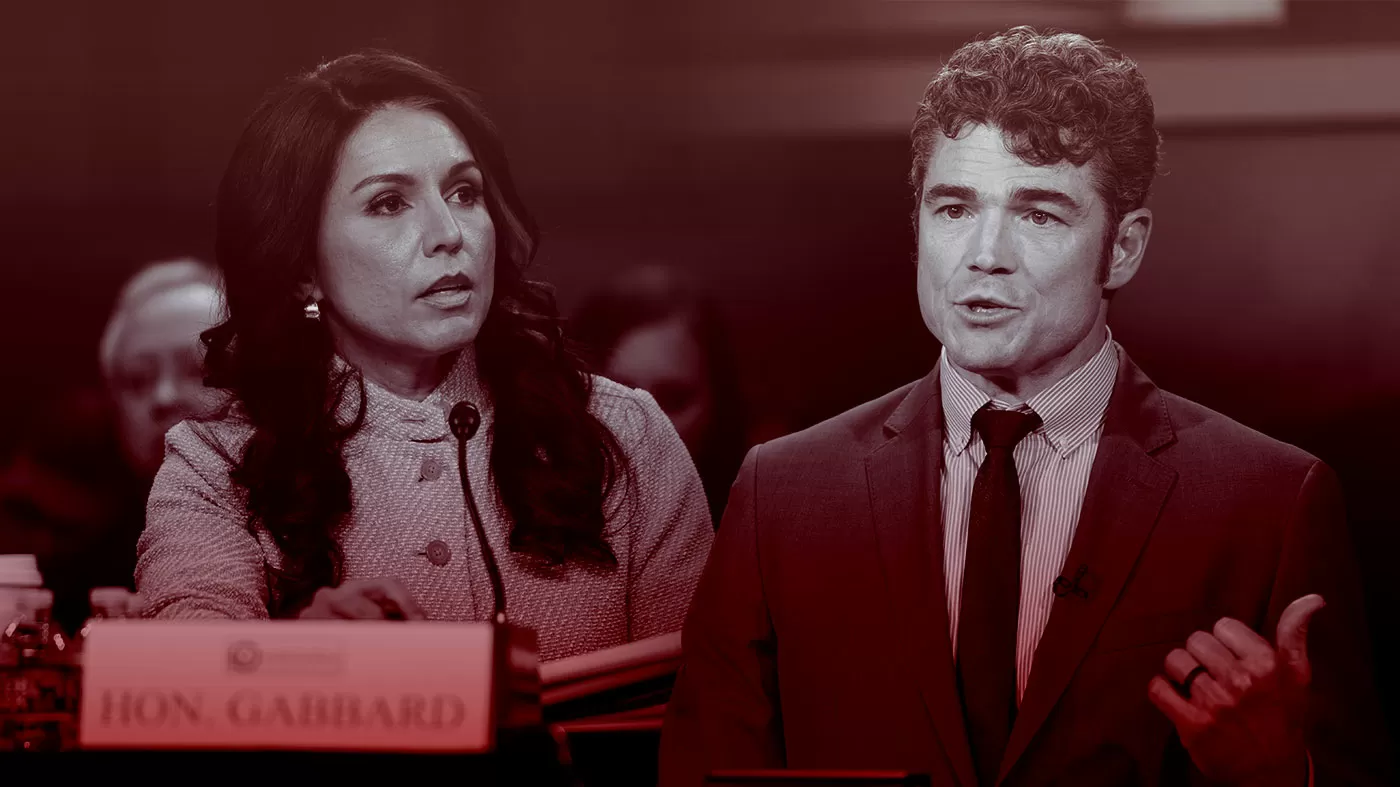
Joe Kent’s sudden resignation from his position as director of the National Counterterrorism Center has sparked controversy and raised questions about the influence of Israel on the Trump administration’s policies towards Iran. In his resignation letter this past week, Kent boldly stated that he believed Iran posed “no imminent threat” and that he could no longer be a part of an administration that he feels has been manipulated into a possible war with Iran by pro-Israel figures.
This statement has put the spotlight on a small but vocal segment of right-wing figures who have long been critical of Israel’s influence on US foreign policy, especially when it comes to the Middle East. These figures have been vocal in their belief that Israel has been pushing for a military confrontation with Iran and that President Trump has been swayed by their agenda.
Kent, a highly respected intelligence veteran, has been praised for his dedication and service to the country. However, his sudden resignation has also caused concern and raised questions about the true motives behind his decision. Some have even speculated that he may have been pressured into resigning due to his stance on Iran and Israel.
But regardless of the reasons behind his resignation, Kent’s statement has reignited the debate on whether Israel holds too much influence over US foreign policy. This is not a new topic, as it has been a controversial issue for decades, with some accusing Israel of using its powerful lobbying groups in Washington to manipulate US policies in their favor.
However, it is important to note that this sentiment is not shared by all right-wing figures. In fact, many pro-Israel conservatives have spoken out against Kent’s resignation and have defended the US-Israel relationship. They argue that Israel is a key ally in the Middle East and that any actions taken against Iran are for the greater good of both countries.
It is also worth mentioning that the Trump administration has been consistently tough on Iran, with President Trump himself being an outspoken critic of the country. The administration has imposed harsh sanctions on Iran and has withdrawn from the nuclear deal, which was a major foreign policy achievement of the Obama administration.
So, is Israel really pulling the strings in the Trump administration’s policies towards Iran? The answer is not so black and white. While Israel certainly has a strong influence in Washington, it is also clear that the Trump administration has its own agenda when it comes to Iran.
However, the fact remains that Kent’s resignation has brought attention to the issue of Israel’s influence on US foreign policy and has sparked a healthy debate. It is important for all sides to listen to each other’s perspectives and opinions without jumping to conclusions or making unfounded accusations.
In the end, what is most important is that the United States continues to make decisions that are in the best interest of its own national security and the safety of its citizens. It is a complicated and delicate issue, and the US-Israel relationship is one that should be handled with care and sensitivity.
In conclusion, Joe Kent’s resignation has opened up a new chapter in the ongoing debate about Israel’s influence on US foreign policy towards Iran. While there may be some truth to the claims of Israel’s powerful influence, it is important to remember that the Trump administration has its own agenda and that decisions are not made solely based on outside pressures. Let us hope that this incident serves as a catalyst for healthy discussions and a reassessment of the US-Israel relationship, rather than being a cause for further division and animosity.
