
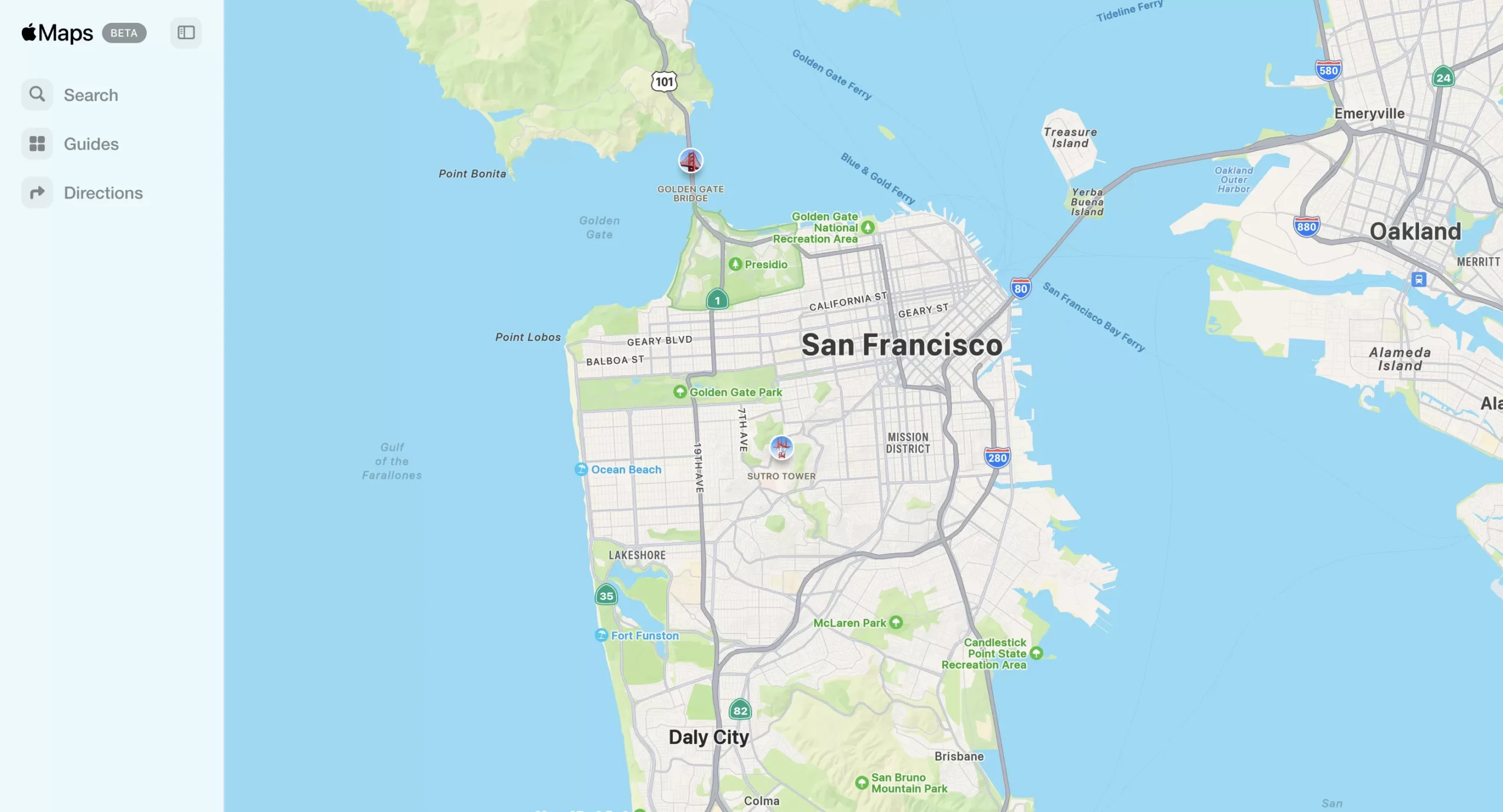
Apple Maps, the popular mapping and navigation app developed by Apple, may soon be introducing a new feature that could change the way we search for businesses and services. According to recent reports, the app may start serving ads in its top results when users search for terms like “restaurants.” This move by Apple has the potential to revolutionize the advertising industry and provide businesses with a unique opportunity to reach potential customers.
With over a billion active iPhone users, Apple Maps is one of the most widely used mapping apps in the world. It provides users with accurate navigation, real-time traffic updates, and detailed information about businesses and services. However, unlike its competitors like Google Maps, Apple Maps has not yet integrated advertisements into its platform. But that could soon change.
The idea behind this new feature is simple – when a user searches for a term like “restaurants” on Apple Maps, the top results will include sponsored listings from businesses that have paid to be featured. This means that when a user is looking for a place to eat, they will not only see the traditional results based on their location but also sponsored options that may be relevant to their search. This could be a game-changer for businesses, especially small and local ones, as it will give them a chance to be more visible and attract potential customers.
The introduction of ads in Apple Maps could also benefit users in many ways. Firstly, it will provide them with more options and a wider range of businesses to choose from. This will be especially useful when traveling to a new place or exploring a new neighborhood. With sponsored listings, users will have access to businesses that they may not have known about otherwise. Secondly, it will also make the search process more efficient as users will be able to find what they are looking for quickly and easily.
Moreover, this new feature will also be beneficial for Apple as it will open up a new stream of revenue for the company. With the growing popularity of mobile advertising, it only makes sense for Apple to tap into this market and capitalize on its massive user base. This move could also help Apple to compete with its rival, Google, which has been dominating the mobile advertising space for years.
However, some may argue that the introduction of ads in Apple Maps could compromise the user experience. After all, no one likes to be bombarded with ads while trying to find their way to a restaurant. But Apple has assured that the ads will be displayed in a non-intrusive manner and will not affect the overall user experience. In fact, the company has stated that the ads will be relevant to the user’s search and will not be too frequent.
Another concern that may arise is the accuracy of the sponsored listings. With traditional search results, users can rely on the app’s algorithms to provide them with the most relevant and accurate information. But with ads, there is always a possibility of businesses manipulating their listings to appear on top. However, Apple has stated that it will closely monitor the sponsored listings to ensure their accuracy and relevance.
Overall, the introduction of ads in Apple Maps has the potential to benefit all parties involved – the users, the businesses, and Apple. It will provide users with more options and a better search experience, while also giving businesses a chance to reach a wider audience. As for Apple, this move could help the company to diversify its revenue streams and stay competitive in the ever-evolving world of technology.
In conclusion, the news of Apple Maps introducing ads in its top results is an exciting development that could change the way we search for businesses and services. With its massive user base and advanced technology, Apple has the potential to make this feature a success and set a new trend in the advertising industry. As users, we can look forward to a more efficient and convenient search experience, and as businesses, we can take advantage of this new opportunity to reach potential customers. So let’s embrace this change and see where it takes us.
