
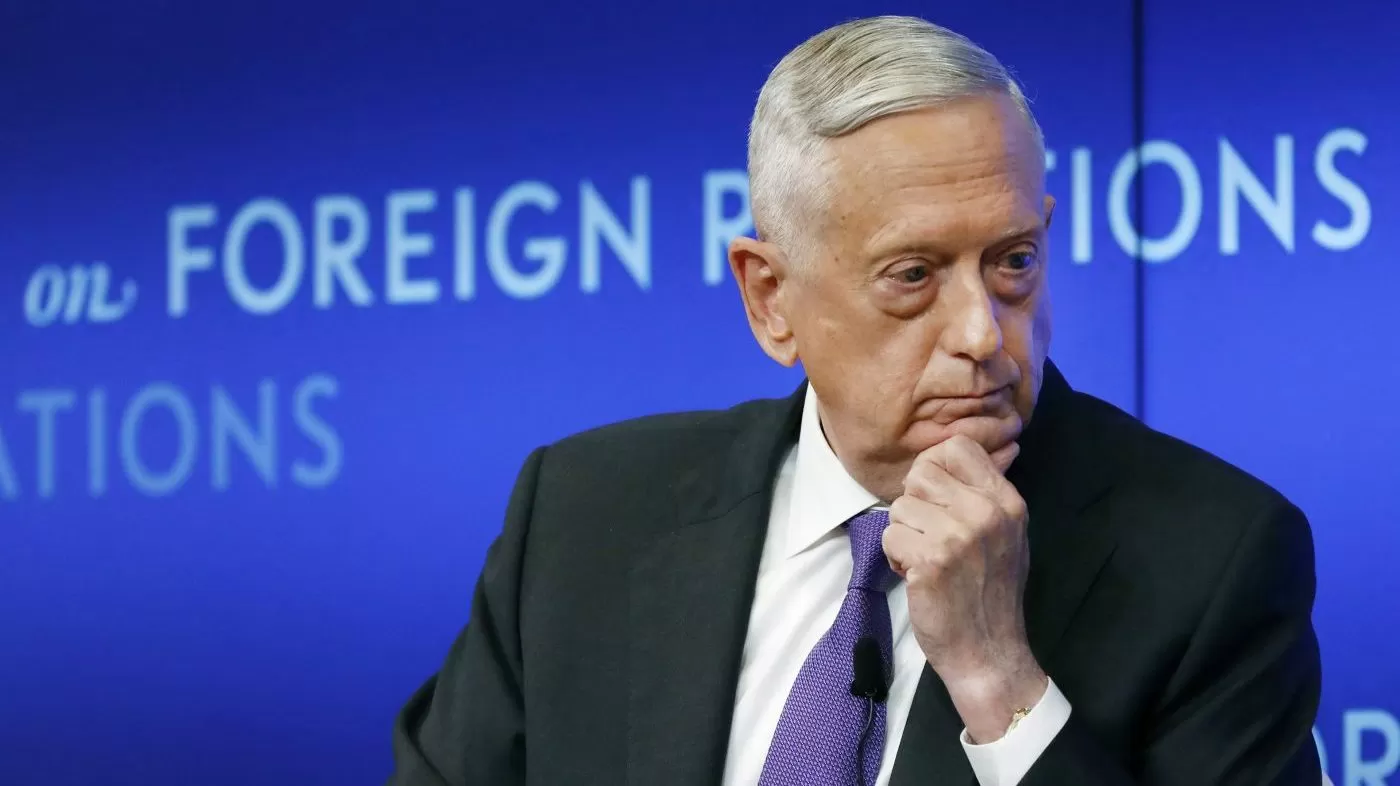
Former Defense Secretary Jim Mattis recently made a bold statement regarding the ongoing war in the Middle East. He warned that if the United States were to end the war, it would essentially hand over control of the Strait of Hormuz to Iran. This narrow waterway, which connects the Persian Gulf to the rest of the world, is responsible for the transportation of 20 percent of the world’s oil. Mattis believes that declaring victory in the war would give Iran the opportunity to claim ownership of the strait and potentially impose a tax on the oil passing through it.
This statement by Mattis has sparked a lot of discussion and debate about the current situation in the Middle East and the potential consequences of ending the war. Many are questioning whether the US should continue to be involved in this conflict or if it is time to withdraw and focus on other global issues. However, one thing is clear – the control of the Strait of Hormuz is a crucial factor in this decision.
The Strait of Hormuz has always been a strategic location for global trade and commerce. It is the main route for the transportation of oil from the Middle East to the rest of the world. Any disruption or control over this waterway can have a significant impact on the global economy. This is why the US has been actively involved in maintaining the security and stability of the region.
Iran, on the other hand, has always seen the strait as a vital asset and a potential source of power. The country has repeatedly threatened to close the strait in response to any hostile actions towards them. In fact, in recent years, Iran has increased its presence in the region and has conducted military exercises in the strait, causing concern for the US and its allies.
Mattis’s statement sheds light on the potential consequences of ending the war in the Middle East. If the US were to withdraw and leave the region, it would essentially give Iran the opportunity to take control of the strait. This would not only give them a significant advantage in the region but also provide them with a source of revenue through taxing the oil passing through the strait. This could potentially give Iran more power and influence in the global market, which could have serious implications for the US and its allies.
It is essential to understand that the US’s involvement in the Middle East is not just about the war but also about maintaining stability in the region. The US has been working towards preventing any one country from gaining too much control and power in the region, which could lead to instability and conflict. By maintaining a presence in the region, the US has been able to keep a check on Iran’s activities and prevent them from gaining control of the strait.
Moreover, the US’s involvement in the Middle East has also been crucial in countering terrorist organizations such as ISIS and Al-Qaeda. These extremist groups have been a threat not only to the region but also to the rest of the world. The US has been working closely with its allies to combat these groups and prevent them from gaining a foothold in the region. Withdrawing from the region would leave a significant gap in the fight against terrorism and potentially give these groups the opportunity to regroup and strengthen.
In conclusion, Former Defense Secretary Jim Mattis’s statement about the US ending the war in the Middle East and ceding control of the Strait of Hormuz to Iran is a wake-up call for the global community. It highlights the importance of the US’s presence in the region and the consequences of withdrawing. The US must continue to play a crucial role in maintaining stability and security in the Middle East, not just for its own interests but also for the sake of global peace and prosperity. The control of the Strait of Hormuz is a crucial factor in this decision, and the US must not allow Iran to gain control of it. The world is watching, and the US must make the right decision for the sake of the region and the world.
