
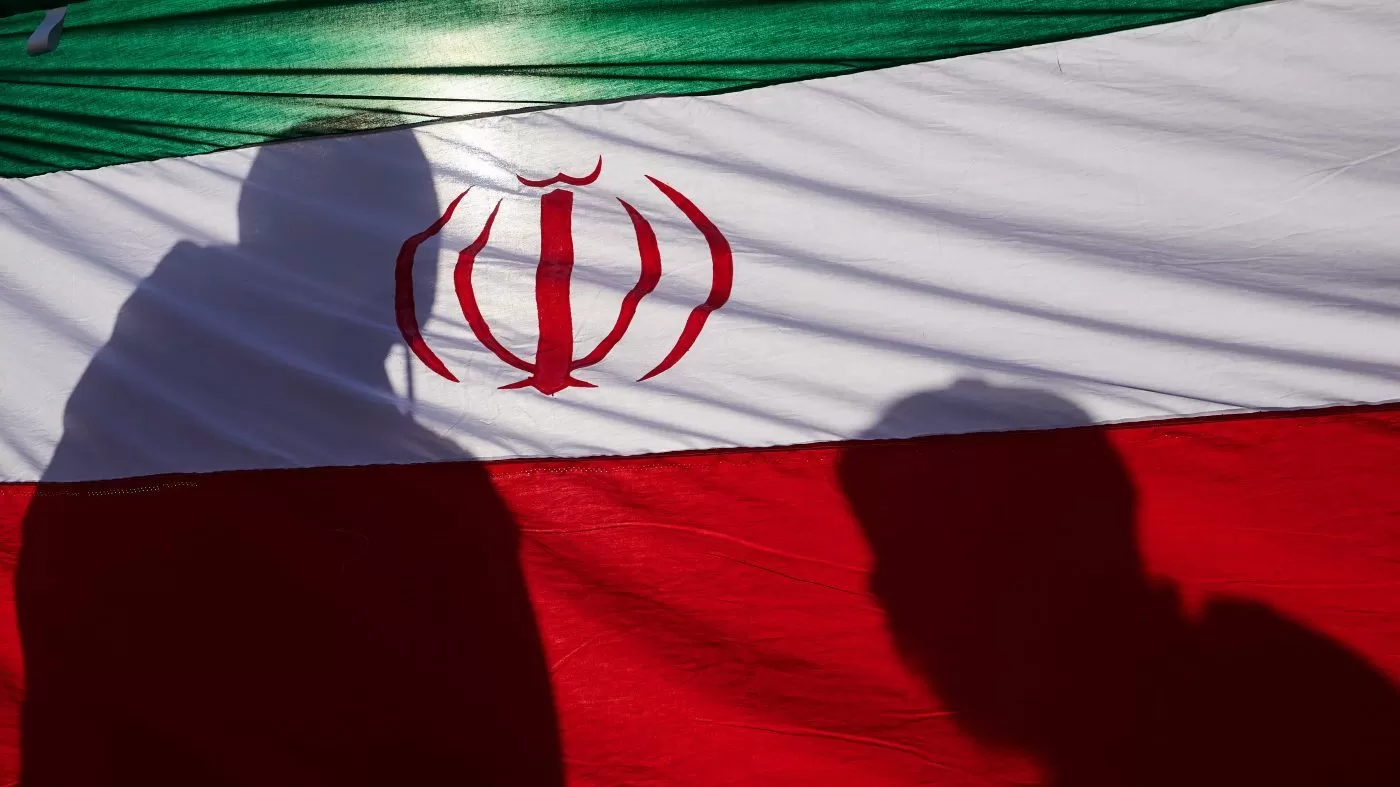
Iran has once again stirred up tensions in the Middle East, this time by threatening the safety of vessels passing through the Bab el-Mandeb strait. This key Red Sea strait, located between Yemen and Djibouti, is approximately 1,200 miles away from the Strait of Hormuz and is now facing potential military threats from Iran’s proxies.
On Wednesday, Iran’s Revolutionary Guard Corps (IRGC) announced that they are closely monitoring the Bab el-Mandeb strait and will take necessary measures to protect their interests in the region. This statement has raised concerns among international shipping companies and has sparked fears of a potential conflict in the already volatile region.
The Bab el-Mandeb strait is a crucial waterway for global trade, with an estimated 4.8 million barrels of oil passing through it every day. Any disruption in its operations could have serious consequences for the global economy. This threat from Iran comes at a time when tensions between the US and Iran are already at an all-time high.
The closure of the Strait of Hormuz by Iran earlier this year had caused a major disruption in the global oil market. The US, along with its allies, had condemned this action and had warned Iran against any further attempts to disrupt the flow of oil in the region. However, it seems that Iran is once again trying to flex its muscles and assert its dominance in the Middle East.
The Bab el-Mandeb strait is a strategic chokepoint for both Iran and its arch-rival Saudi Arabia. It is also a vital route for Iran’s oil exports, which have been severely affected by US sanctions. By threatening the safety of vessels passing through this strait, Iran is trying to send a message to the US and its allies that it will not back down in the face of pressure.
Iran’s proxies, such as the Houthi rebels in Yemen, have already carried out attacks on Saudi oil tankers in the Red Sea. This has raised concerns about the safety of vessels passing through the Bab el-Mandeb strait. The IRGC’s statement has only added to these concerns and has put the international community on high alert.
The US has responded to this threat by deploying additional military assets in the region. The US Navy’s Fifth Fleet, which is responsible for ensuring the safety of shipping in the Gulf region, has also increased its presence in the Bab el-Mandeb strait. The US has made it clear that any attempt by Iran to disrupt the flow of oil through this strait will not be tolerated.
The international community has also condemned Iran’s threat and has called for a peaceful resolution to the ongoing tensions in the region. The United Nations has urged all parties to exercise restraint and to refrain from any actions that could escalate the situation further.
In the midst of these tensions, it is important to remember the potential consequences of any conflict in the region. Any disruption in the flow of oil could have a devastating impact on the global economy. It is in the best interest of all parties involved to find a peaceful solution to the ongoing tensions.
Iran’s threat to the safety of vessels passing through the Bab el-Mandeb strait is a cause for concern, but it should not be taken lightly. The international community must work together to ensure the safety of this crucial waterway and to prevent any further escalation of tensions in the region.
In conclusion, it is imperative that all parties involved in the ongoing tensions in the Middle East exercise restraint and work towards finding a peaceful solution. The safety of the Bab el-Mandeb strait must be ensured, and any threats to its operations must be taken seriously. It is only through cooperation and dialogue that we can hope to achieve stability in the region and avoid any potential conflicts.
