
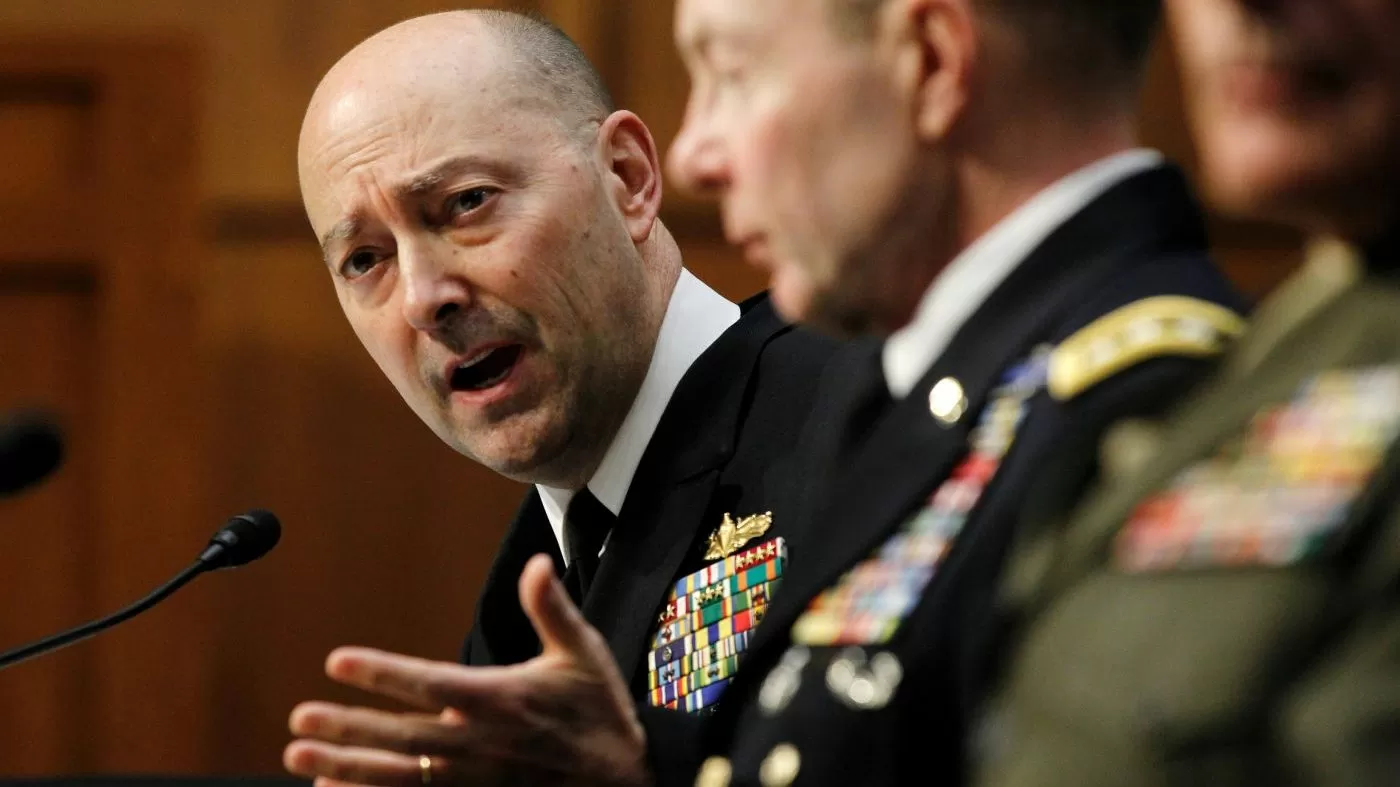
Former NATO commander James Stavridis has shed light on the recent ceasefire negotiations with Iran, stating that the country has yet to accept the proposed ceasefire because they still have “cards” to play in the ongoing war. In an interview on CNN’s “Situation Room,” Stavridis delved into the reasoning behind Iran’s reluctance to come to an agreement and the potential consequences of their decisions.
The call for a ceasefire has been making headlines in recent weeks, with the United States and other Western powers urging an end to the conflict between Iran and its neighboring countries. However, despite the growing international pressure, Iran has yet to agree to a ceasefire, with Stavridis stating that the country is holding on to its “high-value cards.”
According to Stavridis, one of Iran’s main concerns is the security of the Strait of Hormuz. The strategic waterway, through which about 20% of the world’s oil supply passes, has been a critical point of contention for Iran in the past. The country has threatened to close the strait in response to escalating tensions, which would have disastrous consequences for global oil supplies and trade.
Stavridis also highlighted another “card” that Iran is unwilling to give up – their almost 1,000 pounds of enriched uranium. This stockpile is a significant bargaining tool for the country, and they are not willing to let it go easily. The enriched uranium could potentially be used to develop nuclear weapons, which could pose a severe threat to the region and the world if not managed properly.
Despite the pressure to accept the ceasefire and come to the negotiation table, Iran’s leaders are not showing any signs of backing down. Stavridis believes that this is because they feel they are in a position of strength, with their “high-value cards” giving them leverage in the ongoing conflict.
On the issue of why the ceasefire is essential, Stavridis emphasized the humanitarian aspect. The prolonged war has taken a toll on the people of Iran and its neighboring countries, with millions forced to flee their homes and countless lives lost. A ceasefire would provide much-needed relief and aid to the affected civilians, allowing them to rebuild their lives.
Moreover, a ceasefire would also be beneficial for global stability. The ongoing conflict has caused oil prices to skyrocket and has raised fears of a potential larger-scale war. By accepting the ceasefire, Iran would be showing its commitment to peace and reducing tensions in the region.
While Stavridis acknowledges the challenges in reaching a ceasefire agreement with Iran, he remains optimistic that a resolution can be found. He believes that the key is to find a way to allow Iran to save face while also addressing the concerns of the international community. Stavridis also stressed the importance of working together with other world powers, including Russia and China, to reach a sustainable solution.
In conclusion, James Stavridis offers valuable insight into the current state of the ceasefire negotiations with Iran. His analysis sheds light on the reasons behind Iran’s hesitation and the potential consequences of their decisions. Stavridis also highlights the urgency of reaching a resolution to the ongoing conflict for the sake of the people of Iran and the stability of the region. With continued efforts and cooperation, a sustainable solution can be achieved, bringing an end to the suffering of civilians and paving the way for a more peaceful future.
