
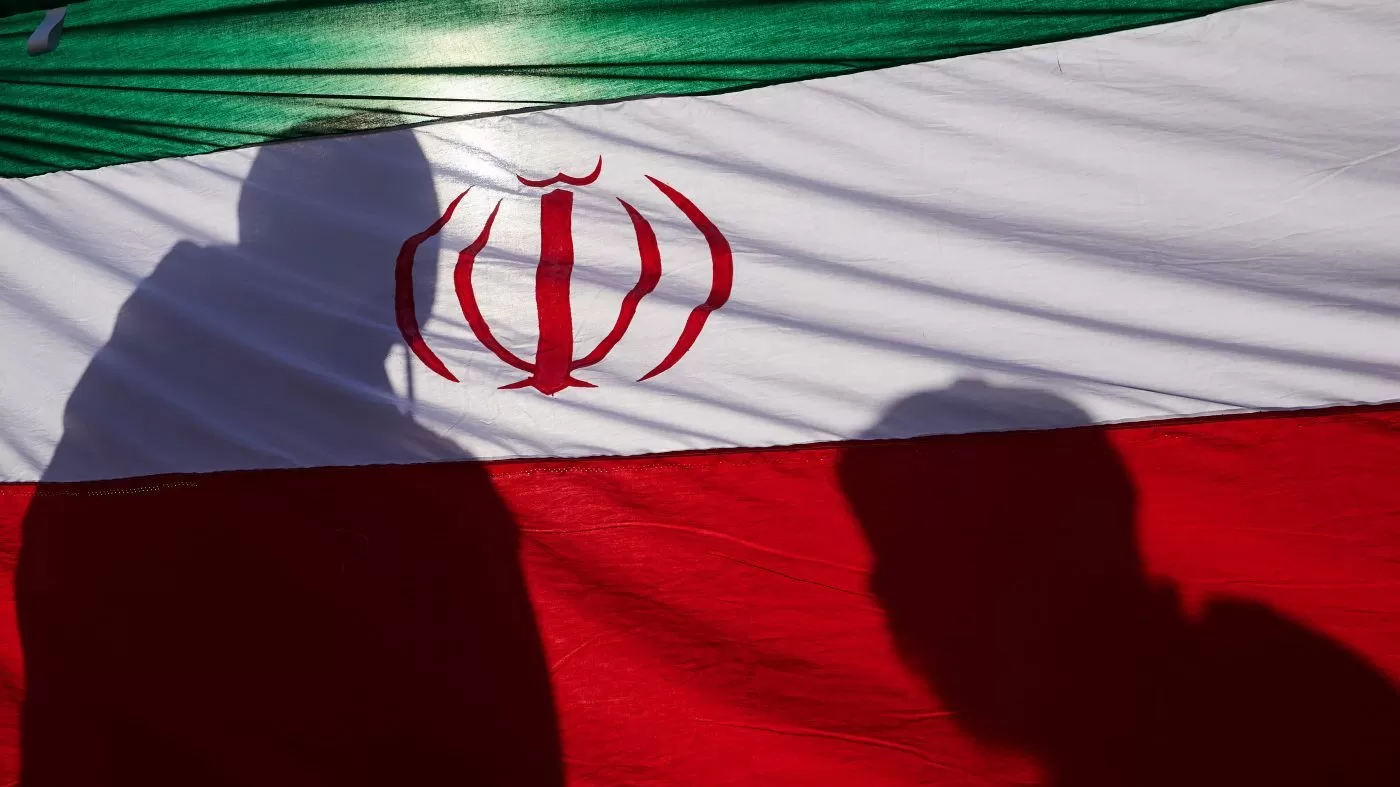
Iran has once again rejected a peace proposal from the United States, citing it as “unrealistic.” The proposal, which was presented on Monday, aimed to ease tensions between the two countries and find a resolution to the ongoing conflict in the Strait of Hormuz. However, Iran’s refusal to accept the proposal has further escalated the already tense situation.
The rejection of the peace proposal comes as the deadline set by President Trump for the Strait of Hormuz to be reopened approaches. In a recent statement, President Trump warned Iran that if the strait is not reopened, the country would face “all Hell,” with possible military strikes on its power plants. This ultimatum has only added to the growing tensions between the two nations.
The draft ceasefire proposal, which was received by both the U.S. and Iran, aimed to establish a temporary truce in the Strait of Hormuz and allow for negotiations to take place. However, Iran’s rejection of the proposal has once again highlighted the deep-rooted mistrust and animosity between the two countries.
The Strait of Hormuz, a narrow waterway that connects the Persian Gulf to the Gulf of Oman, is a vital shipping route for oil tankers and a strategic point for global trade. In recent months, tensions in the region have been on the rise, with attacks on oil tankers and the downing of a U.S. drone by Iran. These incidents have only added to the already strained relationship between the two nations.
The rejection of the peace proposal by Iran is a setback for the U.S. and its efforts to ease tensions in the region. The U.S. has been actively seeking a diplomatic solution to the conflict, but Iran’s refusal to engage in talks has made it difficult to find a resolution.
The U.S. has also been trying to form a coalition of countries to protect the shipping lanes in the Strait of Hormuz, but many countries have been hesitant to join due to the fear of being dragged into a potential conflict with Iran. This further highlights the need for a peaceful resolution to the ongoing tensions.
Iran’s rejection of the peace proposal is a missed opportunity for both countries to find a way to de-escalate the situation and avoid a potential military confrontation. The rejection also raises concerns about the future of the region and the impact it could have on global trade and stability.
In the midst of this tense situation, it is important for both the U.S. and Iran to prioritize diplomacy and engage in meaningful dialogue to find a peaceful resolution. The rejection of the peace proposal should not be seen as an end to the efforts for peace, but rather as a call for both countries to continue working towards a solution.
It is crucial for both the U.S. and Iran to understand the consequences of their actions and the impact it could have on the region and the world. The rejection of the peace proposal only adds to the already volatile situation and could potentially have disastrous consequences.
In conclusion, the rejection of the peace proposal by Iran is a setback for the U.S. and its efforts to ease tensions in the region. It is important for both countries to prioritize diplomacy and engage in meaningful dialogue to find a peaceful resolution to the ongoing conflict. The world is watching and hoping for a positive outcome, and it is up to both the U.S. and Iran to take the necessary steps towards peace and stability in the region.
