
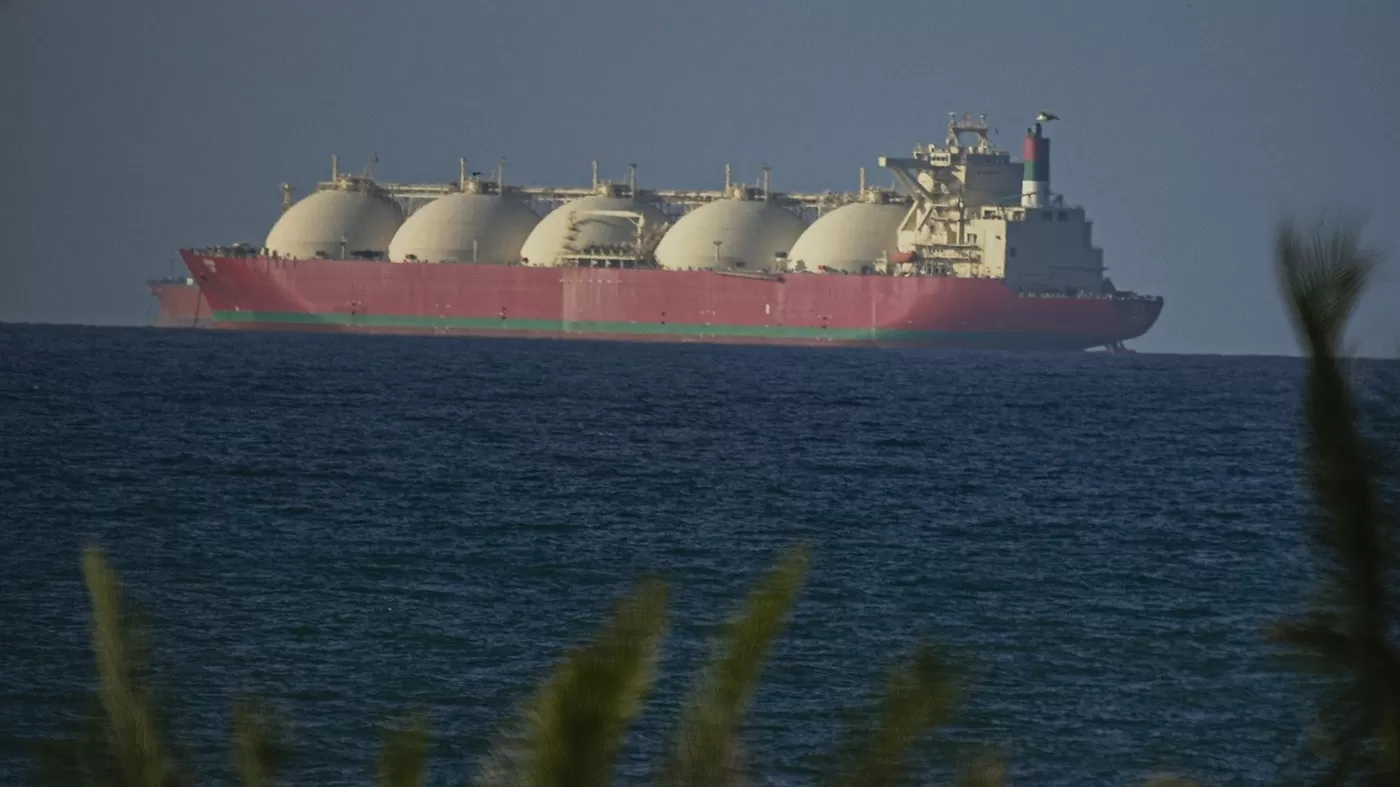
A legal expert and former JAG officer has stated that Iran’s recent levy on oil-carrying ships in the Strait of Hormuz is a clear violation of international law. The statement comes on the heels of Tehran’s decision to impose a new tax rate of digital currency equivalent to $1 per barrel of oil, effective during the ongoing two-week ceasefire with the United States, which commenced on Wednesday.
President Trump also weighed in on the matter, expressing his disapproval of Iran’s move in a press conference on Wednesday. He asserted that the tax was not only illegal but also unacceptable, and raised concerns about the impact it may have on the already volatile situation in the region.
The Strait of Hormuz, which connects the Persian Gulf with the Gulf of Oman, is a crucial oil transit chokepoint, responsible for facilitating the transport of around 20% of the world’s oil supply. Any disruption or interference in this passage could have severe consequences on the global economy.
Iran’s decision to impose this tax is believed to be a retaliation measure following the U.S. sanctions on its oil exports. The sanctions were imposed as part of the Trump administration’s efforts to curb Tehran’s nuclear ambitions and exert pressure on its political system. However, the U.S. has announced a temporary ceasefire to allow for negotiations and discussions on resolving the ongoing tensions between the two nations.
But this recent move by Iran has been met with criticism and condemnation by legal experts and analysts. According to the former JAG officer, the imposition of such a tax is a violation of the freedom of navigation and transit rights guaranteed by international law. It also contradicts the norms and principles of the United Nations Convention on the Law of the Sea.
Moreover, the tax rate of $1 per barrel of oil is viewed by many as unreasonable and excessive. This could potentially damage Iran’s international reputation and raise questions about its commitment to international law and order. It is also seen as a hindrance to free trade and commerce, which is essential for the stability and prosperity of the global economy.
In light of these concerns, it is essential for Iran to reconsider its decision and refrain from taking any further actions that may escalate the current tensions. The ongoing ceasefire provides a window of opportunity for dialogue and negotiation, and it would be in the best interest of all parties involved to work towards a peaceful resolution of the issue.
The former JAG officer further emphasized that Iran’s actions could also have severe legal repercussions, as it undermines the sovereignty and rights of other nations to navigate through the Strait of Hormuz without interference. The U.S. Navy has already increased its presence in the region to safeguard the free flow of maritime trade and protect their vessels from any threats.
In conclusion, the recent imposition of a tax on oil-carrying ships by Iran is a violation of international law and a cause for concern in the global community. It is crucial for all parties to respect the principles of free navigation and trade, and work towards finding a diplomatic solution to the ongoing tensions in the region. The temporary ceasefire provides an opportunity for dialogue, and it is hoped that both Iran and the U.S. can come to a peaceful resolution and avoid any further escalations.
