
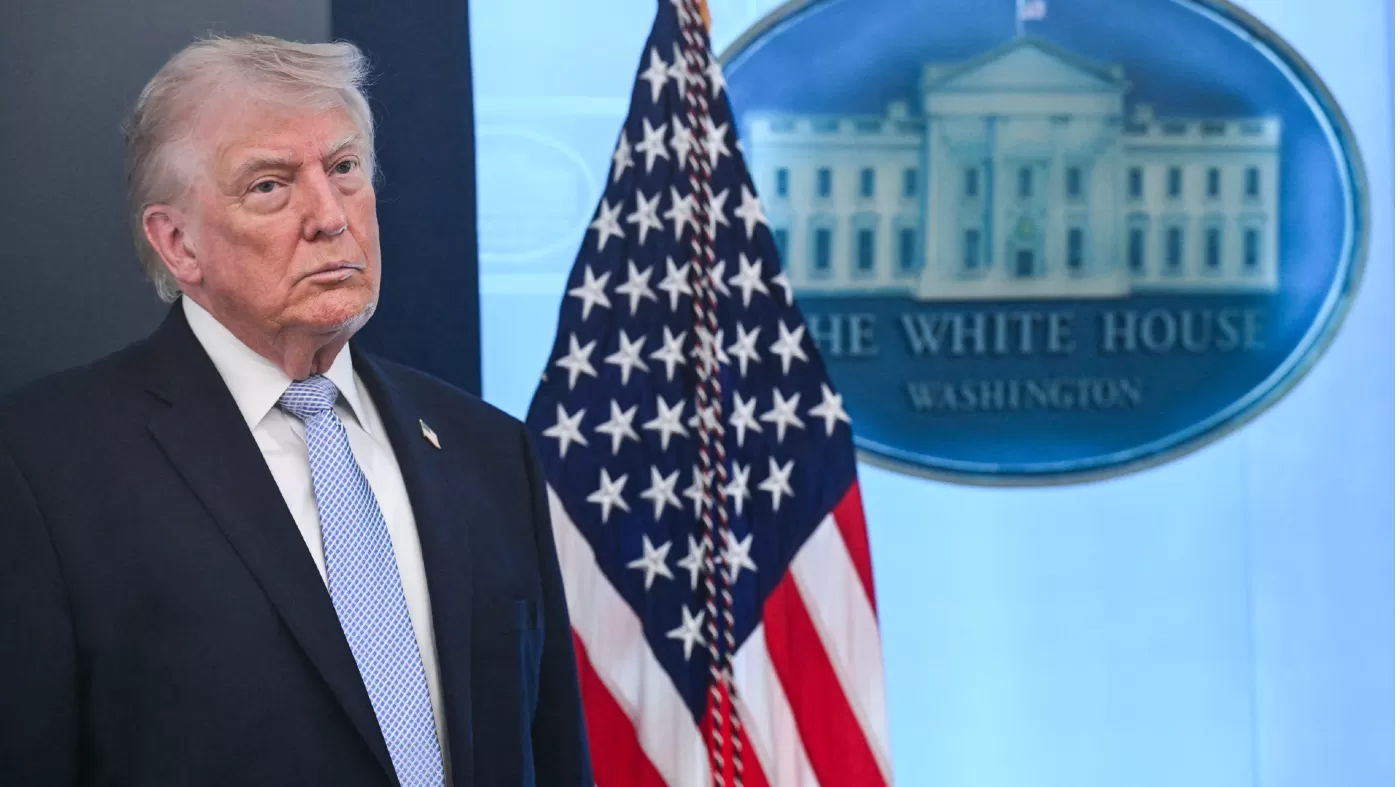
After weeks of intense negotiations, Vice President Vance has returned from his trip to Pakistan without a deal to end the ongoing hostilities with Iran. This has left President Trump with a difficult decision as the 10-day ceasefire between the two nations is set to expire soon. In a press conference held in Islamabad on Sunday, Vice President Vance stated that talks with Iranian officials were “substantive,” but failed to yield a concrete agreement.
The visit of Vice President Vance to Pakistan was seen as a crucial opportunity to end the escalating tensions between the US and Iran. However, with no significant progress made, the question now is what will be President Trump’s next move? As we enter the final days of the ceasefire, the world waits with bated breath to see how the situation will unfold.
The US and Iran have been at loggerheads for months now, with tensions rising following the assassination of General Qasem Soleimani by the US military. This event sparked a series of retaliatory attacks, leading to a dangerous escalation in the region. With both sides unwilling to back down, it seemed like a full-blown war was inevitable.
Amidst this tense atmosphere, Vice President Vance’s visit to Pakistan was seen as a glimmer of hope. Pakistan has long been a key ally of the US in the Middle East and was seen as a potential mediator in this conflict. However, despite the efforts of Vice President Vance and the Pakistani government, a deal could not be reached.
In his statement to the press, Vice President Vance remained optimistic, stating that the talks were “substantive” and that both sides had a better understanding of each other’s positions. He also emphasized the need for continued dialogue in resolving the issues between the US and Iran.
With only 10 days remaining in the ceasefire, President Trump’s next steps are crucial in determining the future of US-Iran relations. As of now, there are no indications of a potential meeting between the leaders of the two nations. This leaves the possibility of further escalation on the table, which could have catastrophic consequences for the entire region.
The world is now closely watching the actions of President Trump. Will he decide to extend the ceasefire and continue negotiations with Iran? Or will he take a hardline approach and push for more aggressive measures? The answers to these questions will have a significant impact not only on the US and Iran but also on the stability of the Middle East.
One thing is clear though, the need for a peaceful resolution to this conflict is more pressing than ever. The ongoing tensions have already caused immense harm, leading to loss of lives and economic instability. It is high time for both sides to put aside their differences and work towards finding a lasting solution.
In the midst of all this uncertainty, one thing is certain – the role of Pakistan in facilitating peace in the region cannot be overlooked. The efforts of the Pakistani government and Vice President Vance in bringing the US and Iran to the negotiating table are commendable. Pakistan has always been a staunch supporter of peace and has played a crucial role in mediating conflicts in the region.
As the days go by, the world looks towards President Trump to make a wise decision that will not only bring an end to the current tensions but also pave the way for a peaceful future. It is time for both the US and Iran to put aside their differences and work towards building a more stable and secure world.
In conclusion, while Vice President Vance may have returned from Pakistan without a deal in hand, his visit marks an important step in the right direction. The onus now falls on President Trump to make a decision that will have far-reaching consequences. Let us hope that he chooses the path of peace and resolves the issues between the US and Iran, bringing an end to this prolonged conflict.
