
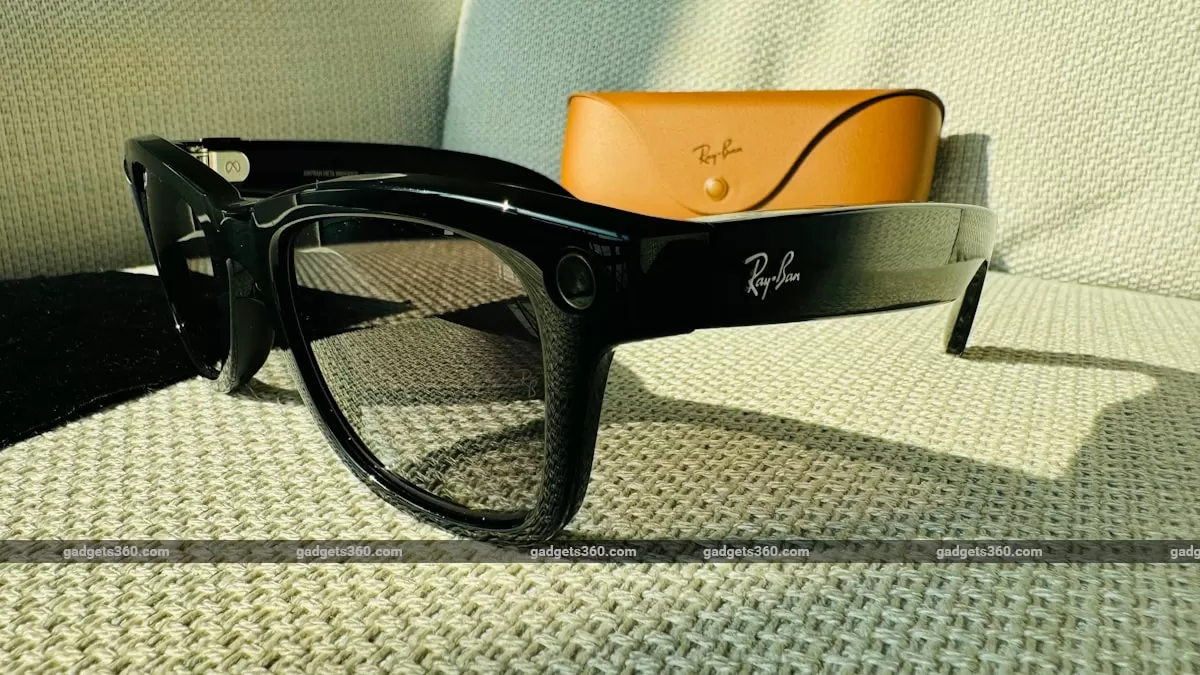
Meta, formerly known as Facebook, has been making headlines with its latest development of smart glasses. These glasses are said to have an artificial intelligence (AI)-powered facial recognition technology, which has sparked concerns among privacy advocates. In response, an open letter signed by 77 organisations working in the privacy and civil liberties space has been published, urging the Menlo Park-based tech giant to stop the development of such a feature.
The idea of smart glasses with facial recognition technology may sound like something out of a sci-fi movie, but it is becoming a reality. Meta’s smart glasses, which are set to be released in the near future, are said to have the capability of recognizing and identifying individuals through their facial features. This means that with just a glance, the glasses will be able to gather information about a person, including their name, age, and even their interests.
While this may seem like a convenient and futuristic feature, it has raised concerns among privacy advocates. The thought of being constantly monitored and identified by a pair of glasses is unsettling for many. This is why 77 organisations have come together to voice their concerns and urge Meta to reconsider the development of this technology.
In the open letter, the organisations highlight the potential dangers of such a feature. They argue that it could lead to an increase in surveillance and a violation of people’s right to privacy. It could also have a negative impact on marginalized communities, who are already disproportionately affected by surveillance technologies. The letter also raises concerns about the accuracy and bias of facial recognition technology, which has been known to have higher error rates for people of color and women.
The signatories of the letter also point out that the use of facial recognition technology is not just a privacy issue, but also a civil rights issue. They argue that this technology has the potential to be used for discriminatory purposes, such as targeting certain groups of people or perpetuating existing biases. This is a valid concern, as we have seen in the past how technology can be used to discriminate and harm certain communities.
In response to the open letter, Meta has stated that they are committed to protecting people’s privacy and will continue to engage with experts and stakeholders to address any concerns. They have also emphasized that the facial recognition feature is not a core part of their smart glasses and will only be used for specific purposes, such as for accessibility and safety.
While Meta’s response is reassuring, it is important for them to take the concerns raised by these organisations seriously. The development of facial recognition technology should not be taken lightly, as it has the potential to greatly impact people’s lives. It is crucial for Meta to thoroughly assess the potential risks and implications of this feature before moving forward with its development.
Moreover, it is commendable that these organisations have come together to voice their concerns and hold tech giants accountable for their actions. This shows the power of collective action and the importance of advocating for privacy and civil liberties in the digital age. It is crucial for companies like Meta to listen to the voices of these organisations and work towards finding a balance between innovation and protecting people’s rights.
In conclusion, while the idea of AI-powered facial recognition technology may seem exciting and convenient, it is important to consider the potential risks and implications it may have. The open letter signed by 77 organisations serves as a reminder that privacy and civil liberties should not be compromised for the sake of technological advancements. It is now up to Meta to carefully consider these concerns and make responsible decisions for the future of their smart glasses.
