
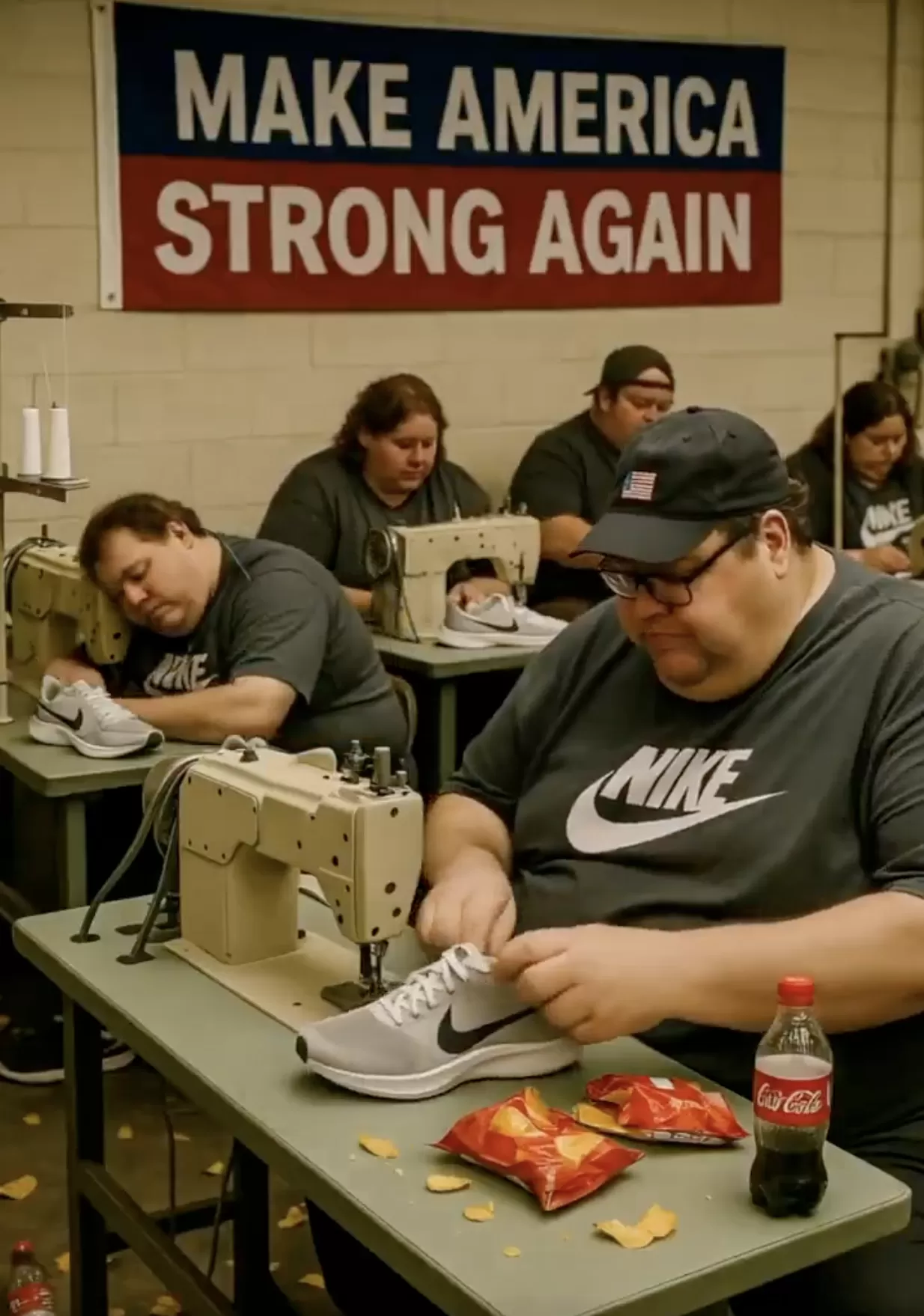
In recent years, there has been a rise in popularity of AI-generated videos that satirize fictitious American factory workers. These videos have gained widespread attention and have been shared and viewed by millions of people around the world. While they may seem like a humorous take on the lives of factory workers, they actually shed light on a more serious economic reality.
The use of AI technology to create these videos has allowed for a more exaggerated and comical representation of factory workers. The characters in these videos are often portrayed as lazy, incompetent, and unmotivated individuals who are just going through the motions of their mundane jobs. However, behind the humor and satire lies a deeper truth about the economic struggles faced by many factory workers in America.
One of the main issues highlighted in these videos is the decline of the manufacturing industry in the United States. With the rise of globalization and outsourcing, many factories have moved their production to other countries where labor is cheaper. This has resulted in a significant loss of jobs for American factory workers, leaving many struggling to find employment and make ends meet.
Furthermore, the use of AI technology in factories has also led to the replacement of human workers with machines. This has not only reduced the number of jobs available but has also resulted in a decrease in wages for those who are still employed. The videos satirize this by showing the workers being replaced by robots or machines, highlighting the fear and uncertainty faced by many in the industry.
The satirical portrayal of factory workers in these videos also touches upon the issue of income inequality. While the owners and CEOs of these factories continue to make huge profits, the workers are barely able to make a living wage. This stark contrast is evident in the videos, where the workers are shown living in rundown neighborhoods and struggling to make ends meet, while the factory owners are portrayed as living lavish lifestyles.
Moreover, these videos also bring attention to the working conditions in factories. Many workers are forced to work long hours in unsafe environments, with little to no benefits. The use of AI technology in factories has also led to an increase in the pace of work, putting immense pressure on workers to meet production targets. These videos highlight the toll this takes on the physical and mental well-being of the workers.
While the videos may be seen as a form of entertainment, they serve as a reflection of the harsh realities faced by many factory workers in America. They bring attention to the economic struggles and injustices faced by this group of individuals, who often go unnoticed and unheard.
The use of AI technology in creating these videos also raises questions about the role of technology in our society. While AI has undoubtedly brought about many advancements and benefits, it has also led to the displacement of jobs and the widening of the income gap. These videos serve as a reminder that we must be mindful of the impact of technology on our economy and society as a whole.
In addition to highlighting the economic realities, these videos also serve as a form of social commentary. They bring attention to the issues of income inequality, job loss, and working conditions, sparking discussions and raising awareness about these important topics. By using humor and satire, they make these issues more approachable and relatable, allowing for a wider audience to engage with them.
In conclusion, the popularity of AI-generated videos satirizing fictitious American factory workers is not just a passing trend, but a reflection of a more serious economic reality. These videos bring attention to the struggles faced by factory workers in America, highlighting the decline of the manufacturing industry, income inequality, and poor working conditions. They serve as a reminder that we must address these issues and work towards creating a more equitable and fair society for all.
