
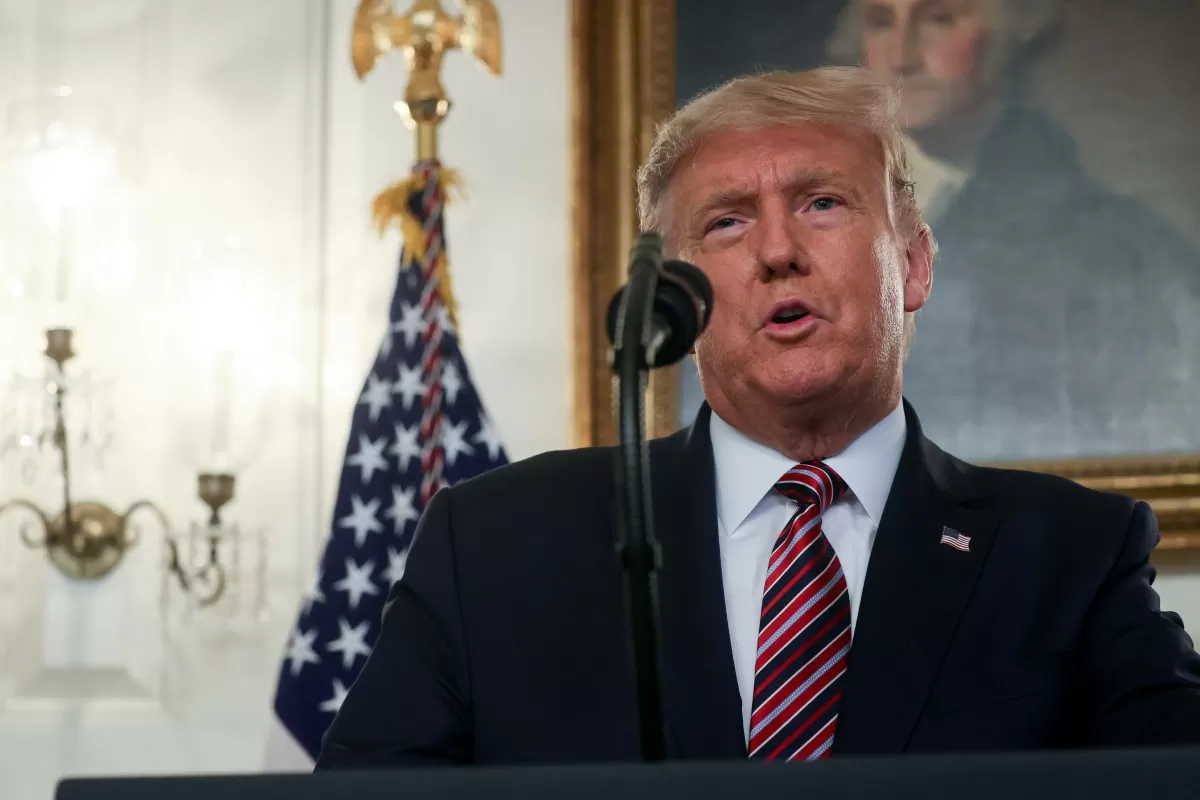
US President Donald Trump has recently made a controversial statement, asking Apple CEO Tim Cook to stop building plants in India to make iPhones for the US market. This unexpected request from the President has caused quite a stir in the tech industry, as it threatens to disrupt Apple’s plans to import most of its iPhones from India by the end of next year.
For those not familiar with the situation, let’s take a step back and understand why Apple is looking to shift its production from China to India. Over the past few years, the US-China trade tensions have been on the rise, with tariffs being imposed on various goods. This has put Apple in a difficult position, as most of its iPhones are manufactured in China, making it vulnerable to the impact of these tariffs. In order to mitigate these risks, Apple has been looking for alternative manufacturing locations, and India seemed like the perfect fit.
India has been actively trying to attract foreign investment and boost its manufacturing sector. The Indian government’s ‘Make in India’ initiative aims to make the country a global manufacturing hub, and Apple’s decision to shift its production to India was seen as a major win for this initiative. It was estimated that by the end of next year, almost all of the iPhones sold in the US would be manufactured in India, bringing in significant revenue and job opportunities for the country.
However, Trump’s recent statement has put a cloud of uncertainty over these plans. In his usual style, the President took to Twitter to voice his concerns, stating that Apple should focus on manufacturing in the US instead of India. This has raised questions about the future of Apple’s production plans in India and the impact it will have on the country’s economy.
While the request may have come as a shock to many, it is not entirely surprising. Trump has been a vocal advocate for bringing back manufacturing jobs to the US and has been pressuring companies to do so. However, it is important to note that Apple’s decision to manufacture in India was not solely based on cost-saving measures. The country’s skilled workforce, favorable business policies, and strategic location were all contributing factors in Apple’s decision.
Moreover, Apple’s presence in India has already brought in significant benefits for the country. The company has been investing in the development of its supply chain and has created thousands of jobs for Indian workers. The production of iPhones in India has also boosted the country’s export sector, further strengthening its economy.
It is also worth mentioning that Apple’s move to India is not a complete shift from China. The company will continue to manufacture its high-end iPhones in China, while the less expensive models will be produced in India. This diversification of production locations is a smart business move and will help Apple reduce its dependence on one country.
In light of these facts, it is clear that Apple’s plans to manufacture in India are not just beneficial for the company, but also for the Indian economy. Trump’s request to halt these plans could have a detrimental effect on both parties. It is important for the US President to understand that in today’s globalized world, companies need to have a diverse production base in order to thrive.
Moreover, Apple’s decision to manufacture in India is a testament to the country’s growing strength in the tech industry. With its skilled workforce and favorable business policies, India has become an attractive destination for tech giants like Apple. This not only boosts India’s economy but also puts the country on the map as a major player in the global tech market.
In conclusion, Trump’s request to stop building plants in India to make iPhones for the US may have caused some concern, but it should not deter Apple from its plans. The company’s move to India has already brought in significant benefits for the country and will continue to do so. It is important for all parties involved to understand the mutual benefits of this decision and work together towards a positive outcome. Let us hope that Trump’s statement does not throw a wrench into Apple’s plans and that the company can continue to contribute to India’s growth and development.
