
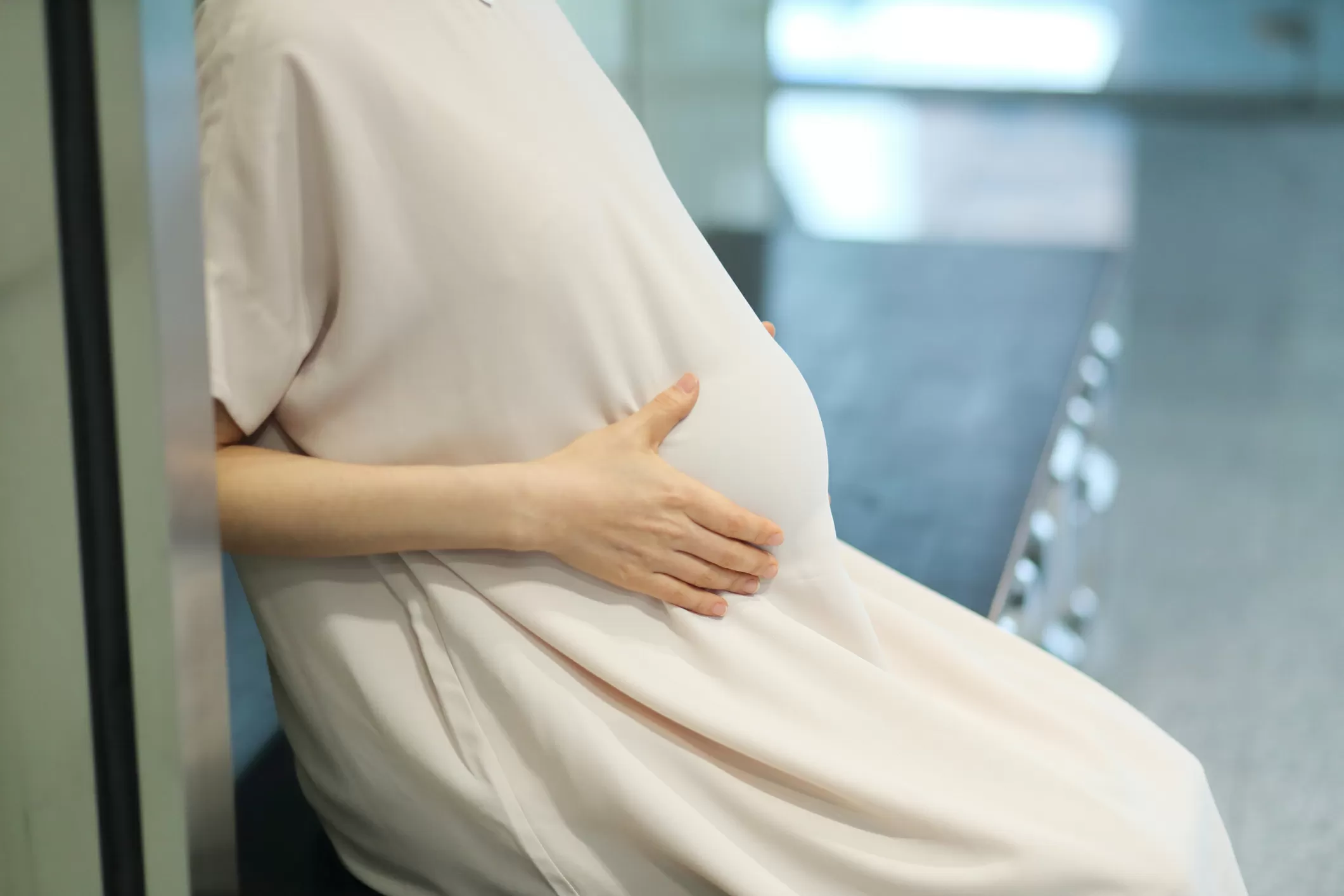
As the world continues to evolve, so do our attitudes towards marriage and family. In recent years, there has been a noticeable shift in the attitudes of young adults towards having children out of wedlock. This shift has been fueled by the country’s lowest fertility rate, which has raised concerns about the future of our population. However, this change in attitude is not necessarily a negative one. In fact, it reflects a more progressive and open-minded approach to family planning.
The notion of having children out of wedlock has long been a taboo subject in our society. It was seen as going against traditional values and societal norms. However, as more and more young adults choose to delay marriage and focus on their careers and personal goals, the idea of having children outside of marriage has become more acceptable. This is especially true for women, who are now taking charge of their own reproductive choices and embracing the concept of single motherhood.
One of the main drivers of this shift in attitude is the country’s declining fertility rate. According to recent statistics, our fertility rate has dropped to the lowest it has ever been, falling below the replacement level of 2.1 children per woman. This means that our population is not growing at a sustainable rate and could potentially face a decline in the future. This has sparked conversations about the need to change our perceptions of traditional family structures.
With the rise of modern technologies and advancements in reproductive medicine, women now have more options when it comes to starting a family. They no longer feel the pressure to rush into marriage for the sole purpose of having children. Instead, they are choosing to have children on their own terms, whether it be through adoption, surrogacy, or artificial insemination. This is a significant shift in mindset, as it allows women to take control of their reproductive choices and pursue motherhood on their own timeline.
Moreover, the stigma surrounding single parenthood is slowly fading away. More and more people are opening up to the idea of unconventional family structures and embracing the diversity that comes with it. This is a positive development, as it promotes inclusivity and acceptance of different types of families. It also challenges the traditional notion of what constitutes a “normal” family and encourages society to be more open-minded and understanding.
Another factor contributing to the change in attitudes towards having children out of wedlock is the increasing cost of living and the challenges of balancing a career and family. Many young adults are choosing to delay marriage and parenthood to focus on their education and professional growth. With the rising cost of living, it has become more challenging for young adults to settle down and start a family at a young age. This has led them to reconsider the traditional timeline of marriage and parenthood and opt for alternative options.
It is important to note that having children out of wedlock does not necessarily mean that one is alone in raising a child. There is a strong support system in place, including single-parent support groups, family and friends, and even government assistance programs. This reassures young adults that they will not be alone in their journey of parenthood, even if they choose to do it without a partner.
In conclusion, the declining fertility rate in our country has sparked a change in attitudes towards having children out of wedlock. This shift is reflective of a more progressive and forward-thinking society, where individuals are empowered to make their own choices regarding parenthood. It also promotes inclusivity and challenges traditional beliefs about family structures. While there may still be some stigma attached to the idea, it is important to embrace and support the diversity in our society and recognize that there is no one “right” way to start a family.
