
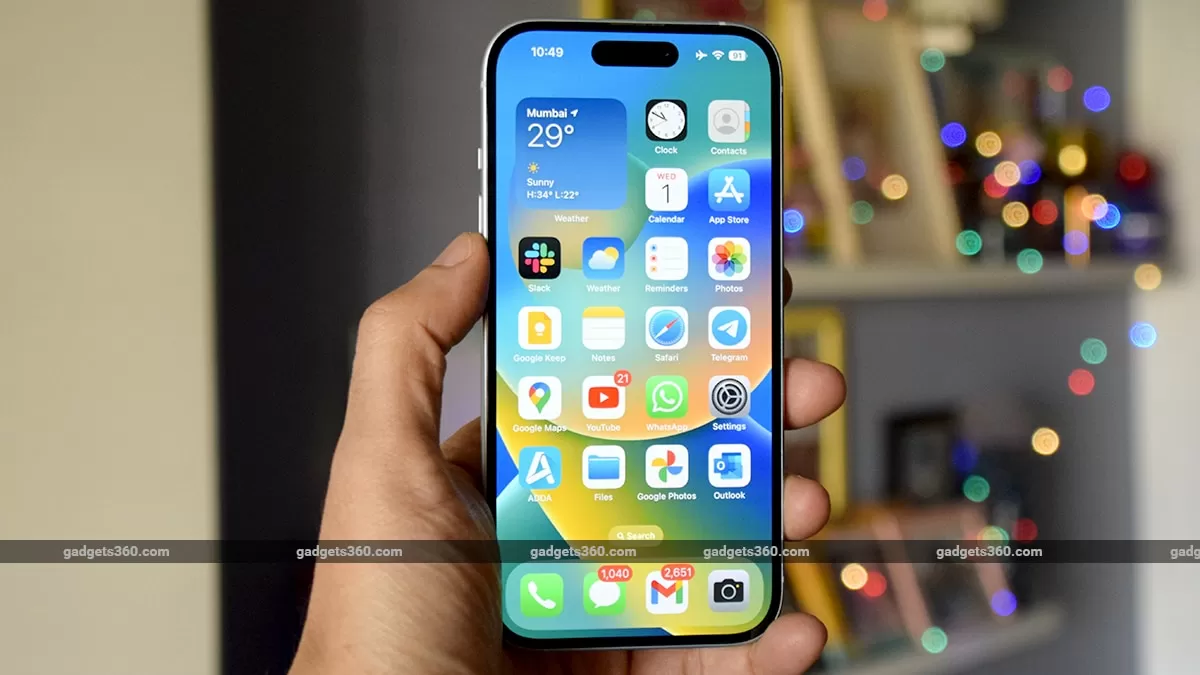
Apple, one of the world’s leading technology companies, is currently facing a legal challenge from the European Union (EU). The EU has ordered Apple to open its closed ecosystem to competitors like Meta, a move that has sparked controversy and debate in the tech world.
The EU’s interoperability requirements, which aim to promote fair competition and consumer choice, have been met with strong opposition from Apple. In a statement, the company argued that the EU’s demands create “a process that is unreasonable, costly, and stifles innovation.” This has led to a legal battle between Apple and the EU, with both sides standing firm on their positions.
At the heart of this issue is Apple’s closed ecosystem, which has been a key factor in the company’s success. Apple’s ecosystem includes its hardware, software, and services, all of which are tightly integrated and designed to work seamlessly together. This has allowed Apple to create a unique and user-friendly experience for its customers, which has been a major selling point for the company.
However, the EU believes that this closed ecosystem gives Apple an unfair advantage over its competitors. By not allowing other companies to access its ecosystem, the EU argues that Apple is limiting consumer choice and hindering competition. The EU’s interoperability requirements aim to break down these barriers and give other companies a chance to compete with Apple on a level playing field.
Apple, on the other hand, argues that the EU’s demands would have a negative impact on its business and ultimately harm consumers. The company claims that opening up its ecosystem would be a costly and complex process, which would require significant changes to its hardware and software. This, in turn, would lead to delays in innovation and higher prices for consumers.
Moreover, Apple believes that the EU’s demands go against the very nature of its business model. The company has always prided itself on its closed ecosystem, which has allowed it to maintain control over the user experience and ensure the security and privacy of its customers. Opening up its ecosystem would not only compromise these values but also put the company at risk of losing its competitive edge.
While the legal battle between Apple and the EU continues, it is important to consider the potential implications of both sides’ arguments. On one hand, the EU’s interoperability requirements could lead to increased competition and more options for consumers. On the other hand, Apple’s closed ecosystem has been a key factor in its success and has allowed the company to deliver a unique and seamless experience to its customers.
It is also worth noting that Apple has made efforts to address the EU’s concerns in the past. The company has opened up its ecosystem to some extent by allowing third-party apps on its devices and creating tools for developers to integrate their services with Apple’s products. However, the EU believes that these efforts are not enough and is pushing for further changes.
In the end, it is up to the courts to decide the outcome of this legal battle. However, it is important for both Apple and the EU to find a solution that benefits not only their own interests but also those of consumers. A balance must be struck between promoting fair competition and protecting the innovative and user-friendly experience that Apple has built for its customers.
In conclusion, the legal challenge between Apple and the EU over the company’s closed ecosystem is a complex and contentious issue. While the EU aims to promote fair competition and consumer choice, Apple argues that its closed ecosystem is crucial to its success and the user experience it provides. As this battle continues, it is important for both sides to consider the potential impact on consumers and find a solution that benefits all parties involved.
