
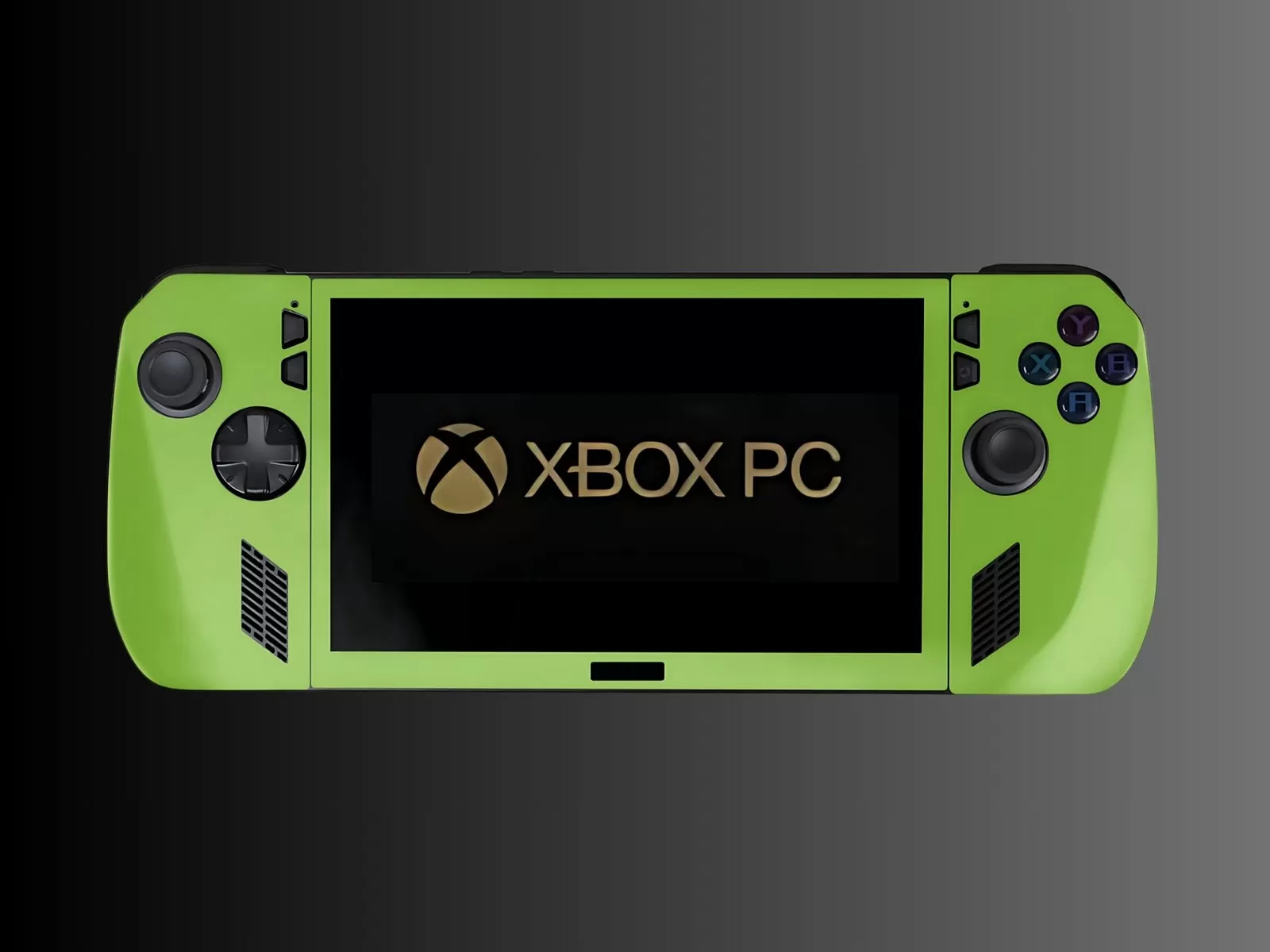
Microsoft has recently made a quiet but significant change in their gaming marketing strategy by introducing the term “Xbox PC” in their promotional materials. This move is seen as a shift from the company’s traditional way of labeling games across its platforms and could potentially signal a move towards a unified gaming ecosystem.
The change was first noticed in early May when the Xbox Wire blog introduced Gears of War: Reloaded and used “Xbox PC” to refer to the Windows version. This was a departure from the previous labeling convention, which would have referred to it as the “PC version.”
This move has sparked speculation among gamers and industry experts about what this could mean for the future of gaming on the Xbox and PC platforms.
One theory is that Microsoft is aiming for a more cohesive gaming experience across all their devices. Currently, Microsoft has three main gaming platforms – Xbox, Windows PC, and mobile devices. Each of these platforms has its own game library and exclusive titles. But with the introduction of “Xbox PC,” it seems that Microsoft is looking to bridge the gap between Xbox and PC gaming.
This move could potentially make it easier for developers to create games that can be played on both Xbox and PC platforms, thus expanding their reach and potentially boosting sales. It could also mean that gamers will have access to a wider selection of games, regardless of which platform they are playing on.
Moreover, a unified gaming ecosystem would also benefit users, as they would no longer have to purchase multiple versions of a game for different platforms. They could simply purchase one version and have the option to play on either their Xbox or PC.
But the potential implications of this move go beyond just convenience for gamers. It could also have a significant impact on the gaming industry as a whole.
A unified gaming ecosystem could mean a more competitive market for Microsoft, as they would be able to better compete with other leading gaming platforms such as Sony’s PlayStation and Nintendo Switch. This could lead to more innovation and investment in new and exciting games for the Xbox and PC platforms.
Additionally, this move could also be seen as a way for Microsoft to strengthen its position in the PC gaming market. While the Xbox has a strong foothold in the console gaming world, the Windows PC platform has been struggling to keep up with other gaming platforms. By linking the Xbox and PC gaming experiences, Microsoft could potentially attract more PC gamers and increase their market share.
It’s worth noting that this is not the first time Microsoft has attempted to bring Xbox and PC gaming closer together. In 2016, they launched the “Play Anywhere” program, which allowed gamers to purchase a game once and play it on both their Xbox and PC. However, the program was met with mixed reactions and limited adoption.
With the introduction of “Xbox PC,” it seems that Microsoft is continuing their efforts to unite their gaming platforms and create a more seamless experience for gamers. And so far, the reaction from the gaming community has been mostly positive.
Fans have taken to social media to express their excitement and speculate about what this move could mean for future game releases. Many are hopeful that this is just the beginning of a more unified and integrated gaming experience from Microsoft.
In conclusion, the introduction of “Xbox PC” in Microsoft’s marketing materials is a significant move that could potentially lead to a more unified gaming ecosystem. It’s a step towards a more cohesive gaming experience for players and could also have a significant impact on the gaming industry. With the positive response from the gaming community, we can’t wait to see what Microsoft has in store for “Xbox PC” in the future.
