
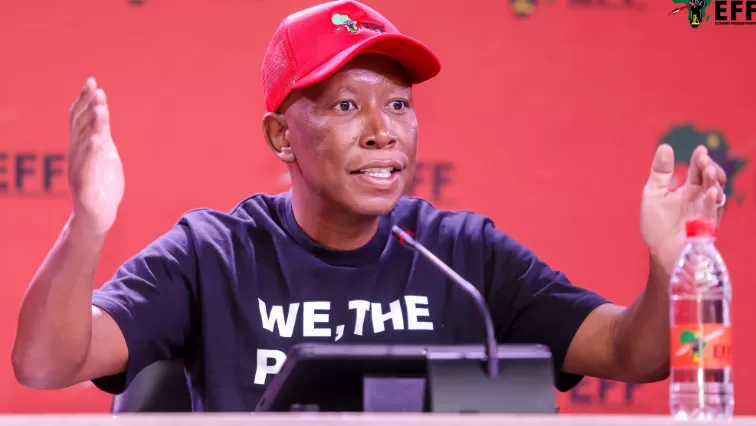
As the elected representatives of the people, Members of Parliament (MPs) have a crucial role in shaping the future of their respective countries. They have the power to enact laws, represent the voices of their constituents and hold the government accountable for their actions. With such influence and responsibility, it is essential that MPs conduct themselves with professionalism and uphold values of respect and unity. It is for this reason that MPs cannot publicly express hateful and divisive speech.
The words of our leaders have the ability to bring people together or tear them apart. In a diverse society, where people from different cultures, religions and backgrounds coexist, it is crucial that our leaders use their words to bridge gaps and promote understanding. Hateful and divisive speech, on the other hand, only serves to sow seeds of discord and promote intolerance. It creates an atmosphere of fear and hostility, where individuals and groups are targeted and discriminated against.
In recent years, we have seen an alarming rise in hate speech and divisive rhetoric by politicians around the world. It has become a tool to gain political support and fuel feelings of exclusion and superiority among certain groups. This has not only created divisions within societies but has also led to violence and discrimination against marginalized communities. As representatives of the people, MPs have a moral obligation to denounce such speech and promote a culture of inclusivity and acceptance.
In many countries, there are laws in place to restrict hate speech and racism. However, these laws are not enough to combat the rising tide of hate speech. It is the responsibility of MPs to go beyond legalities and set an example for the rest of society. They must recognize the power of their words and use it to promote a message of unity and respect. This not only applies to their public speeches but also to their language and conduct in Parliament and social media platforms.
Moreover, MPs hold a position of authority and influence over their constituents. As leaders, they have the ability to shape the opinions and attitudes of their followers. When they publicly express hateful and divisive speech, it not only harms the targeted groups but also normalizes such behavior among their followers. This can have long-term consequences on social cohesion and the values of a society. Therefore, it is essential for MPs to be mindful of their words and use their platform to promote harmony and understanding.
Furthermore, as elected representatives, MPs are accountable to their constituents. They are expected to represent the diverse voices of their communities, not just the opinions of a select few. When they publicly express hateful and divisive speech, they not only betray the trust of their constituents but also fail to fulfill their duty as representatives. It is their responsibility to foster a culture of cooperation and compromise among fellow MPs, rather than promoting division and animosity.
In a democratic society, freedom of speech is a fundamental right that should be protected. However, this freedom comes with responsibility. The responsibility to uphold the values of a just and inclusive society, and to refrain from inciting hatred and violence through our words. It is only through responsible and respectful communication that we can build a society that embraces diversity and celebrates differences.
It is the duty of every MP to be a role model for their constituents and promote a culture of tolerance and harmony. They must refrain from using their platform to incite hatred and division, as it goes against the very principles of democracy. It is only through unity and understanding that we can move towards progress and prosperity as a society.
In conclusion, MPs cannot publicly express hateful and divisive speech. As the elected representatives of the people, it is their responsibility to promote a message of unity, respect and inclusivity. They must recognize the power of their words and use it to build bridges, not walls. Let us hope that our leaders fulfill their duty and use their words to inspire and unite us, rather than divide us. After all, it is only through collective efforts that we can create a better and more equitable world for all.
