
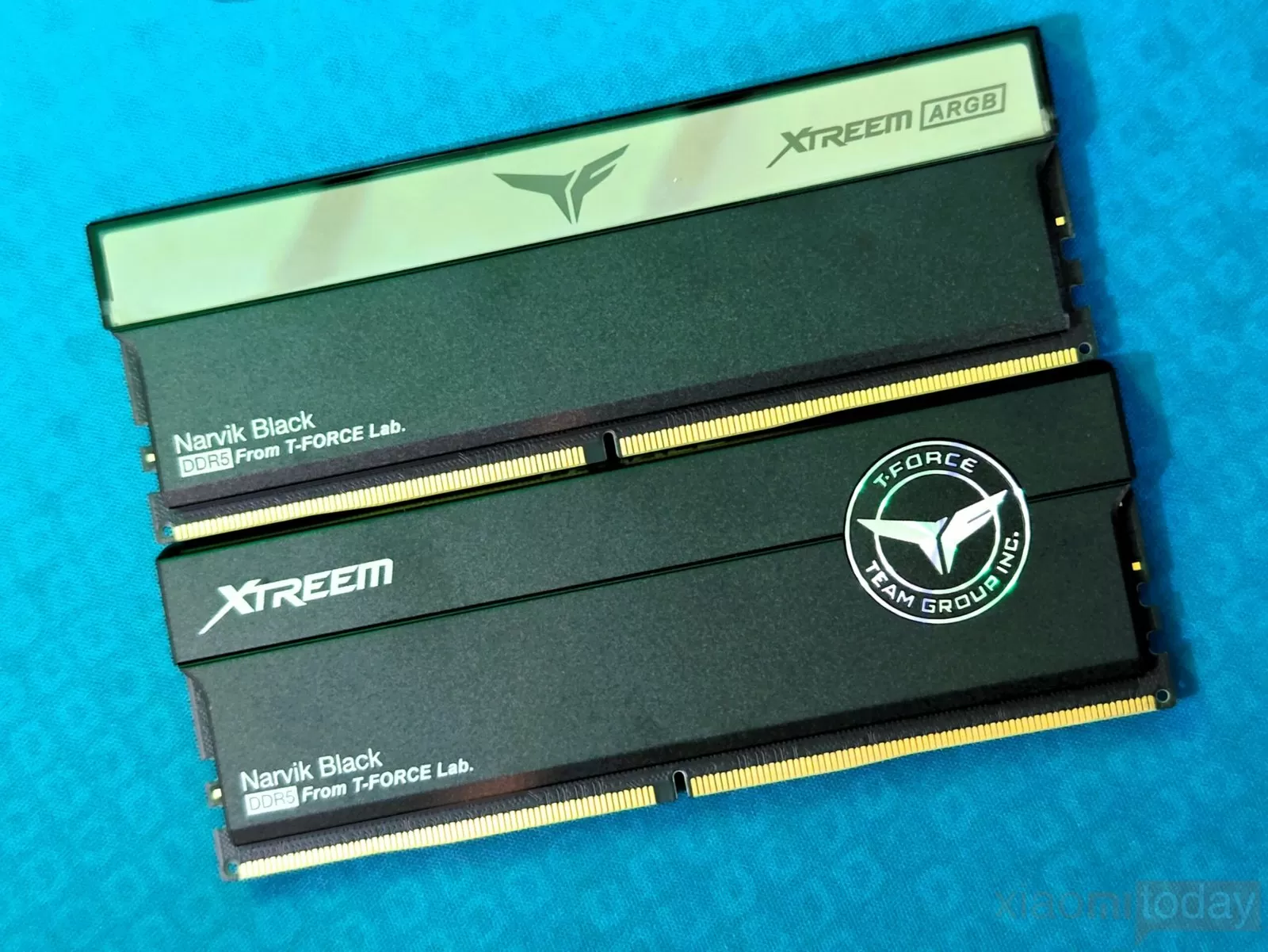
The global DRAM market is facing a challenging period as prices continue to rise, driven by the increasing demand from the artificial intelligence (AI) and data center industries. This current market situation reflects a significant shift in production priorities among leading manufacturers such as Samsung, Micron, and SK hynix, who are now focusing their capacity on high-performance memory.
DRAM, or Dynamic Random Access Memory, is a type of memory used in computers, smartphones, and other electronic devices. It is a crucial component in the functioning of these devices, as it allows for quick access to data and programs. With the rise of AI and data centers, the demand for high-performance DRAM has increased significantly, leading to a supply shortage and subsequent price increase.
The AI industry, in particular, has been a major driver of this demand. AI applications require large amounts of data to be processed quickly, making high-performance DRAM a necessity. As AI technology continues to advance and become more prevalent in various industries, the demand for DRAM is expected to continue to rise.
Data centers, which are responsible for storing and processing large amounts of data, also heavily rely on DRAM for their operations. With the increasing use of cloud computing and big data analytics, the demand for data centers has grown, further driving up the demand for DRAM.
This sustained demand from the AI and data center industries has put pressure on DRAM supply, leading to a rise in prices. According to industry experts, DRAM prices have increased by over 30% in the past year, and the trend is expected to continue in the coming months.
One of the main reasons for this supply shortage is the shift in production priorities among leading DRAM manufacturers. Samsung, Micron, and SK hynix, who collectively control over 90% of the global DRAM market, have shifted their focus to high-performance memory. This is due to the higher profit margins associated with this type of DRAM, compared to the more traditional low and mid-range products.
This shift in production priorities has also been influenced by the ongoing trade war between the United States and China. With the US government imposing restrictions on Chinese tech companies, Chinese manufacturers have been forced to look for alternative sources of DRAM, leading to a surge in demand.
The current situation in the DRAM market has raised concerns among consumers and businesses alike. The rising prices of DRAM could potentially lead to an increase in the cost of electronic devices, making them less affordable for consumers. Businesses that rely on data centers for their operations may also face challenges due to the higher costs associated with DRAM.
However, there is a silver lining to this situation. The increased demand for high-performance DRAM has led to a surge in investments in the industry. Leading manufacturers are ramping up their production capacity to meet the demand, which is expected to stabilize prices in the long run.
Moreover, the rise in DRAM prices has also led to an increase in profits for DRAM manufacturers. This, in turn, will enable them to invest in research and development, leading to further advancements in DRAM technology. This will ultimately benefit consumers and businesses, as they will have access to more powerful and efficient devices.
In conclusion, the global DRAM market is currently facing supply pressure as the demand for high-performance memory continues to rise. This is primarily driven by the increasing demand from the AI and data center industries. While this situation may cause short-term challenges, it is also driving investments and advancements in the DRAM industry, which will ultimately benefit consumers and businesses in the long run.
