
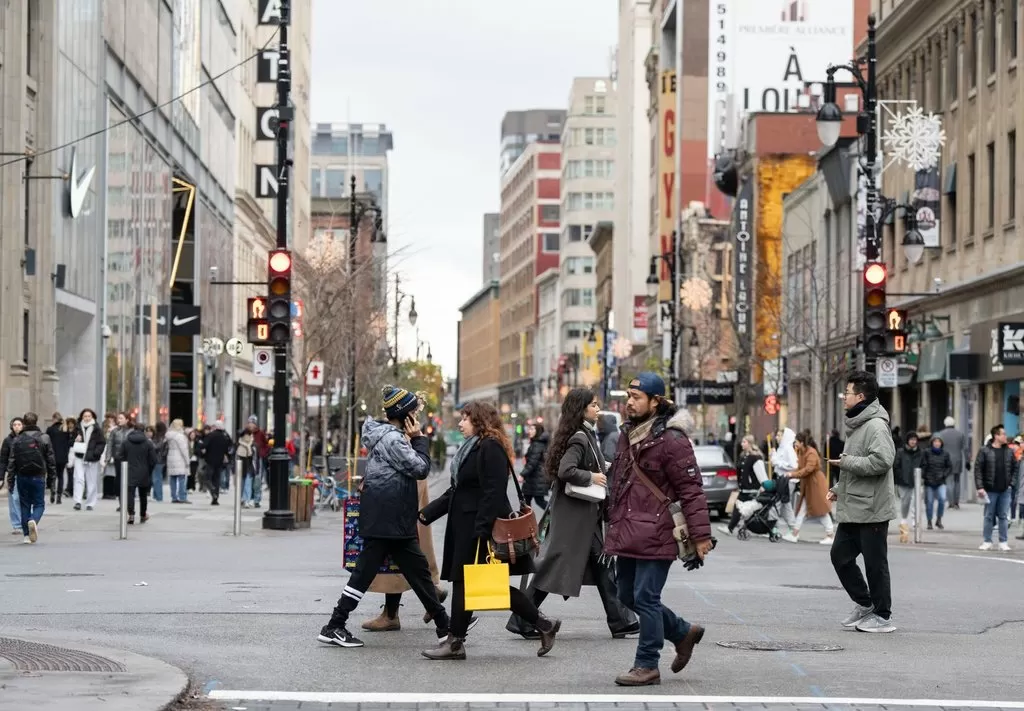
Holiday shopping season is right around the corner, and Canadians are already feeling the impact of inflation and tariffs on their wallets. With rising prices and added expenses, many are expecting to take on more debt this year in order to keep up with their holiday shopping.
According to a recent survey by the Bank of Montreal, 43% of Canadians plan to take on more debt this holiday season compared to last year. This is a significant increase from last year’s survey, where only 31% of Canadians said the same. The survey also found that 47% of Canadians are worried about their ability to keep up with their debt payments, a 6% increase from the previous year.
These findings demonstrate the growing concerns about a ‘K-shaped economy’ in Canada, where the recovery from the pandemic is uneven and some are facing financial hardships while others are thriving. This has led to a divide in spending power, with some Canadians having extra disposable income while others are struggling to make ends meet.
Retail analysts have noted that this divide is particularly evident during the holiday season, with higher-income households being able to spend more on gifts and festivities while lower-income households are forced to cut back. This is further exacerbated by the inflation and tariffs, which have caused prices to rise and put a strain on already tight budgets.
One of the biggest concerns for many Canadians this holiday season is the rise in cost of everyday items. From groceries to gas, prices have been steadily increasing due to inflation and the added costs of tariffs on imported goods. This means that even the most basic necessities are becoming more expensive, leaving little room for discretionary spending.
In addition, the rise in online shopping during the pandemic has also contributed to the increase in prices. With more people turning to online retailers, shipping and handling fees have also added to the total cost of purchases. This is especially true for items that are not produced domestically and are subject to additional tariffs.
So how can Canadians still enjoy the holiday season without breaking the bank? One solution is to start budgeting and planning early. By setting a spending limit and making a list of necessary items, Canadians can avoid overspending and taking on more debt than they can handle.
Another option is to take advantage of sales and discounts. With many retailers offering early holiday deals, it’s a good idea to do some research and compare prices before making a purchase. This will not only help save money, but also allow for more informed decisions when it comes to spending.
It’s also important to remember the true meaning of the holiday season. Instead of focusing on material possessions, Canadians can turn towards more meaningful gifts such as homemade items or experiences. These can not only be more affordable, but they also hold sentimental value and can create lasting memories.
As we navigate through the challenges of a ‘K-shaped economy’ and the added pressures of inflation and tariffs, it’s important to remain mindful of our spending habits and prioritize financial stability. By making smart decisions and finding creative ways to celebrate the holiday season, Canadians can avoid taking on more debt and enjoy a stress-free holiday season.
In conclusion, while holiday shopping amid inflation and tariffs may present some challenges, Canadians can still find ways to make the most of the season without overwhelming their finances. By being proactive and making thoughtful decisions, we can ensure a happy and financially responsible holiday season for all. Let’s celebrate the true spirit of the holidays and spread joy and happiness to those around us. Happy shopping!
