
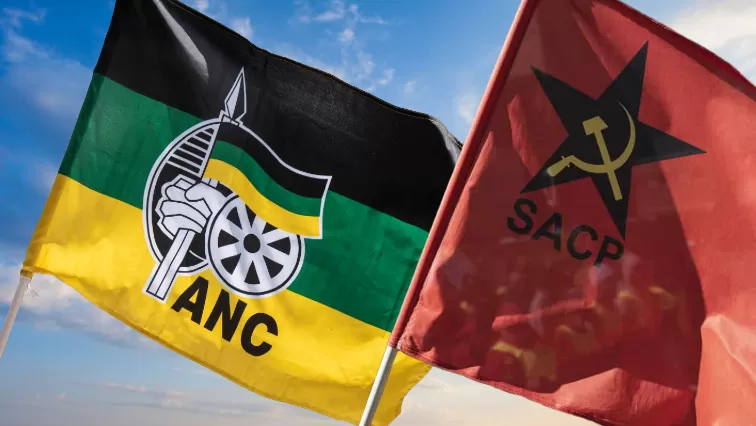
The African National Congress (ANC) and the South African Communist Party (SACP) have a long and intertwined history, dating back to the 1950s when the two organizations first formed a close alliance. This relationship was built on shared goals and a united vision for a free and equal South Africa. Today, as we celebrate the 108th anniversary of the ANC, it is crucial to reflect on the strong bond that exists between these two liberation movements and the significant role they have played in shaping the country’s history.
In the 1950s, South Africa was still under the oppressive rule of the apartheid regime, which enforced racial segregation and discrimination. The ANC, a political party dedicated to the struggle against apartheid, had been banned by the government in 1960. However, the party continued to operate underground, with many of its members working closely with the SACP, a communist party that also opposed the apartheid regime.
The ANC’s strong emphasis on nonviolent resistance and the SACP’s Marxist ideology may seem like an unlikely pairing, but their shared vision of a democratic and socialist South Africa brought the two organizations together. Both parties recognized the need for a united front in the fight against apartheid and set aside their differences to work towards a common goal.
One of the significant milestones in the ANC-SACP alliance was the formation of the Congress Alliance in 1954. This coalition included the ANC, SACP, and other organizations such as the South African Congress of Trade Unions (SACTU) and the Coloured People’s Congress. The Congress Alliance played a vital role in organizing protests, boycotts, and other acts of civil disobedience to challenge apartheid laws and policies.
The Sharpeville Massacre of 1960, where peaceful protesters were shot by the police, was a turning point in the relationship between the ANC and the SACP. This tragic event led to the formation of Umkhonto we Sizwe (Spear of the Nation), the armed wing of the ANC, which was co-founded by Nelson Mandela and SACP member Joe Slovo. This collaboration marked a significant shift in the ANC’s approach to the struggle, as they recognized the need for both peaceful and armed resistance.
The 1980s saw an increase in repression from the apartheid government, with many anti-apartheid activists being arrested, tortured, and killed. In response, the ANC and SACP intensified their cooperation, with many SACP members becoming leaders in the ANC’s underground structures. Together, they formed a united front against the oppressive regime, with the SACP providing military training and other resources to the ANC.
The close relationship between the ANC and the SACP played an essential role in the success of the anti-apartheid struggle. Despite facing constant persecution and imprisonment, the two organizations stood strong and continued to work towards a free and democratic South Africa. The 1990 release of Nelson Mandela, following negotiations between the ANC and the government, marked a significant victory for the movement and a step towards the dismantling of apartheid.
The ANC and SACP’s alliance continued even after the end of apartheid. When South Africa held its first democratic elections in 1994, the two organizations formed an electoral alliance, with many SACP members being elected as ANC representatives in the government. This partnership has continued to thrive, with the SACP playing a vital role in shaping the country’s democratic institutions and policies.
Today, as we celebrate the ANC’s 108th anniversary, we must acknowledge and honor the ANC and SACP’s unbreakable bond. From their shared goals in the 1950s to their continued collaboration in the present, the two organizations have shown the power of unity and determination in the face of oppression. The ANC’s current president, Cyril Ramaphosa, has recognized the importance of this alliance, stating, “We are joined at the hip and always bound together by our history, our struggles, and our dreams for the future.”
In conclusion, the ANC and SACP’s close relationship is a testament to the enduring spirit of the South African people and their unwavering commitment to a free, equal, and democratic society. As we move towards a future filled with challenges and opportunities, let us remember the strength and resilience of this alliance and work together towards a better and brighter future for all South Africans.
