
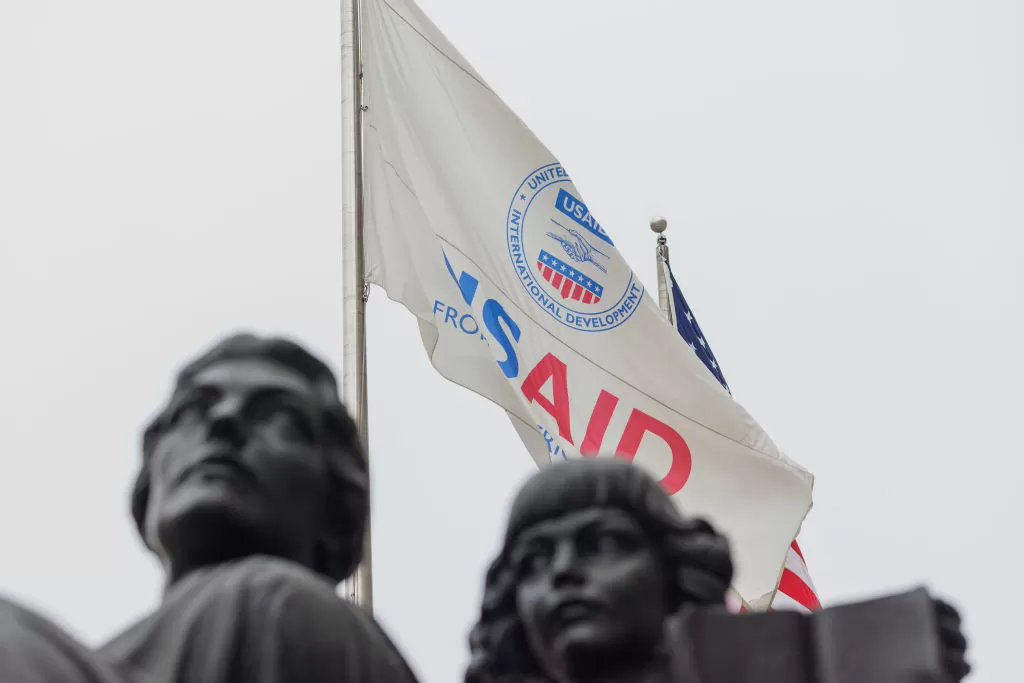
The decision of the Trump administration to close down the foreign-aid agency has been met with widespread criticism and concern. Multiple studies have estimated that this move could result in the deaths of millions of people annually, especially those in developing countries who rely heavily on foreign aid for their basic needs.
The United States Agency for International Development (USAID) has been providing humanitarian assistance to developing countries for over 50 years. Its efforts have helped to improve the quality of life for millions of people around the world, including providing access to clean water, healthcare, education, and food security. However, with the recent announcement of the closure of this vital agency, the progress made in these areas could be reversed, leading to dire consequences.
One of the main reasons for the closure of USAID is the administration’s focus on “America First”. This approach, while seemingly beneficial for the United States, completely disregards the global impact of such a decision. The closure of USAID will not only affect the developing countries that rely on their support but also have far-reaching consequences for the United States itself.
The first and most significant consequence of the closure of USAID is the potential loss of millions of lives annually. With the absence of foreign aid, developing countries will struggle to provide basic necessities for their citizens. This could lead to a rise in malnutrition, disease, and even death. According to the World Health Organization, nearly half a million children under the age of five die each year from malnutrition-related causes. With the closure of USAID, this number is expected to increase significantly.
In addition to the direct impact on human lives, the closure of USAID will also have severe economic implications. Many developing countries rely on foreign aid to support their economies, especially in times of crisis. With the closure of USAID, these countries will be left vulnerable and unable to cope with economic downturns. This could lead to widespread poverty, unemployment, and a rise in crime rates. The resulting instability in these countries could also have a ripple effect on the global economy, impacting trade and investment.
Furthermore, the closure of USAID will also have a detrimental effect on the United States’ global standing. The agency has been a symbol of America’s commitment to helping those in need and promoting peace and stability around the world. With its closure, the United States will lose its reputation as a leader in humanitarian aid, damaging its relationships with other countries and weakening its influence on the international stage.
Some may argue that the closure of USAID is necessary to cut costs and redirect funds to domestic programs. However, the amount of money saved from this move is negligible compared to the potential loss of lives and economic instability it could cause. In fact, according to a report by the Congressional Budget Office, USAID accounts for less than 0.2% of the federal budget.
It is not too late for the Trump administration to reconsider their decision and prioritize the lives of millions of people over their “America First” agenda. The United States has been a leader in providing humanitarian aid for decades, and turning their back on it now would be a step in the wrong direction.
Fortunately, there are still steps that can be taken to mitigate the impact of the closure of USAID. One solution could be for the agency to partner with non-governmental organizations (NGOs) and other countries to continue providing aid to those in need. This would not only help to bridge the gap left by the closure of USAID but also promote global partnerships and collaboration.
In conclusion, the closure of USAID by the Trump administration is a decision that could have devastating consequences for millions of people around the world. It is time for the administration to reconsider their priorities and recognize the vital role that foreign aid plays in promoting global stability and security. The United States has always been a leader in humanitarian aid, and it is crucial that we continue to uphold this role for the betterment of the world.
