
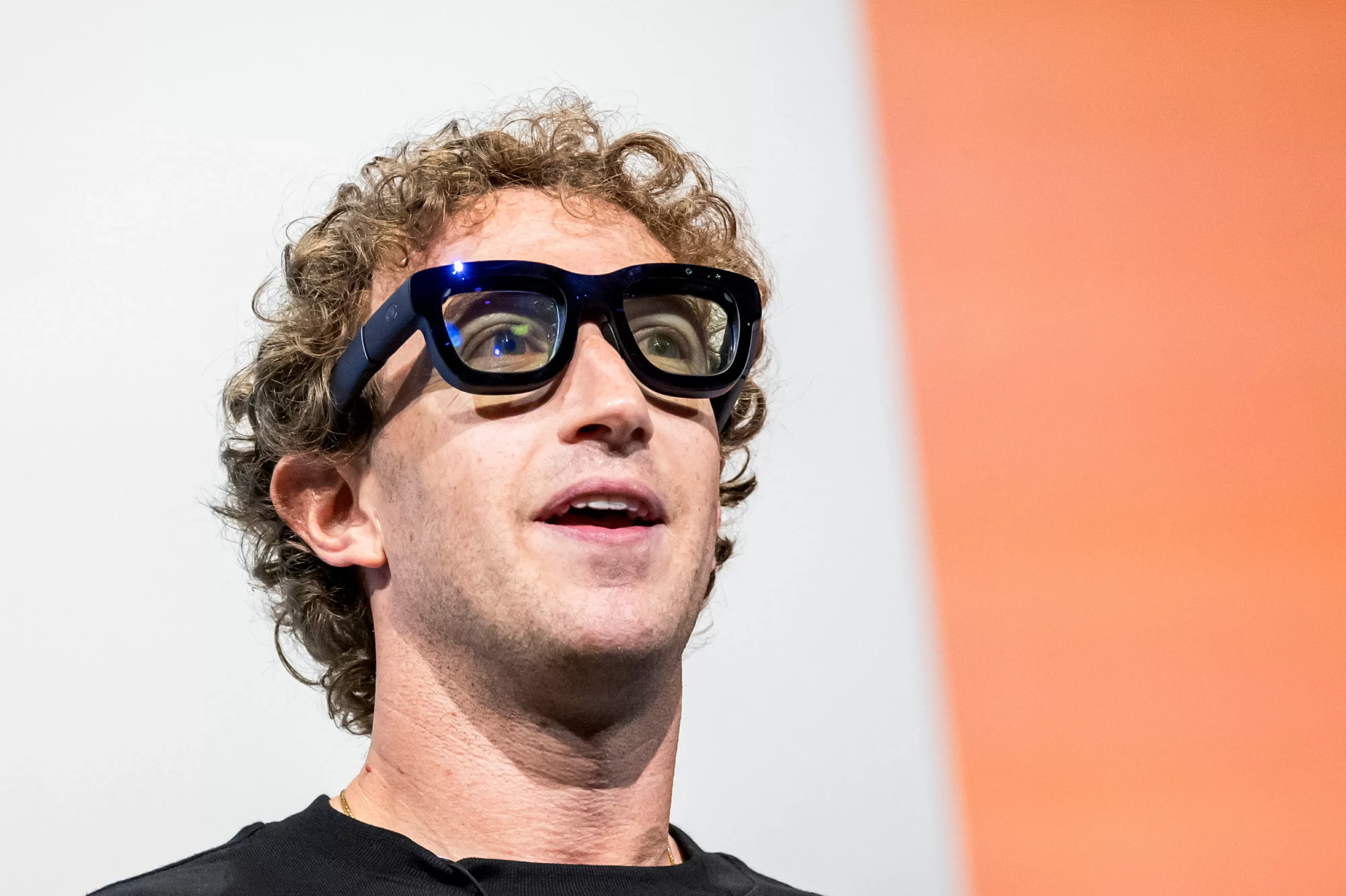
Mark Zuckerberg, the CEO and co-founder of Facebook, is known for his ambitious and forward-thinking ideas. He has always been at the forefront of technological advancements, constantly pushing the boundaries and challenging the status quo. However, his recent prediction about the future of technology has caused a lot of buzz and raised some eyebrows.
In a recent interview, Zuckerberg shared his vision for the future of social media and technology. He envisions a world where people will be able to hang out and interact with each other in a virtual reality space called the “metaverse”. While this may sound like something out of a science fiction movie, Zuckerberg believes that this concept will become a reality in the next five to ten years.
But before we get too excited about the prospect of living in a virtual world, let’s take Zuckerberg’s outlook with a grain of salt. After all, this is not the first time he has made bold predictions about the future that have not come to fruition. Remember when he said that by now we would all be wearing virtual reality headsets and using them to work and play? Or when he predicted that artificial intelligence would be advanced enough to understand human emotions? While these ideas may seem plausible, the reality is that they have not yet become mainstream.
It is important to remember that Zuckerberg is an entrepreneur, not a fortune teller. His job is to envision the future and work towards making it a reality. However, technology is constantly evolving and it is impossible to predict exactly how it will shape our lives in the years to come. While his ideas may be exciting and thought-provoking, we should not take them as definite truths.
Moreover, the concept of the metaverse raises some valid concerns. We are already living in an era where social media has a significant impact on our daily lives. Many people are addicted to their phones and spend a large amount of time scrolling through their social media feeds. The metaverse could potentially exacerbate this addiction and blur the lines between the virtual and real world. It could also lead to a further decline in face-to-face interactions and human connections.
Another important aspect to consider is the accessibility of the metaverse. While Zuckerberg talks about it as a place where people from all over the world can come together, the reality is that not everyone will have access to this technology. It could further widen the digital divide and create a sense of exclusion for those who cannot afford or access the necessary tools.
However, despite these concerns, there is no denying that the concept of the metaverse is intriguing and has the potential to revolutionize the way we interact with each other and experience the world. It could open up new possibilities for education, entertainment, and even business. But it should not be seen as a replacement for the real world.
As with any new technology, it is important to approach it with caution and consider its potential consequences. We should not get swept away by the hype and blindly follow every new trend that comes our way. We must remember to use technology as a tool to enhance our lives, not replace them.
In conclusion, while Zuckerberg’s vision for the metaverse may seem exciting and futuristic, we should take it with a grain of salt. After all, it is just a prediction and the future is unpredictable. It is important to stay grounded and not get carried away by the promises of technology. Let us appreciate the advancements and possibilities it brings, but also be mindful of its effects on our lives. As we move towards the future, let us remember that we are in control and can shape it in a way that benefits us all.
