
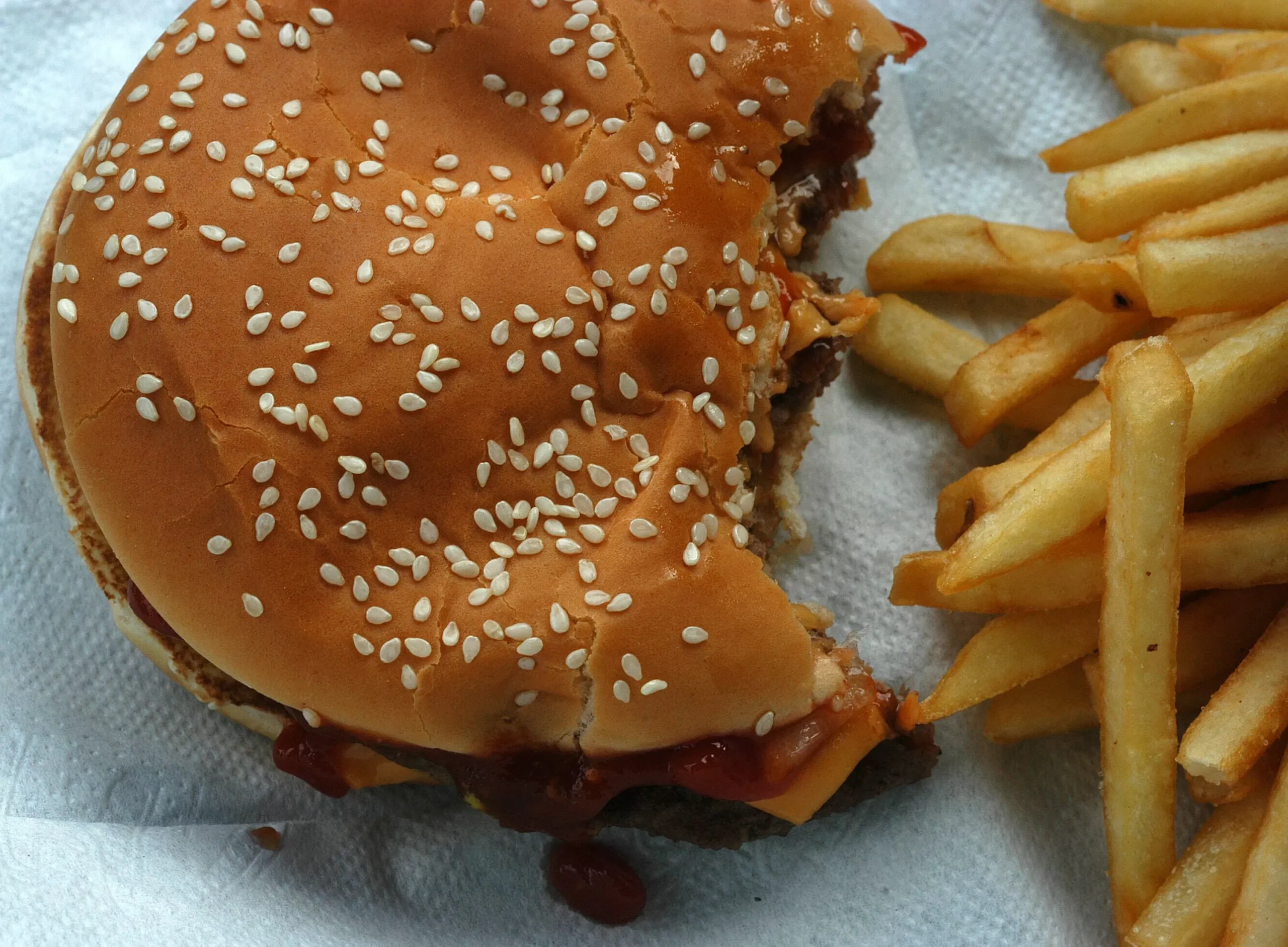
In today’s fast-paced world, with rising costs and stagnant wages, it’s no surprise that many consumers are struggling to make ends meet. With every dollar counting, people are constantly looking for ways to save money and cut back on expenses. Unfortunately, one of the areas that often gets sacrificed in this process is our diet. As one economist aptly stated, “Unfortunately, diet is the first thing to go when you have to try and find ways to save money.”
It’s a sad reality that in the pursuit of financial stability, our health and well-being often take a backseat. Many people resort to cheap, processed foods that are high in calories but low in nutrients, simply because they are more affordable. This not only affects our physical health, but also takes a toll on our mental and emotional well-being.
The rising cost of living has made it challenging for families to maintain a healthy and balanced diet. With the cost of fresh fruits and vegetables on the rise, it’s no wonder that people are turning to cheaper alternatives. Fast food and processed snacks may seem like a quick and easy solution, but they come at a cost. These foods are often high in unhealthy fats, sugars, and sodium, leading to a host of health problems such as obesity, heart disease, and diabetes.
But it’s not just our physical health that suffers when we compromise on our diet. Eating unhealthy, processed foods can also affect our mood and energy levels. Studies have shown that a diet high in processed foods and low in fruits and vegetables can lead to increased feelings of depression and fatigue. This can have a ripple effect on our work and personal lives, making it even more difficult to break out of the cycle of financial strain.
So, what can we do to break this vicious cycle and prioritize our health without breaking the bank? The good news is that there are ways to save money without sacrificing our diet and well-being.
First and foremost, it’s important to plan ahead and budget for healthy food options. This may require some extra effort and time, but it will pay off in the long run. Make a list of essential items and stick to it when grocery shopping. Avoid impulse purchases and opt for generic or store-brand options, which are often cheaper but just as nutritious.
Another way to save money on food is to buy in bulk. This is especially helpful for non-perishable items like grains, beans, and canned goods. Buying in bulk can save you money in the long run and also reduce the number of trips you have to make to the grocery store, saving you time and gas money.
It’s also important to make use of coupons and discounts. Many grocery stores offer weekly deals and coupons on healthy food options. Take advantage of these offers and plan your meals around them. This will not only save you money, but also add variety to your diet.
One of the best ways to save money on food is to cook at home. Eating out or ordering takeout may seem like a convenient option, but it can quickly add up and take a toll on your budget. Cooking at home allows you to control the ingredients and portion sizes, ensuring a healthier and more affordable meal.
Additionally, consider growing your own fruits and vegetables. Even if you don’t have a large backyard, you can still grow herbs, tomatoes, and other vegetables in small pots or containers. Not only is this a cost-effective option, but it also ensures that you have fresh and organic produce at your fingertips.
Incorporating these tips into your daily routine can help you save money without compromising on your health. It’s important to remember that investing in our health now can save us from costly medical bills in the future. By prioritizing our diet and making smart choices, we can break the cycle of financial strain and improve our overall well-being.
In conclusion, while it may be tempting to cut corners and compromise on our diet in the pursuit of financial stability, it’s important to remember that our health should always be a top priority. By making small changes and being mindful of our food choices, we can save money and still maintain a healthy and balanced diet. As the saying goes, “You are what you eat,” so let’s make sure we are nourishing our bodies with the best possible fuel, even in tough financial times.
