
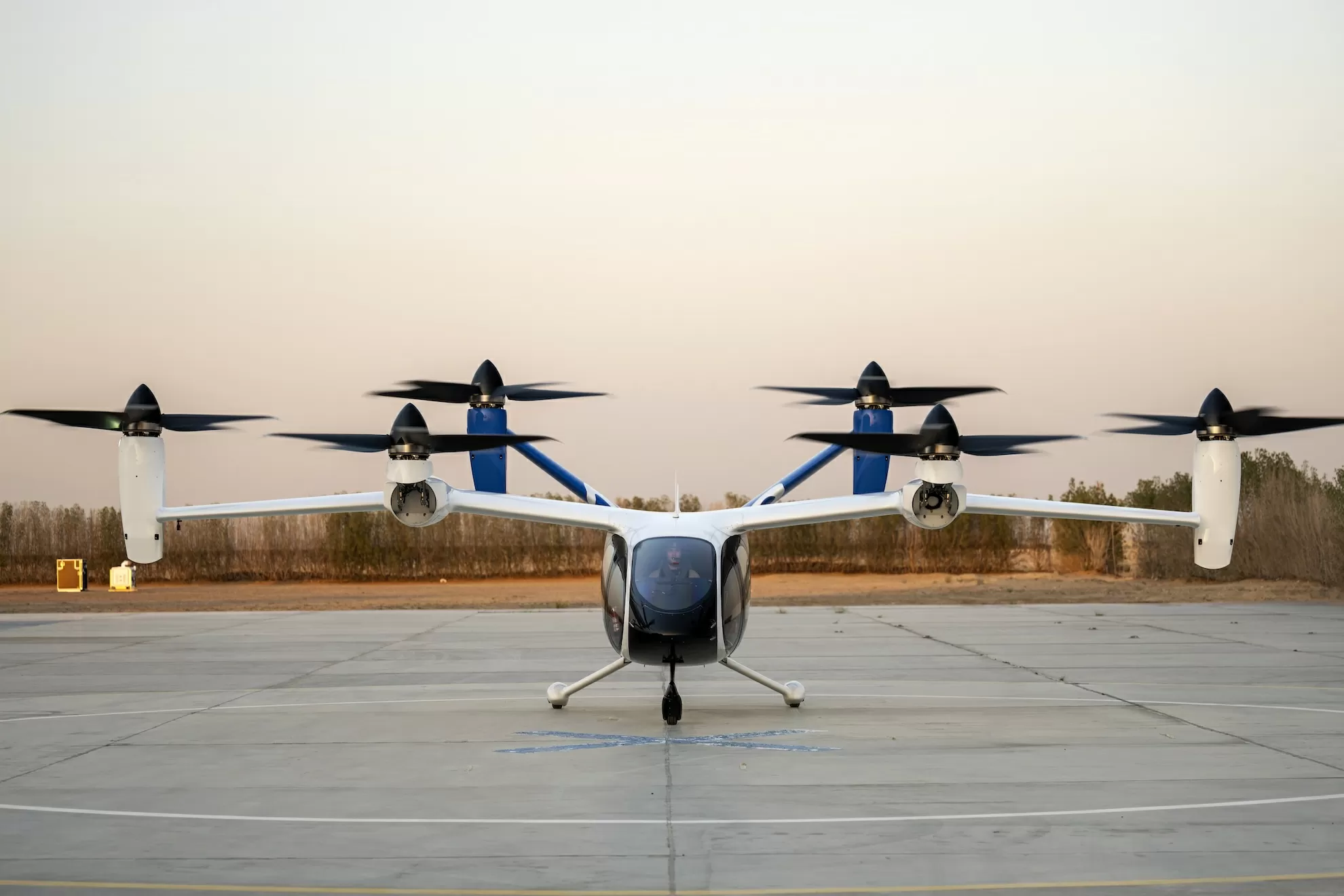
The future of aviation just got a major boost as the federal government announced its selection of eight proposals to test electric aircraft across 26 states. This groundbreaking initiative is set to revolutionize the way we travel and could potentially lead to a greener and more sustainable future for the aviation industry.
The selected proposals cover a wide range of electric aircraft technologies, from small drones to larger passenger planes. This diverse selection of projects will allow for comprehensive testing and evaluation of various electric aircraft models, ultimately leading to the development of more efficient and reliable electric aircraft.
One of the most exciting proposals is from a major airline that plans to test a hybrid-electric aircraft on one of its busiest routes. This project aims to demonstrate the viability of electric aircraft for commercial use and could potentially pave the way for more eco-friendly air travel in the near future. This could greatly reduce the carbon footprint of the aviation industry, which is a major contributor to greenhouse gas emissions.
Apart from commercial use, the selected proposals also include projects for medical and emergency services, as well as cargo transportation. This shows the potential for electric aircraft to be used in a variety of industries, not just for passenger travel. It also highlights the versatility and adaptability of this technology.
The testing will take place in 26 states, providing a diverse range of environments and conditions for the electric aircraft to be evaluated. This will allow for a more thorough understanding of the capabilities and limitations of these aircraft, which will be crucial for their future development and integration into the aviation industry.
The federal government’s decision to invest in the development of electric aircraft is a significant step towards a more sustainable and environmentally-friendly aviation industry. This initiative not only promotes the use of clean energy but also encourages innovation and technological advancements in the field of aviation.
One of the major challenges in the development of electric aircraft has been the limited range and battery life of these planes. However, with the selected proposals, researchers and engineers will have the opportunity to test and improve upon these limitations. This could potentially lead to longer flights and increased efficiency, making electric aircraft a more viable option for commercial use.
Moreover, the use of electric aircraft could also have a positive impact on the economy. With the development of this new technology, there will be a need for skilled workers in various fields such as engineering, manufacturing, and maintenance. This could create new job opportunities and boost economic growth in the selected states.
The federal government’s decision to fund the testing of electric aircraft is a clear indication of their commitment towards a more sustainable future. This initiative not only benefits the aviation industry but also aligns with the government’s goal of reducing carbon emissions and promoting clean energy.
The success of these projects could also inspire other countries to invest in the development of electric aircraft, leading to a global shift towards greener and more sustainable air travel. This could have a significant impact on reducing the carbon footprint of the aviation industry and ultimately contribute to the fight against climate change.
In conclusion, the selection of eight proposals to test electric aircraft across 26 states is a major milestone for the aviation industry. This initiative has the potential to transform air travel and pave the way for a more sustainable future. With the government’s support and investment, we can look forward to a cleaner and more efficient aviation industry in the years to come.
