
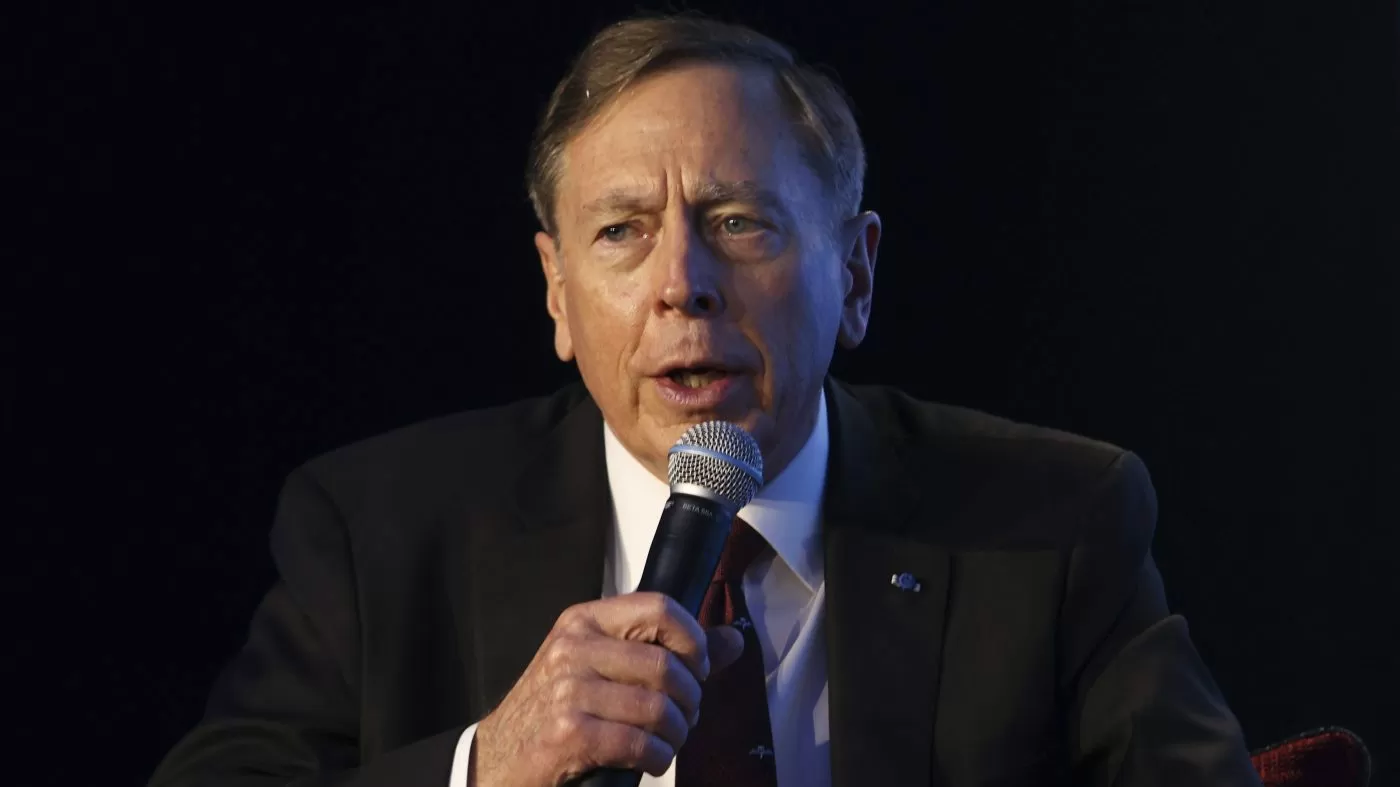
Former CIA Director Gen. David Petraeus has recently offered a candid assessment of the escalating tensions between the United States and Iran in the Strait of Hormuz. In an interview, Petraeus expressed his concerns over Iran’s decision to lay mines in the strategic passageway, stating that it has created a significant challenge for the U.S. military.
Petraeus, who is a highly respected and experienced military leader, previously served as the commander of U.S. Central Command (CENTCOM). He has a deep understanding of the complexities of the region and the potential consequences of any military action in the Strait of Hormuz.
The Strait of Hormuz is a narrow waterway that connects the Persian Gulf to the Arabian Sea, making it a crucial route for global oil transportation. It is estimated that nearly one-fifth of the world’s oil supply passes through this strategic chokepoint. Therefore, any disruption in this area can have severe consequences for the global economy.
In recent months, tensions between the U.S. and Iran have been on the rise, with both sides engaging in a war of words and provocative actions. The U.S. has accused Iran of being behind several attacks on oil tankers in the Strait of Hormuz, while Iran has denied these allegations. However, the recent incident of Iran seizing a British-flagged oil tanker has further escalated the situation.
In light of these events, Petraeus believes that Iran’s decision to lay mines in the Strait of Hormuz has created a significant challenge for the U.S. military. The presence of these mines not only poses a threat to commercial shipping but also to U.S. naval vessels that are responsible for ensuring the safety of the waterway.
Petraeus also highlighted the fact that the U.S. military is already stretched thin with its ongoing operations in the Middle East. Any additional military action in the Strait of Hormuz would require a significant deployment of resources and could potentially lead to a larger conflict in the region.
Furthermore, Petraeus emphasized the need for a diplomatic solution to the current crisis. He stated that while the U.S. has the military capability to respond to any threat, it is essential to exhaust all diplomatic options before resorting to military action. He also stressed the importance of working with allies and partners in the region to find a peaceful resolution.
The former CIA Director’s assessment of the situation in the Strait of Hormuz serves as a wake-up call for both the U.S. and Iran. It highlights the potential consequences of their actions and the need for a de-escalation of tensions. It also underscores the importance of international cooperation in maintaining peace and stability in the region.
In conclusion, Gen. David Petraeus’s frank assessment of the conflict between the U.S. and Iran in the Strait of Hormuz is a timely reminder of the challenges and risks involved in this volatile region. His words serve as a call for all parties involved to exercise restraint and seek a diplomatic solution to the current crisis. Let us hope that his wise counsel is heeded, and peace prevails in the Strait of Hormuz.
