
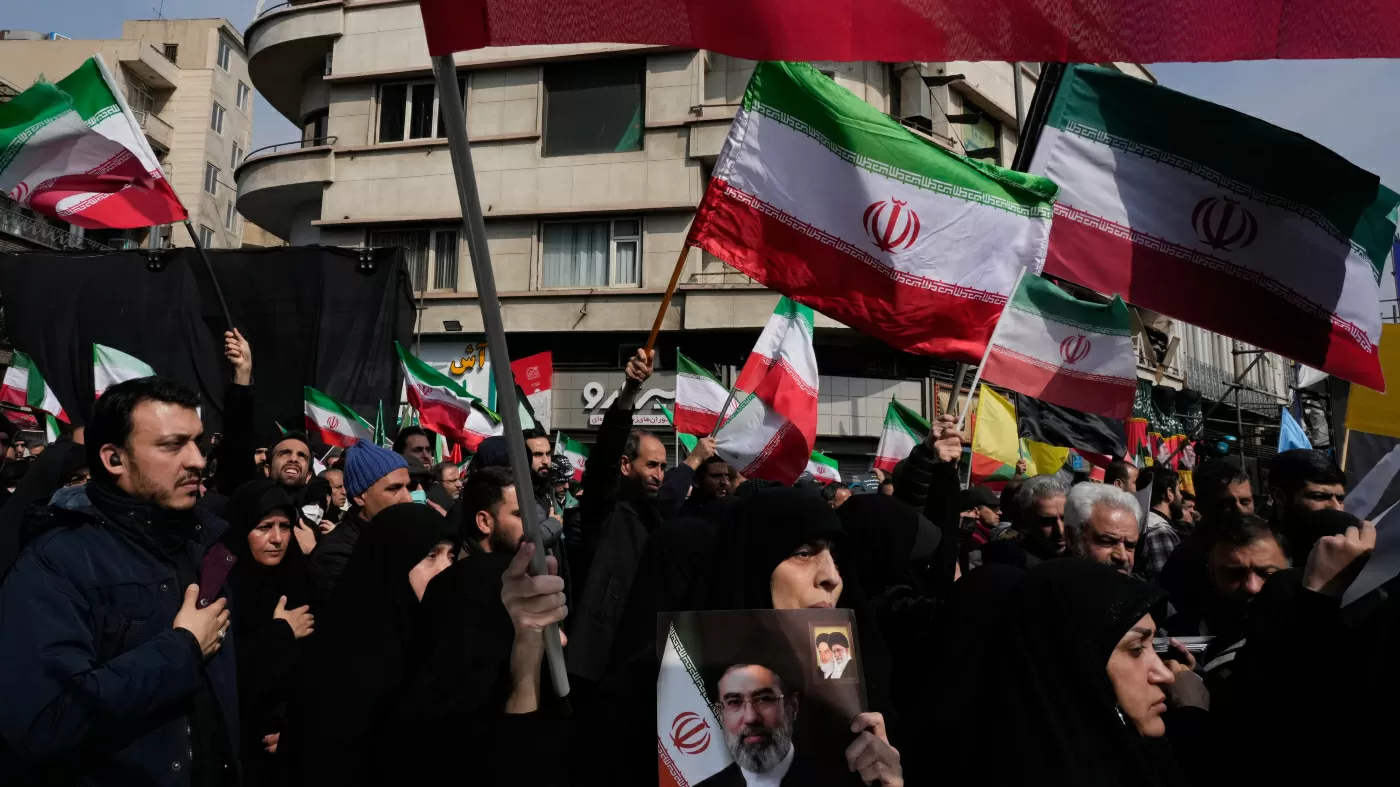
As tensions continue to rise between the United States and Iran, parents and educators are facing a difficult task – how to navigate conversations about the war with their children and students. With the constant stream of disturbing news and images flooding the internet, it has become increasingly challenging to shield children from the horrors of war. From the deaths of U.S. service members to a strike on an Iranian school that killed more than 150 people, the impact of this conflict is being felt by people of all ages.
The recent escalation of tensions between the two nations has sparked fear and uncertainty among parents and educators, who are struggling to find the right words to explain the situation to their children. Many are concerned about the potential psychological effects that exposure to such graphic and violent content can have on young minds. As a result, experts are warning that it is crucial for parents and educators to handle these conversations with care and sensitivity.
One of the main challenges that parents and educators face is how to address the topic of war with children of different ages. While older children may have a better understanding of the situation, younger children may struggle to comprehend the complexities of war. It is essential for parents and educators to tailor their approach based on the child’s age and level of understanding.
For younger children, it is important to keep the conversation simple and age-appropriate. Parents can start by asking their children what they already know about the situation and then fill in any gaps in their knowledge. It is crucial to reassure children that they are safe and that there are people working to resolve the conflict. Parents can also use this opportunity to teach children about empathy and the importance of peaceful conflict resolution.
For older children, it is essential to have open and honest conversations. Encourage them to ask questions and express their thoughts and feelings about the situation. It is crucial to listen to their concerns and validate their emotions. Parents and educators can also use this as an opportunity to educate children about the history and complexities of the conflict, promoting critical thinking and understanding.
In addition to having these conversations, it is also essential for parents and educators to monitor children’s exposure to news and social media. With the constant bombardment of graphic images and videos, it is easy for children to become desensitized to the horrors of war. It is crucial to limit their exposure and provide them with a safe and supportive environment to process their emotions.
Furthermore, parents and educators can also encourage children to take positive action in response to the conflict. This can include participating in peaceful protests, writing letters to government officials, or even volunteering for organizations that promote peace and humanitarian aid. By empowering children to take action, they can feel a sense of control and hope in the face of such a daunting situation.
It is also essential for parents and educators to take care of their own well-being during this time. As adults, we can often underestimate the impact that the news and images of war can have on our mental health. It is crucial to practice self-care and seek support from friends, family, or mental health professionals if needed. By taking care of ourselves, we can better support and guide our children through this difficult time.
In conclusion, as the war with Iran continues to dominate headlines, it is crucial for parents and educators to have open and honest conversations with children about the situation. By tailoring our approach based on the child’s age and level of understanding, limiting their exposure to graphic content, and encouraging positive action, we can help children navigate this challenging time. It is also essential for adults to take care of their own well-being to better support children through this difficult period. Let us work together to promote peace and understanding, both at home and in the world.
