
TRC Cases Inquiry Continues to Pursue Justice for Apartheid-Era Crimes
The Truth and Reconciliation Commission (TRC) Cases Inquiry, established to investigate the efforts to stall the prosecution of apartheid-era perpetrators, is making significant strides in its pursuit of justice for the victims of this dark period in South Africa’s history.
The TRC Cases Inquiry, headed by Advocate Dumisa Ntsebeza, was formed in 2019 to investigate the alleged interference and obstruction of justice in cases that were referred to the National Prosecuting Authority (NPA) by the TRC. These cases, which involved serious human rights violations committed during the apartheid era, were not pursued by the NPA, leading to widespread frustration and disappointment among victims and their families.
However, the TRC Cases Inquiry has brought renewed hope for justice as it continues to uncover evidence of deliberate efforts to stall the prosecution of apartheid-era perpetrators. The inquiry has been conducting public hearings and gathering testimonies from witnesses, victims, and experts to shed light on the reasons behind the failure to prosecute these cases.
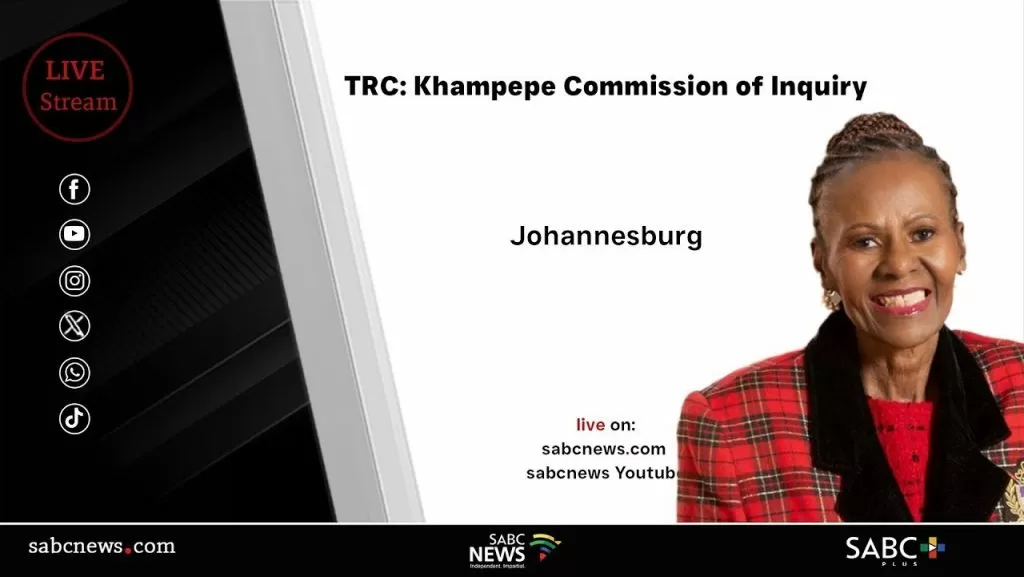
The latest public hearing, held in Johannesburg, heard testimonies from former TRC commissioners and senior NPA officials, who revealed shocking details of political interference and lack of political will to prosecute apartheid-era perpetrators. This has been a major stumbling block in the pursuit of justice for the victims and their families.
Advocate Ntsebeza, in his opening remarks, emphasized the importance of the TRC Cases Inquiry in uncovering the truth and ensuring that justice is served. He stated, “The TRC Cases Inquiry is not just about prosecuting individuals, it is about the truth and reconciliation process. It is about acknowledging the pain and suffering of the victims and their families and giving them closure.”
The TRC Cases Inquiry has also been working closely with the NPA to review the cases that were not pursued and to identify any possible prosecutions. This collaborative effort is a positive step towards ensuring that justice is served for the victims and their families.
The inquiry has also received support from various human rights organizations and civil society groups, who have commended its efforts in pursuing justice for the victims of apartheid-era crimes. They have also called for the swift prosecution of those responsible for these heinous crimes.
The TRC Cases Inquiry has highlighted the need for accountability and justice in post-apartheid South Africa. It has also brought to light the importance of addressing the legacy of apartheid and promoting reconciliation in the country.
As the inquiry continues its work, it is crucial for all South Africans to support its efforts and to ensure that the truth is revealed and justice is served. The victims and their families have waited far too long for justice, and it is time for their voices to be heard.
In conclusion, the TRC Cases Inquiry is a beacon of hope for the victims of apartheid-era crimes. Its unwavering commitment to uncovering the truth and pursuing justice is commendable and should be supported by all. Let us stand together in solidarity with the victims and their families and continue to strive for a just and reconciled South Africa.
