
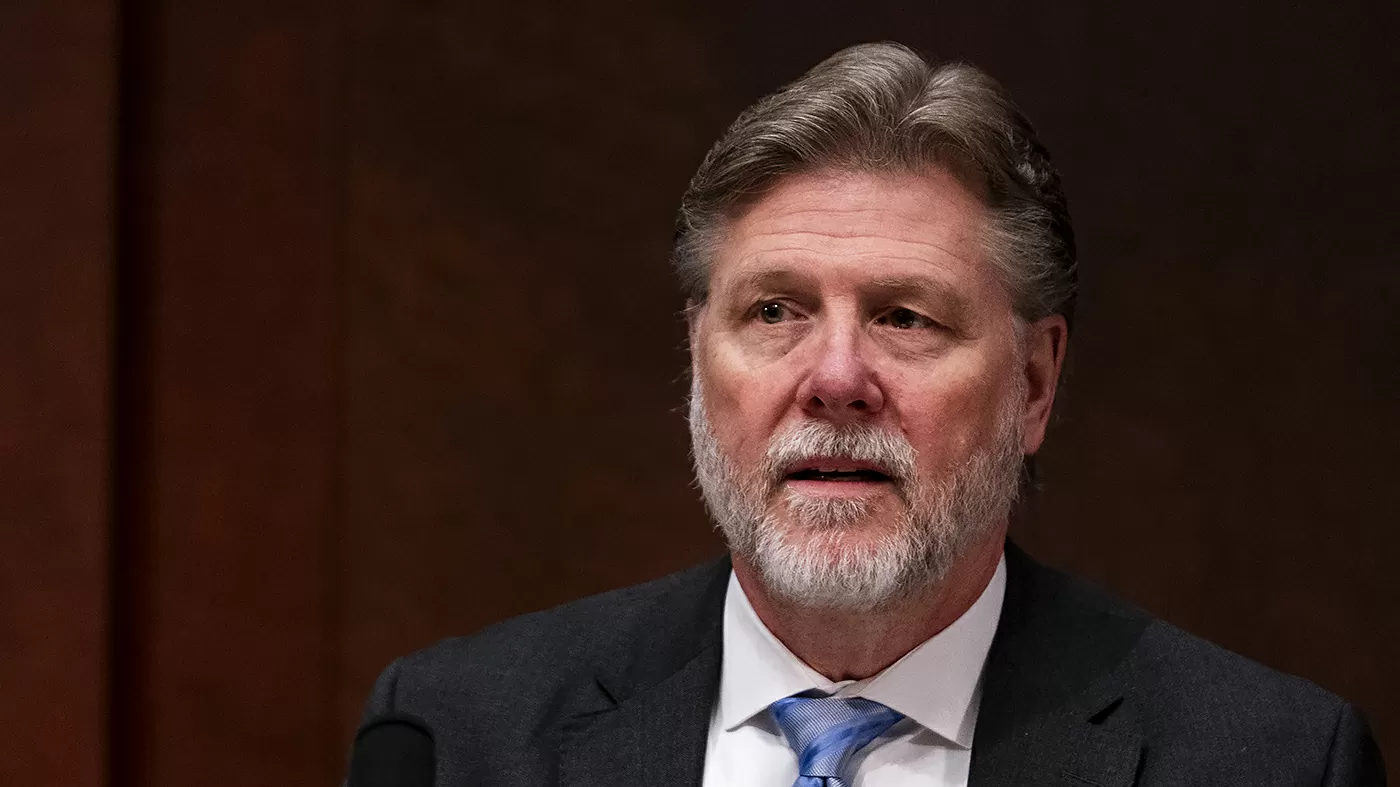
In a recent statement, Rep. Rick Crawford (R-Ark.) expressed concern over the current state of leadership in Iran. With reports surfacing that the country’s new supreme leader, Ayatollah Mojtaba Khamenei, was injured during the early days of the war, Crawford stated that the United States does not have a clear understanding of who is truly in charge in Iran.
Crawford’s comments come at a time of heightened tensions between the U.S. and Iran, with the two countries engaging in a war of words and escalating military actions. As the situation continues to unfold, it is crucial for the U.S. to have a solid understanding of the leadership structure in Iran in order to effectively navigate the complex political landscape.
The congressman’s concerns stem from reports that Ayatollah Mojtaba Khamenei, who succeeded his father Ayatollah Ali Khamenei as the supreme leader of Iran, was wounded and possibly disfigured in the early days of the war. While these reports have not been confirmed, they have raised questions about the stability and unity of Iran’s leadership.
Crawford’s assessment of a “fragmented leadership cadre” in Iran is a valid concern. With the country facing economic sanctions, internal political turmoil, and external military threats, it is not surprising that there may be divisions within the leadership. However, it is important to note that Iran has a complex political system, with multiple power centers and decision-making bodies. This makes it difficult to determine who holds the most influence and authority within the country.
Despite these challenges, the U.S. must continue to gather intelligence and closely monitor the situation in Iran. As a global superpower, it is our responsibility to have a clear understanding of the leadership structure of countries that may pose a threat to our national security. This knowledge is crucial in making informed decisions and developing effective strategies to address any potential threats.
Furthermore, it is important to approach the situation in Iran with caution and avoid making assumptions based on unconfirmed reports. In times of conflict, misinformation and propaganda can easily spread, making it essential for the U.S. to rely on verified sources and conduct thorough analysis before making any statements or taking action.
As tensions between the U.S. and Iran continue to escalate, it is crucial for both countries to maintain open lines of communication and engage in diplomatic efforts to de-escalate the situation. The U.S. must also work closely with its allies and the international community to address any potential threats and promote stability in the region.
In conclusion, Rep. Rick Crawford’s concerns about the leadership structure in Iran serve as a reminder of the complex political landscape in the country. As the situation continues to unfold, it is important for the U.S. to gather accurate information and maintain a cautious approach. By doing so, we can effectively address any potential threats and work towards a peaceful resolution.
