
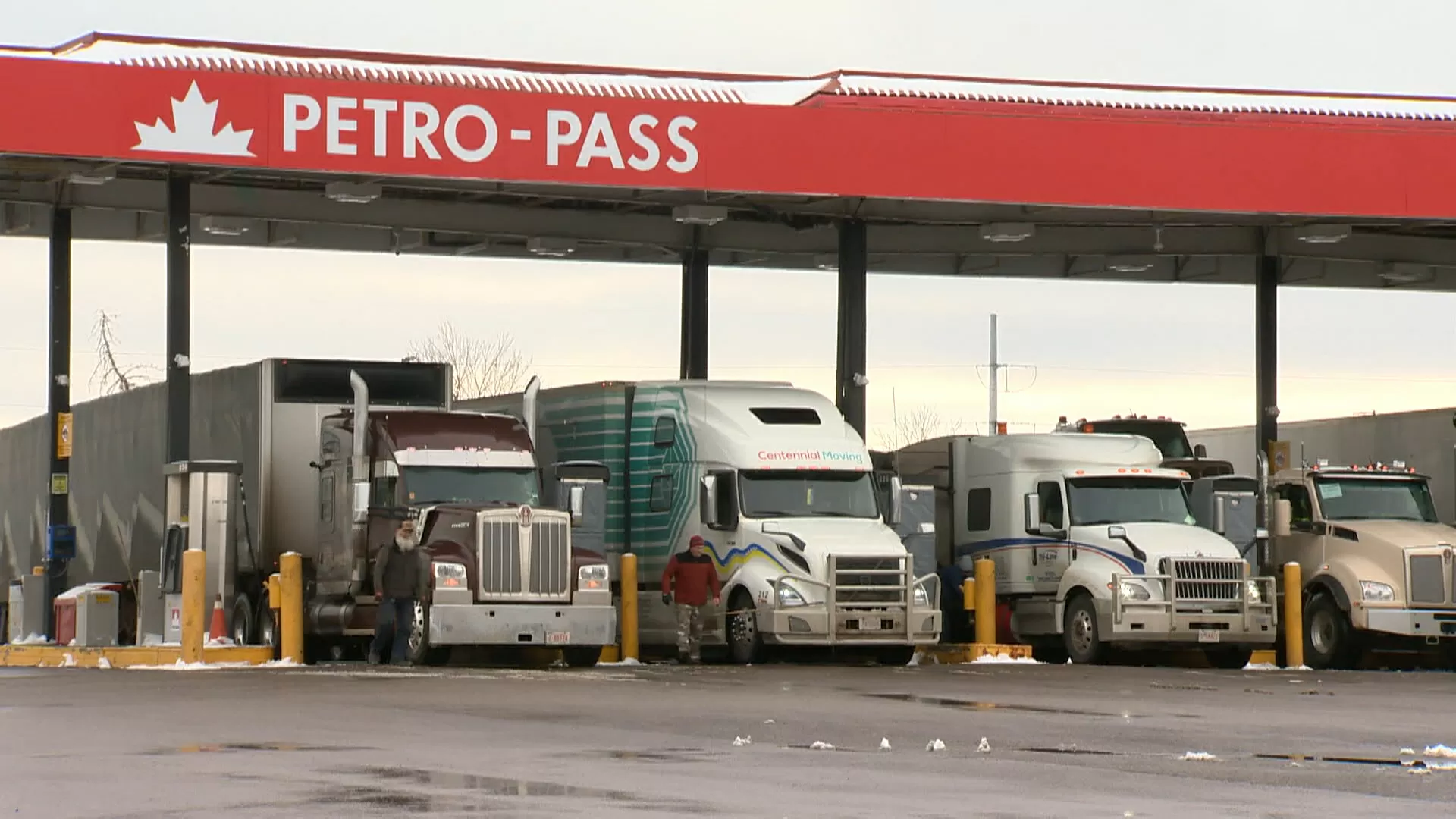
As the price of gasoline continues to rise, consumers are feeling the pinch in their wallets. But while the focus has been on the increasing cost of gasoline, another fuel is quietly creeping up in price and could soon have consumers digging even deeper into their pockets. That fuel is diesel.
Diesel, which is used to power trucks, buses, and other heavy-duty vehicles, has seen a sharp increase in price in recent months. According to the Energy Information Administration, the average price of diesel in the United States has risen by over 20% in the past year. This is significantly higher than the 12% increase in gasoline prices during the same period.
The spike in diesel prices is due to a combination of factors. One of the main reasons is the growing demand for diesel in the transportation sector. With the economy picking up and more goods being transported across the country, the demand for diesel has increased. This has put pressure on the supply, causing prices to rise.
Another factor contributing to the rise in diesel prices is the increase in crude oil prices. Diesel is derived from crude oil, and as the price of crude oil goes up, so does the price of diesel. The recent decision by OPEC to cut production has also played a role in the increase in crude oil prices, and subsequently, diesel prices.
The impact of the rising diesel prices is not limited to just the transportation sector. It also affects the prices of goods and services. As the cost of transporting goods goes up, businesses are forced to pass on the additional costs to consumers. This means that consumers will not only be paying more for fuel, but also for the products they purchase.
The rise in diesel prices is also having a significant impact on the agriculture industry. Farmers rely heavily on diesel to power their tractors and other equipment. With the increase in diesel prices, the cost of producing crops has gone up, and this could lead to higher food prices for consumers.
So what does this mean for consumers? It means that they will have to dig even deeper into their pockets to cover the cost of fuel. With the price of diesel expected to continue rising, consumers will have to make some adjustments to their budgets. This could mean cutting back on other expenses or finding ways to save on fuel costs.
However, it’s not all doom and gloom. The rise in diesel prices could also have some positive effects. For one, it could encourage the development and use of alternative fuels. As consumers and businesses look for ways to reduce their fuel costs, they may turn to alternative fuels such as electric or hybrid vehicles. This could lead to a decrease in demand for diesel, which could help stabilize prices in the long run.
Moreover, the increase in diesel prices could also lead to more investment in renewable energy sources. As the world becomes more aware of the negative impact of fossil fuels on the environment, there is a growing push towards cleaner and more sustainable energy sources. The rise in diesel prices could accelerate this shift and lead to a greener and more sustainable future.
In conclusion, while the spike in gasoline prices has been making headlines, the increase in diesel prices should not be overlooked. It is having a significant impact on consumers and businesses, and could continue to rise in the coming months. However, this could also lead to positive changes in the long run, such as the development of alternative fuels and a shift towards renewable energy sources. As consumers, we must be mindful of our fuel consumption and look for ways to reduce our dependence on diesel. Together, we can navigate through these challenging times and create a more sustainable future for ourselves and the planet.
