
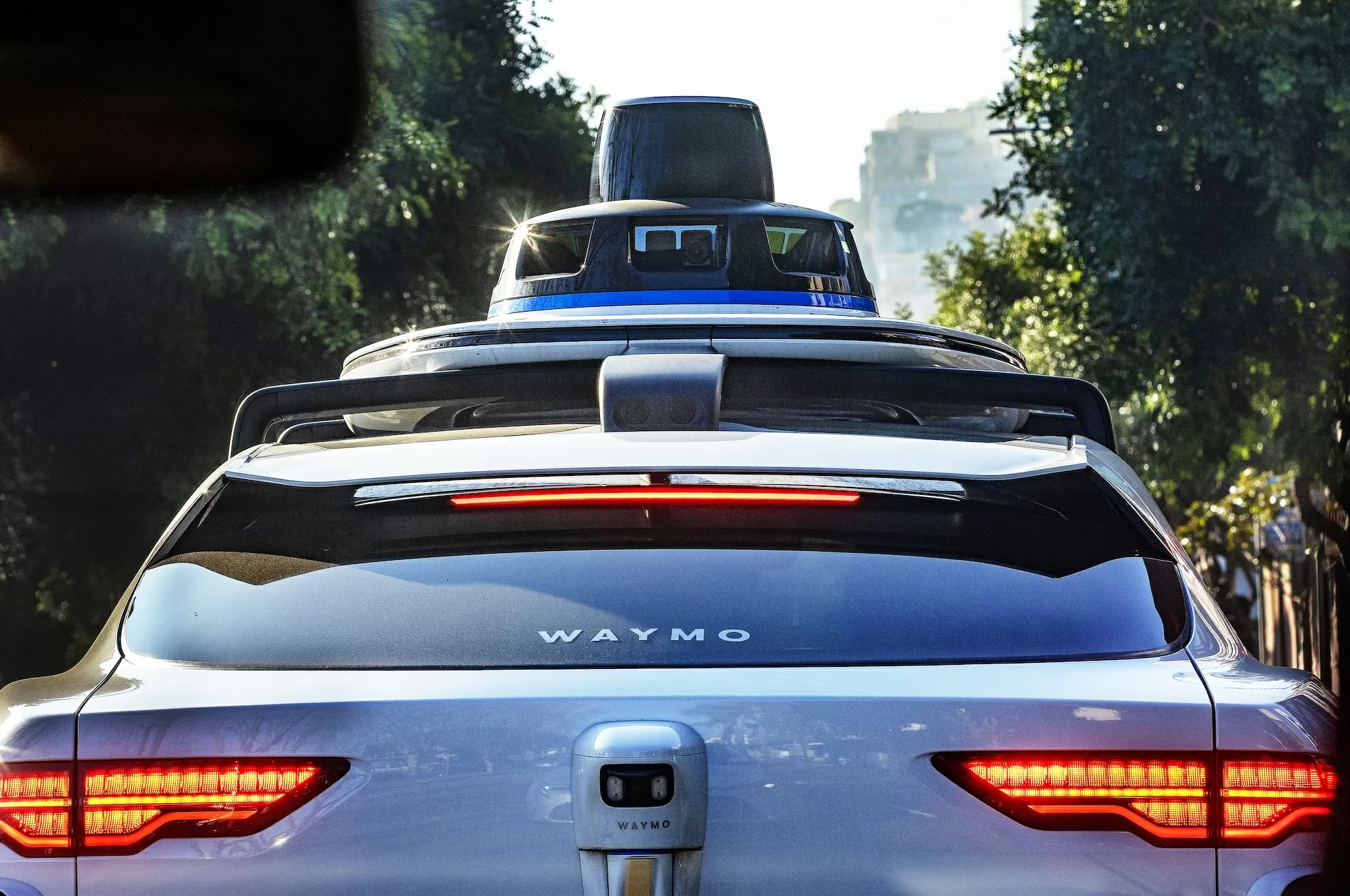
In a recent investigation led by Senator Ed Markey, seven major players in the autonomous vehicle industry have refused to disclose their safety data. These companies include Aurora, May Mobility, Motional, Nuro, Tesla, Waymo, and Zoox. This revelation has raised concerns about the transparency and accountability of these companies in ensuring the safety of their self-driving technology.
The investigation, which was conducted by the Senate Commerce Committee, aimed to assess the progress and safety measures of companies developing autonomous vehicles. However, the lack of cooperation from these seven companies has hindered the committee’s efforts to gain a comprehensive understanding of the safety protocols and performance of their self-driving technology.
Aurora, May Mobility, Motional, Nuro, Tesla, Waymo, and Zoox are all leaders in the race towards fully autonomous vehicles. These companies have invested significant resources and expertise in developing self-driving technology that promises to revolutionize the way we travel. However, their reluctance to share safety data raises questions about their commitment to ensuring the safety of their technology.
Senator Markey, who has been a vocal advocate for autonomous vehicle safety, expressed disappointment in the companies’ refusal to provide safety data. He stated, “The American public deserves to know whether self-driving cars are safe before they hit the roads. These companies have a responsibility to be transparent and accountable in their development of autonomous vehicles.”
The lack of transparency from these companies is particularly concerning as the number of accidents involving autonomous vehicles has been on the rise. In March 2018, an Uber self-driving car struck and killed a pedestrian in Arizona, highlighting the potential dangers of this technology. This incident sparked a nationwide debate on the safety and regulation of autonomous vehicles.
In response to the investigation, the companies have cited various reasons for their refusal to disclose safety data. Some have claimed that the data is confidential and could give competitors an advantage. Others have argued that the data is constantly evolving and may not accurately reflect the current state of their technology.
While these reasons may seem valid, it is crucial for these companies to understand that transparency and accountability are essential in gaining public trust and acceptance of autonomous vehicles. The American public has the right to know the safety measures and performance of self-driving technology before it is deployed on public roads.
Moreover, the lack of transparency from these companies could also hinder the development and regulation of autonomous vehicles. Without access to safety data, policymakers and regulators may struggle to create effective laws and regulations to ensure the safe deployment of self-driving technology.
In contrast, companies like General Motors’ Cruise and Ford’s Argo AI have been more forthcoming in sharing their safety data with the Senate Commerce Committee. This level of transparency not only demonstrates their commitment to safety but also helps in building public trust in their technology.
In the wake of this investigation, it is imperative for all companies developing autonomous vehicles to prioritize transparency and accountability. They must understand that the success of this technology depends on the public’s trust and acceptance. By sharing safety data, these companies can assure the public that they are taking all necessary measures to ensure the safety of their self-driving technology.
In conclusion, the refusal of Aurora, May Mobility, Motional, Nuro, Tesla, Waymo, and Zoox to disclose safety data during Senator Ed Markey’s investigation is a cause for concern. It raises questions about their commitment to transparency and accountability in the development of autonomous vehicles. These companies must understand that transparency is crucial in gaining public trust and acceptance of this technology. It is time for them to prioritize safety and share their data with policymakers, regulators, and the public. Only then can we truly embrace the potential of autonomous vehicles and create a safer future for all.
