
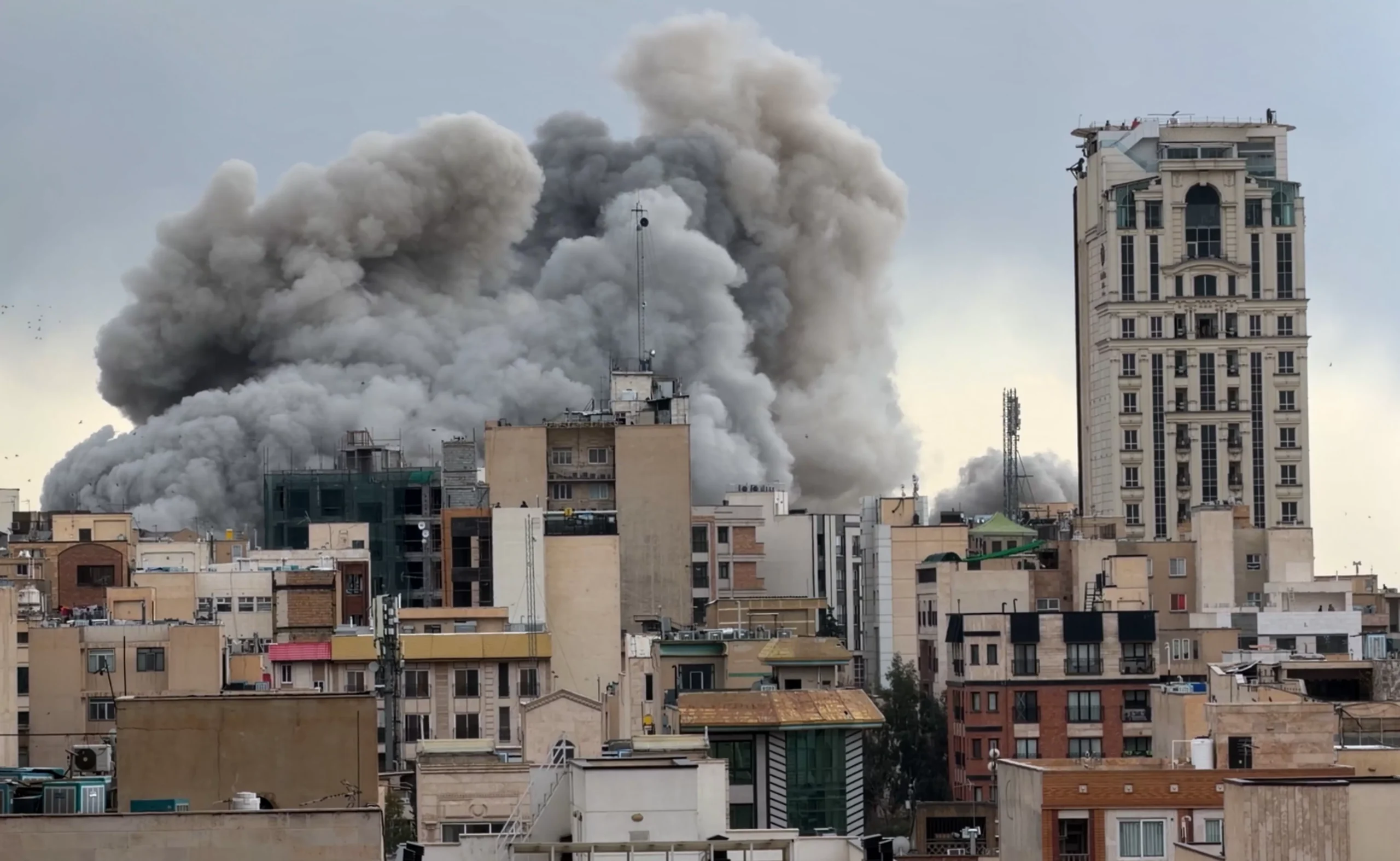
The recent events in Iran have left the world in shock and disbelief. Just weeks ago, students in the country were bravely protesting against the oppressive regime, demanding change and freedom. But now, the same universities where these students once stood up for their rights have been reduced to rubble in the aftermath of the war. It is a heartbreaking sight to see the destruction of almost two dozen universities in Iran, raising questions about the morality of attacking academic institutions.
The war between Iran and the United States has caused immense damage to the country, both physically and emotionally. The loss of innocent lives and the destruction of homes and infrastructure are devastating enough, but the targeting of universities is a whole new level of destruction. These institutions are the backbone of any society, where knowledge is nurtured and future leaders are educated. The attack on universities is not just an attack on buildings, but an attack on the future of Iran.
The images of the once bustling campuses now reduced to rubble are a stark reminder of the consequences of war. The classrooms, libraries, and laboratories that were once filled with eager students and dedicated teachers are now nothing but debris. The destruction of these universities has not only disrupted the education of thousands of students but has also caused irreparable damage to the country’s academic and research capabilities.
The targeting of universities in Iran has raised concerns about the violation of international laws and the possibility of these attacks being considered as war crimes. According to the Geneva Conventions, it is prohibited to attack educational institutions, as they are considered civilian objects and should be protected during armed conflicts. The deliberate targeting of universities is a clear violation of these conventions and must be condemned by the international community.
The Iranian government has accused the United States of deliberately targeting universities in their airstrikes, and the evidence seems to support their claims. The U.S. has a long history of attacking academic institutions in the Middle East, and this recent attack on Iranian universities only adds to their track record. It is a blatant disregard for the lives and future of the students and faculty members who were caught in the crossfire.
In response to these attacks, Iran has threatened to retaliate against U.S.-affiliated schools in the country. This would only escalate the situation and cause further damage to the already fragile education system in Iran. It is crucial for both sides to exercise restraint and refrain from targeting academic institutions, as they are vital for the future of the country.
The destruction of universities in Iran is not just a loss for the country but for the entire world. These institutions have produced some of the brightest minds and have contributed significantly to the advancement of knowledge and research. The attack on universities is not just a loss for Iran but for the entire global academic community.
As we witness the devastating aftermath of the war in Iran, it is essential to remember that education is the key to rebuilding and moving forward. The students and faculty members who have lost their universities must not lose hope. They must continue to strive for knowledge and education, even in the face of adversity. The international community must also come together to support and rebuild the damaged universities in Iran, as a symbol of solidarity and hope for a better future.
In conclusion, the destruction of universities in Iran is a tragic consequence of the ongoing war. The attack on these academic institutions is not just a violation of international laws but also a blow to the future of the country. It is time for the international community to come together and condemn these attacks and support the rebuilding of these universities. Let us not forget that education is the foundation of progress and peace, and it must be protected at all costs.
