
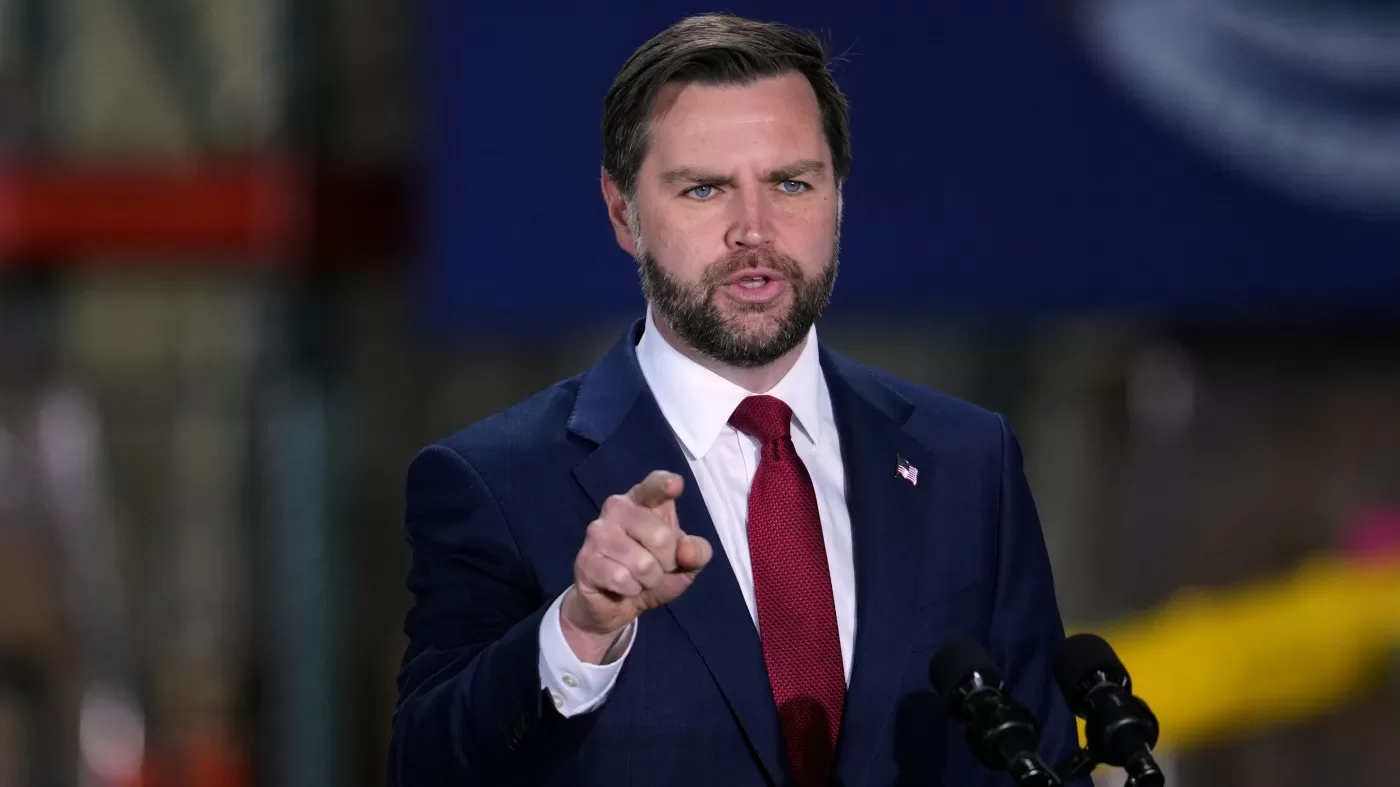
In a recent report by The New York Times, it was revealed that Vice President Vance opposed President Trump’s decision to authorize full-scale strikes against Iran. According to the upcoming book “Regime Change: Inside the Imperial Presidency of Donald Trump” by journalists Jonathan Swan and Maggie Haberman, Vance expressed his skepticism about the United States joining Israel in launching an attack on Iran.
This revelation sheds light on the internal conflicts within the Trump administration when it came to foreign policy decisions. As the Vice President, Vance had a significant role in advising and guiding President Trump on matters of national security. And his opposition to the proposed strikes against Iran highlights the importance of having a balanced and thoughtful approach towards such critical decisions.
According to the report, Vance’s concerns were primarily driven by the potential consequences of a full-scale attack on Iran. The Vice President believed that such an action could lead to a broader and more prolonged conflict in the region, causing further destabilization and risking American lives. His reservations were also shared by other top officials in the administration, who cautioned against rash and impulsive actions.
In the face of escalating tensions between the United States and Iran, it was essential to have level-headed leaders like Vice President Vance, who understood the gravity of the situation and the implications of a military intervention. His voice of reason and caution served as a critical check on the President’s impulsive and aggressive foreign policy tendencies.
Moreover, Vance’s opposition to the full-scale strikes against Iran also speaks to his commitment to upholding American values and principles. As a nation, we believe in the importance of diplomacy and peaceful resolutions to conflicts. The Vice President’s stance reflected this belief and demonstrated his dedication to preserving America’s global reputation as a leader in promoting peace and stability.
The New York Times report also sheds light on the strained relationship between the United States and its long-time ally, Israel. While Israel has long advocated for a more aggressive approach towards Iran, Vice President Vance’s skepticism highlights the lack of consensus within the Trump administration on how to handle the situation.
It is not surprising that President Trump’s decision to authorize full-scale strikes against Iran was met with opposition from some of his top officials. Throughout his time in office, the President’s impulsive and unpredictable nature has often caused friction and dissent within his administration. But it is vital to have leaders like Vice President Vance, who can offer a more measured and strategic approach to tackling complex foreign policy issues.
In the end, President Trump did not go through with the proposed strikes against Iran, and the situation was diffused through diplomatic efforts. However, the revelations in the upcoming book by Swan and Haberman serve as a reminder of the importance of having thoughtful and rational leaders in positions of power to prevent hasty and reckless decision-making.
It is commendable that Vice President Vance stood his ground and expressed his doubts about the proposed strikes. His stance serves as a testament to his leadership and his unwavering commitment to upholding American values and protecting the nation’s best interests.
In conclusion, the report by The New York Times sheds light on the internal conflicts and divisions within the Trump administration when it came to dealing with Iran. Vice President Vance’s opposition to the full-scale strikes against Iran serves as a reminder of the importance of having thoughtful and rational leaders at the highest levels of government. As a nation, we must value and support leaders who prioritize diplomacy and peaceful resolutions over impulsive and reckless military interventions.
