
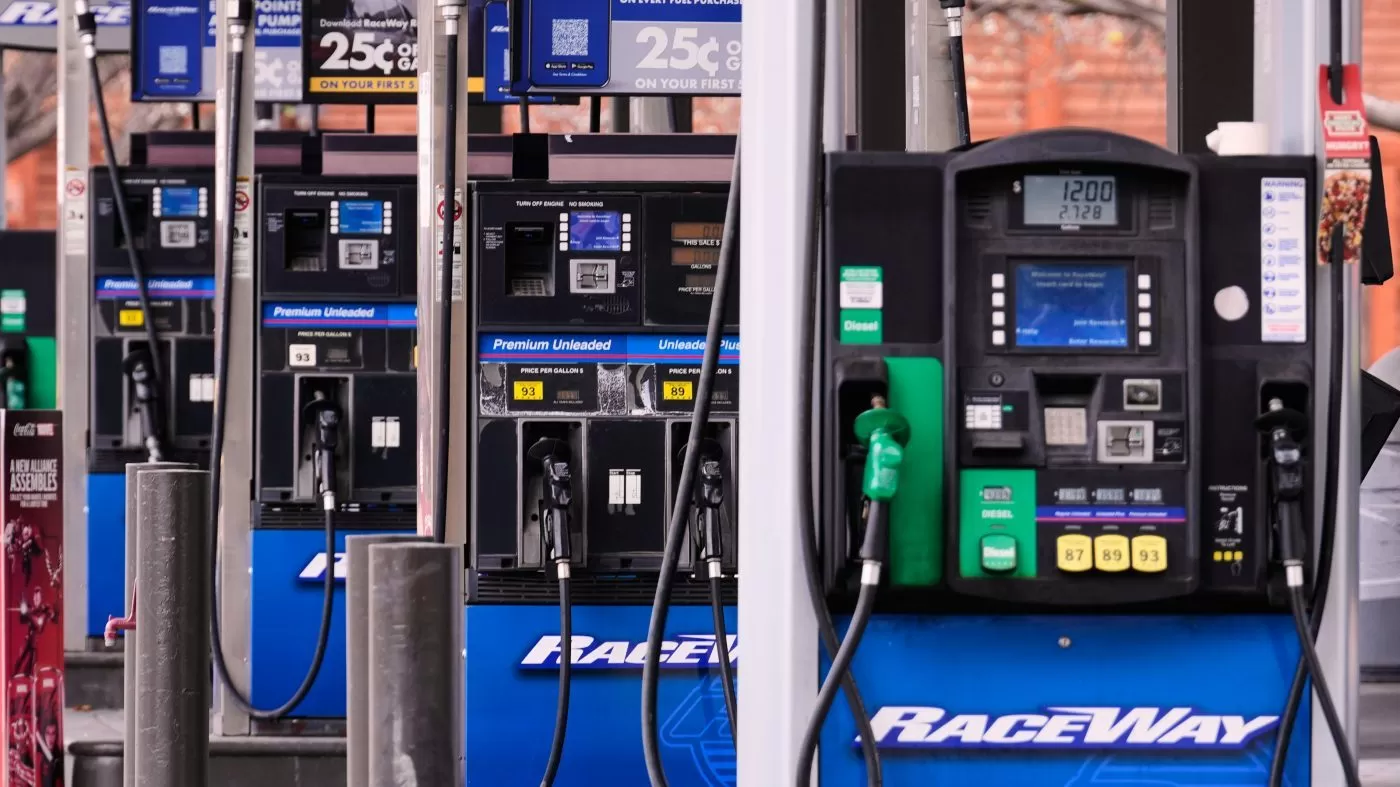
The ongoing conflict between the United States and Iran has taken a toll on Americans, with the cost of the war weighing heavily on their minds. As joint operations between the U.S. and Israel continue into a sixth week, a recent poll conducted by the Pew Research Center has revealed that 7 in 10 Americans are concerned about the impact of the conflict on gas prices.
The survey, released on Tuesday, sheds light on the growing concerns of Americans as the conflict in Iran continues to escalate. The rise in gas prices, a direct result of the ongoing conflict, has become a major cause for worry among the American public. With prices at the pump steadily increasing, it is no surprise that the cost of the war has become a top concern for many.
The new poll, which surveyed over 1,000 American adults, found that a majority of Americans are feeling the effects of the conflict in their daily lives. The rising gas prices have not only impacted their wallets, but have also caused disruptions in their daily routines. Commuters are feeling the pinch as they have to spend more on gas, while small business owners are struggling to keep up with the increasing cost of transportation for their goods and services.
The conflict in Iran has also brought to light the vulnerability of the global oil market and how any disruption can have a ripple effect on the economies of countries around the world. As one of the biggest consumers of oil, the U.S. is heavily dependent on stable oil prices for its economic growth. Unfortunately, the ongoing conflict has caused a spike in oil prices, which has further added to the concerns of Americans.
The Pew Research Center survey also revealed that the impact of the rising gas prices is not limited to just a certain section of American society. The concern is shared across all demographics, with both Republicans and Democrats expressing worry about the cost of the war. This highlights the widespread impact of the conflict and how it is affecting every American, regardless of their political beliefs.
As the conflict in Iran continues, it is important to consider the long-term effects it could have on the American economy. The rising gas prices not only affect the daily lives of Americans, but also have the potential to slow down economic growth and increase inflation. This could have a domino effect on other sectors, leading to a downturn in the overall economy.
In light of these concerns, it is crucial for the U.S. government to carefully consider its actions and find a resolution to the conflict. The cost of the war is not just a financial burden on Americans, but it is also taking a toll on their mental well-being. The constant worry and uncertainty about the future is a heavy weight to bear, especially for those who are struggling to make ends meet.
It is also important to note that the conflict in Iran is not just a financial issue, but it also has human implications. The lives of innocent civilians are at risk and the ongoing violence and destruction is causing immense suffering. As Americans, we must not forget the human cost of war and continue to urge our leaders to seek a peaceful resolution.
In these trying times, it is important for us to come together as a nation and support one another. We must also remember to be mindful of our consumption and find ways to reduce our dependence on oil. Small changes in our daily habits, such as carpooling or using public transportation, can go a long way in reducing our carbon footprint and lessening the impact of rising gas prices.
In conclusion, the cost of the Iran war is not just a financial burden, but it is also taking a toll on the American people. As the conflict continues, it is important for our leaders to find a resolution that will not only bring stability to the region, but also alleviate the concerns of the American public. Let us hope for a swift and peaceful resolution to this ongoing conflict.
