
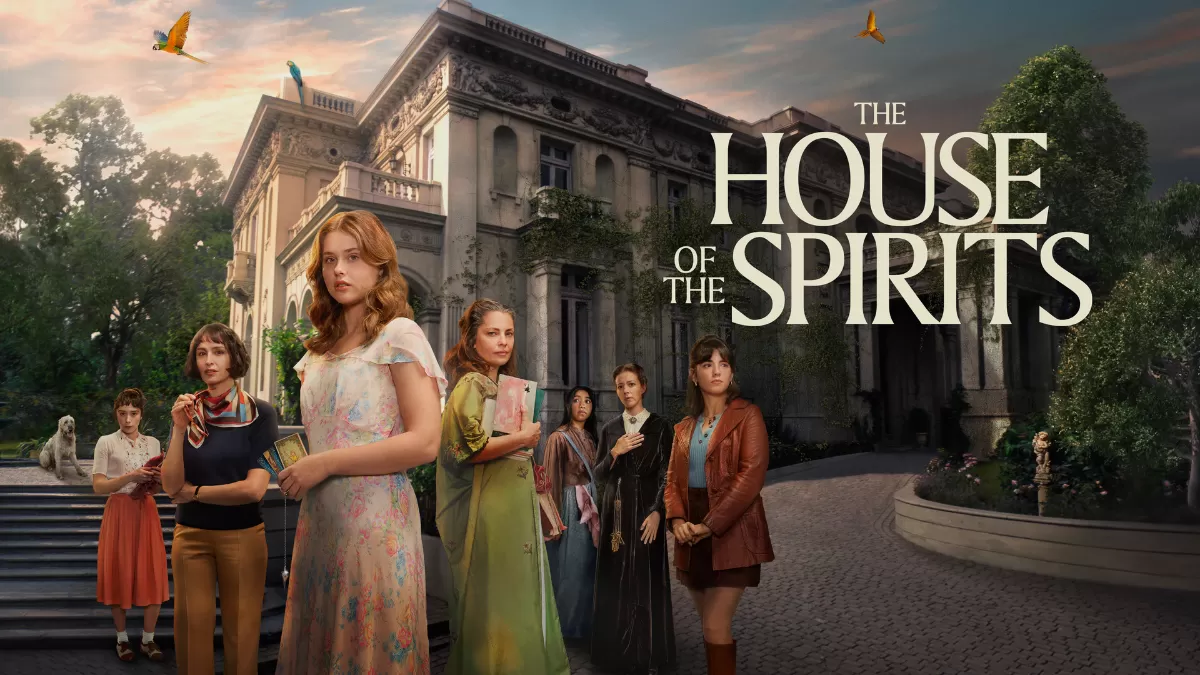
The House of the Spirits by Isabel Allende is a captivating novel that takes readers on a journey through the lives of the Trueba family, spanning three generations. Set in Chile, the story follows the lives of the Trueba family members as they navigate through love, power, and rebellion in a patriarchal society. With its richly developed characters and intricate plot, The House of the Spirits is a powerful and thought-provoking generational saga that explores the complexities of family dynamics and societal norms.
At the heart of the novel is the patriarch of the Trueba family, Esteban Trueba. A man of great ambition and determination, Esteban is driven by his desire for power and control. He is a product of the patriarchal society in which he lives, where men are expected to be dominant and women are expected to be subservient. This mindset is reflected in his relationships with the women in his life, including his wife Clara and his daughter Blanca. However, as the story unfolds, we see how Esteban’s rigid beliefs are challenged and how he is forced to confront the consequences of his actions.
One of the most striking themes in The House of the Spirits is the portrayal of love in all its forms. From the passionate love between Esteban and Clara to the forbidden love between Blanca and Pedro Tercero, the novel explores the complexities of love and its ability to transcend societal norms. Through the characters’ relationships, Allende shows how love can be a powerful force that can bring people together, but also tear them apart.
The novel also delves into the theme of power and its corrupting influence. Esteban’s thirst for power leads him to make ruthless decisions, causing harm to those around him. His obsession with maintaining control over his family and his land blinds him to the suffering of others. However, as the story progresses, we see how power can also be used for good, as seen through the actions of characters like Clara and Alba, who use their influence to fight for justice and equality.
Another significant aspect of The House of the Spirits is the portrayal of rebellion. The novel is set against the backdrop of political turmoil in Chile, and the characters’ lives are deeply affected by the changing political landscape. As the younger generation comes of age, they begin to question the oppressive societal norms and rebel against the status quo. This rebellion is not limited to political activism but also extends to personal relationships, as seen through the characters’ defiance of traditional gender roles.
Allende’s writing is both lyrical and evocative, transporting readers to the world of the Trueba family. Her vivid descriptions of the Chilean landscape and the characters’ inner thoughts and emotions make the story come alive. The use of magical realism adds an element of mystique to the novel, blurring the lines between reality and fantasy.
The House of the Spirits is a testament to Allende’s skill as a storyteller. She weaves together the lives of multiple characters, spanning several decades, in a seamless and engaging manner. Each character is fully developed, with their own unique struggles and desires, making them relatable and human.
In conclusion, The House of the Spirits is a powerful and poignant novel that explores the complexities of love, power, and rebellion in a patriarchal family. Allende’s masterful storytelling and thought-provoking themes make this book a must-read for anyone interested in family sagas and societal norms. It is a timeless tale that will stay with readers long after they have turned the last page.
