
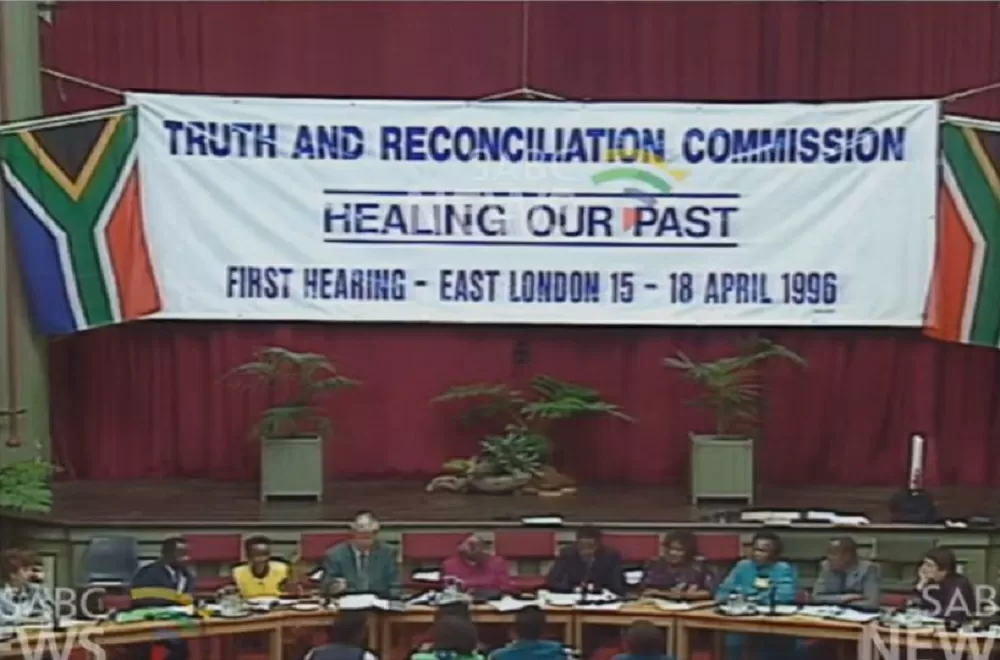
In 1966, the United Nations General Assembly took a historic step towards justice and equality by declaring apartheid a crime against humanity. This landmark resolution marked a turning point in the fight against racial discrimination and oppression, and served as a powerful reminder of the UN’s commitment to promoting human rights and dignity for all.
Apartheid, which means “separateness” in Afrikaans, was a system of institutionalized racial segregation and discrimination that was enforced in South Africa from 1948 to 1994. Under this system, the white minority government imposed strict laws and policies that systematically oppressed and marginalized the black majority population. These laws restricted the movement, education, and employment opportunities of black South Africans, and denied them basic human rights such as the right to vote and own property.
For decades, the people of South Africa, along with the international community, had been calling for an end to apartheid and the injustices it perpetuated. The UN had been at the forefront of this struggle, with the General Assembly passing numerous resolutions condemning apartheid and calling for its eradication. However, it was not until 1966 that the UN took the bold step of declaring apartheid a crime against humanity.
This declaration was a significant moment in the fight against apartheid, as it recognized the system as a grave violation of human rights and a threat to international peace and security. It also sent a strong message to the South African government that the world was united in its condemnation of their discriminatory policies.
The UN’s declaration was not just a symbolic gesture. It had real consequences for the South African government and its leaders. The resolution called upon all states to impose economic, cultural, and other sanctions against South Africa in order to isolate and pressure the government to end apartheid. This led to a global movement of boycotts, divestment, and sanctions that put immense pressure on the South African government and played a crucial role in bringing an end to apartheid.
Moreover, the declaration also paved the way for the establishment of the International Convention on the Suppression and Punishment of the Crime of Apartheid in 1973. This convention defined apartheid as a crime against humanity and made it an international crime, subject to punishment by the International Criminal Court. This further strengthened the legal framework for holding the perpetrators of apartheid accountable for their actions.
The UN’s declaration also had a profound impact on the people of South Africa. It gave hope and encouragement to those who had been fighting against apartheid and inspired them to continue their struggle for justice and equality. It also provided a sense of solidarity and support from the international community, which played a crucial role in sustaining the anti-apartheid movement.
Today, we look back at the UN’s declaration with pride and admiration. It was a bold and courageous move that demonstrated the UN’s commitment to promoting human rights and standing up against injustice. It also serves as a reminder of the power of international cooperation and solidarity in bringing about positive change.
However, we must also acknowledge that the fight against apartheid was not an easy one, and it took the sacrifices and struggles of countless individuals and organizations to achieve this victory. We must honor and remember their efforts and continue to work towards creating a world where all people are treated with dignity and respect, regardless of their race, ethnicity, or background.
In conclusion, the UN’s declaration in 1966 was a significant milestone in the fight against apartheid. It not only condemned the system as a crime against humanity but also led to concrete actions and measures that helped bring an end to apartheid. Today, we must continue to uphold the principles of this declaration and work towards creating a world free from discrimination and oppression. As Nelson Mandela once said, “As long as poverty, injustice and gross inequality persist in our world, none of us can truly rest.” Let us all strive towards a world where justice and equality prevail for all.
