
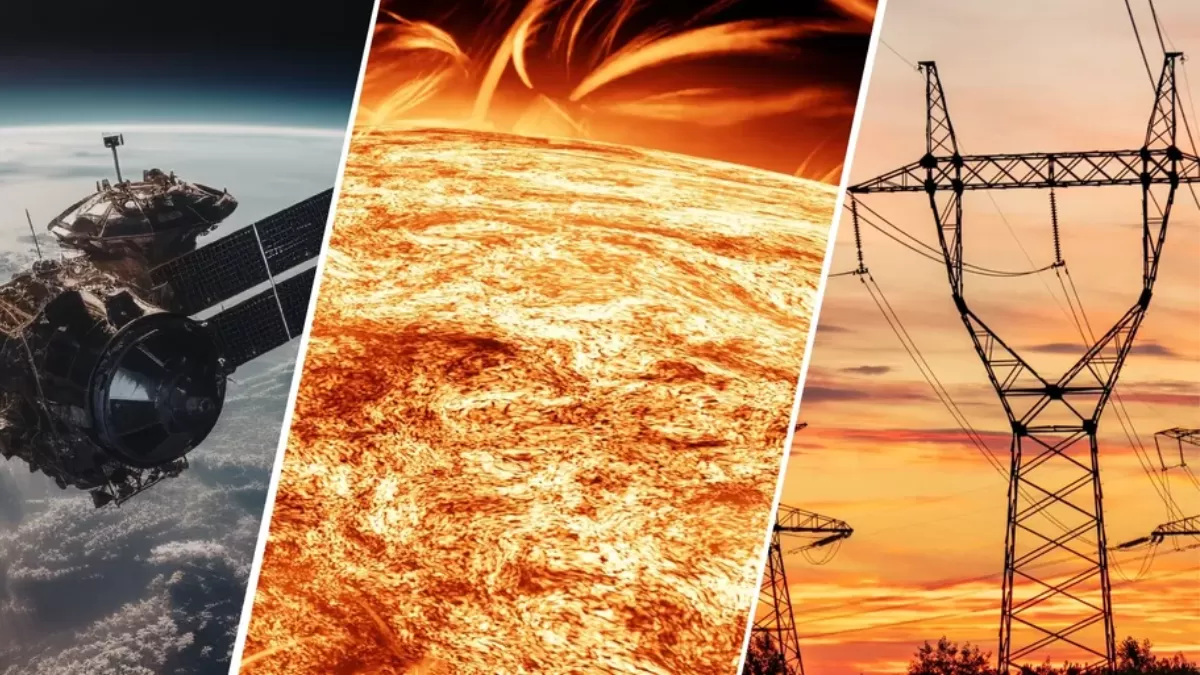
A Solar Superstorm: A Rare But Real Threat to Modern Infrastructure
In September 1859, a massive solar storm rocked the Earth, causing an intense geomagnetic storm and auroras that were seen around the world. Known as the Carrington Event, it was the most powerful solar storm in recorded history. But what many people don’t know is that a similar event could happen again, and it could have a devastating impact on our modern infrastructure.
Scientists have long known about the potential dangers of solar storms, also known as space weather. These storms occur when the sun releases a significant amount of energy in the form of solar flares and coronal mass ejections (CMEs). These eruptions can send billions of tons of charged particles hurtling towards Earth, disrupting our planet’s magnetic field and causing geomagnetic storms.
While these events are rare, occurring only once or twice every century, they have the potential to cause widespread chaos and damage. In today’s technology-driven world, where satellites, GPS, and power grids are essential for our daily lives, the threat of a solar superstorm like the Carrington Event is even more significant.
The Impact of a Solar Superstorm
The effects of a solar superstorm on our modern infrastructure could be catastrophic. Satellites, which are crucial for communication, navigation, and weather forecasting, could be damaged or destroyed by the intense radiation from a solar storm. This could lead to disruptions in telecommunications, internet services, and even air travel.
GPS systems, which are used for navigation in everything from cars to airplanes, could also be affected by a solar storm. The satellite signals could be distorted, leading to errors in navigation and potentially causing accidents. This could have a significant impact on the transportation industry and could also affect emergency services, making it difficult for them to respond to crises.
But perhaps the most concerning threat of a solar superstorm is to our power grids. The intense magnetic fields from a solar storm could induce powerful currents in the Earth’s surface, overwhelming and damaging our electricity infrastructure. This could lead to widespread blackouts that could last for days, weeks, or even months, depending on the severity of the storm. In today’s society, where we rely heavily on electricity for everything from heating our homes to powering our hospitals, a prolonged blackout could have serious consequences.
Reducing the Risks
While the threat of a solar superstorm is real, it is not something that we should panic about. Scientists have been studying space weather for decades and have made significant progress in understanding and predicting these events. With advanced technology and improved monitoring systems, we now have the ability to detect and track solar storms, giving us time to prepare and mitigate their potential impact.
Additionally, governments and organizations around the world have been working on implementing safeguards to protect our critical infrastructure from the effects of a solar superstorm. For example, power grids can be equipped with devices that can automatically disconnect during a solar storm to prevent damage. Satellites can also be designed to withstand the intense radiation and magnetic fields from a solar storm.
But more needs to be done. As our reliance on technology continues to grow, we must continue to invest in research and infrastructure to better prepare for and mitigate the effects of a solar superstorm. This includes developing more advanced warning systems, improving our understanding of the sun and its behavior, and implementing stronger safeguards for our critical infrastructure.
Final Thoughts
The Carrington Event of 1859 serves as a reminder of the power and unpredictability of the sun. While the chances of a similar event happening are low, we cannot afford to ignore the potential risks. The impact of a solar superstorm on our modern infrastructure could be devastating, but with improved monitoring, safeguards, and continued research, we can reduce the risks and be better prepared for such an event.
As we continue to advance technologically, it is crucial that we also prioritize the protection of our infrastructure against natural disasters like solar storms. The future of our modern society depends on it. So let us not fear the sun, but instead, let us work towards understanding and harnessing its power while also ensuring our safety and resilience in the face of a solar superstorm.
