
Iran’s Islamic Revolutionary Guard Corps (IRGC) has once again made headlines for its aggressive actions in the Strait of Hormuz. On Wednesday, the IRGC attacked multiple ships in the strategic waterway, just hours after President Trump extended the ceasefire indefinitely. This latest incident has raised concerns about the stability of the region and the potential for further escalation.
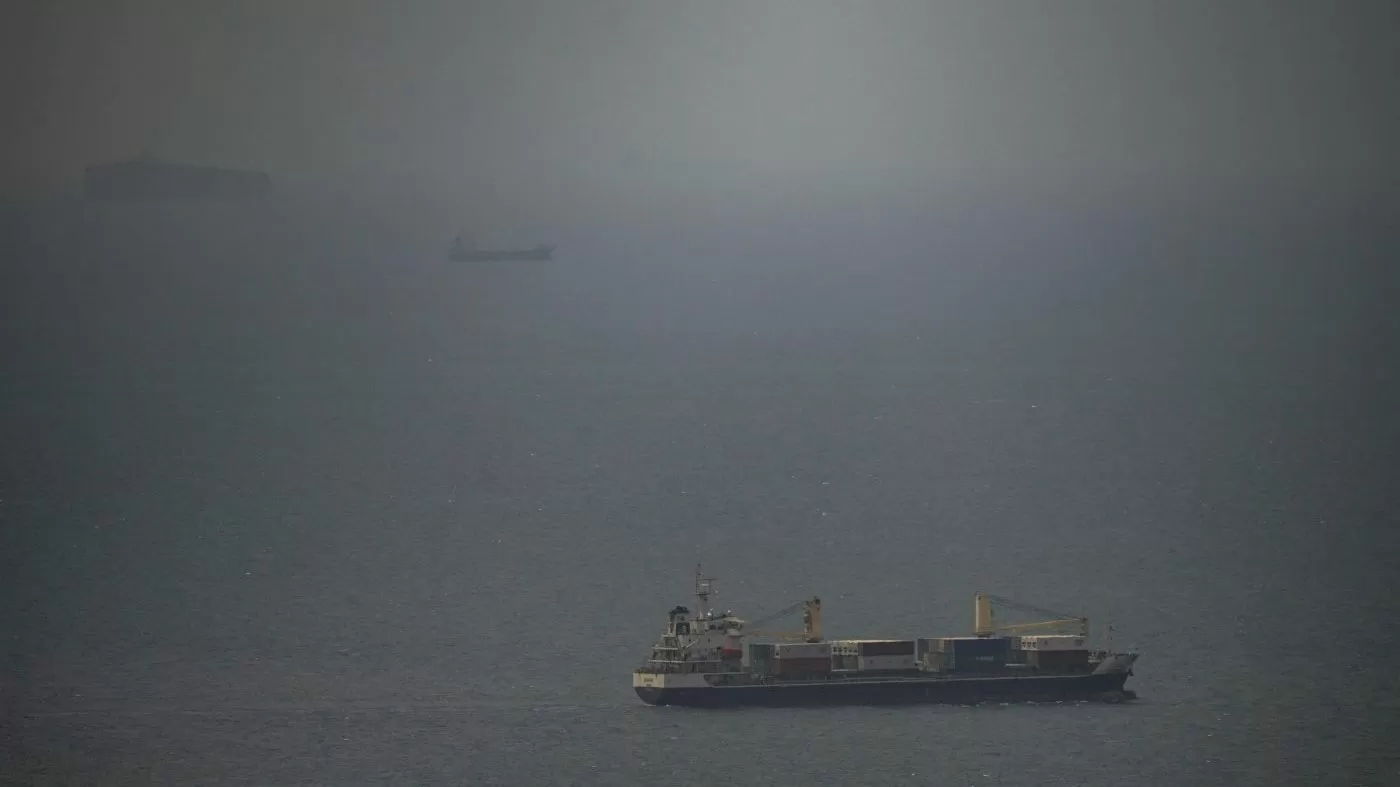
According to the U.K. Maritime Trade Operations (UKMTO), an IRGC gun boat approached and fired on a container ship in the Strait of Hormuz. The ship was able to evade the attack and no casualties were reported. However, this brazen act of aggression has once again put the spotlight on the IRGC and its role in the ongoing tensions between Iran and the United States.
The Strait of Hormuz is a vital waterway for global oil trade, with nearly one-fifth of the world’s oil passing through it. Any disruption in this area can have serious consequences for the global economy. The recent attacks by the IRGC have only added to the already tense situation in the region.
This latest incident comes less than a day after President Trump announced the indefinite extension of the ceasefire with Iran. The ceasefire was initially put in place after the U.S. drone strike that killed top Iranian General Qasem Soleimani in January. However, the extension of the ceasefire was contingent on Iran agreeing to negotiate a new deal with the U.S.
The IRGC’s attack on the ships in the Strait of Hormuz is a clear violation of the ceasefire and a direct challenge to the U.S. and its allies. It is a blatant display of the IRGC’s disregard for international laws and norms. This is not the first time that the IRGC has been involved in such aggressive actions. In the past, the IRGC has been accused of attacking oil tankers and seizing foreign ships in the Persian Gulf.
The IRGC is a powerful military force in Iran, with its own navy, air force, and ground forces. It is also heavily involved in Iran’s political and economic affairs. The IRGC has been designated as a terrorist organization by the U.S. and its allies, and its actions have been a major source of concern for the international community.
The U.S. has condemned the IRGC’s attack on the ships and has called for an immediate de-escalation of tensions in the region. The U.K. has also expressed its concern and has called for a thorough investigation into the incident. The international community must come together to address the growing threat posed by the IRGC and its aggressive actions.
Iran has denied any involvement in the attack and has accused the U.S. of trying to create a false narrative to justify its military presence in the region. However, the evidence clearly points to the IRGC’s involvement in the attack. It is time for Iran to take responsibility for the actions of its military and work towards finding a peaceful resolution to the ongoing tensions.
The IRGC’s attack on the ships in the Strait of Hormuz is a clear indication of the need for a new approach to dealing with Iran. The U.S. has repeatedly stated its willingness to negotiate a new deal with Iran, but the IRGC’s actions only serve to hinder any progress towards that goal. It is time for Iran to come to the negotiating table and work towards a peaceful resolution.
In conclusion, the IRGC’s attack on the ships in the Strait of Hormuz is a concerning development that highlights the need for a new approach to dealing with Iran. The international community must come together to address the growing threat posed by the IRGC and its aggressive actions. It is time for Iran to take responsibility for the actions of its military and work towards finding a peaceful resolution to the ongoing tensions. The U.S. remains committed to finding a diplomatic solution, but it is up to Iran to show its willingness to engage in meaningful negotiations. The stability of the region and the safety of global trade depend on it.
