
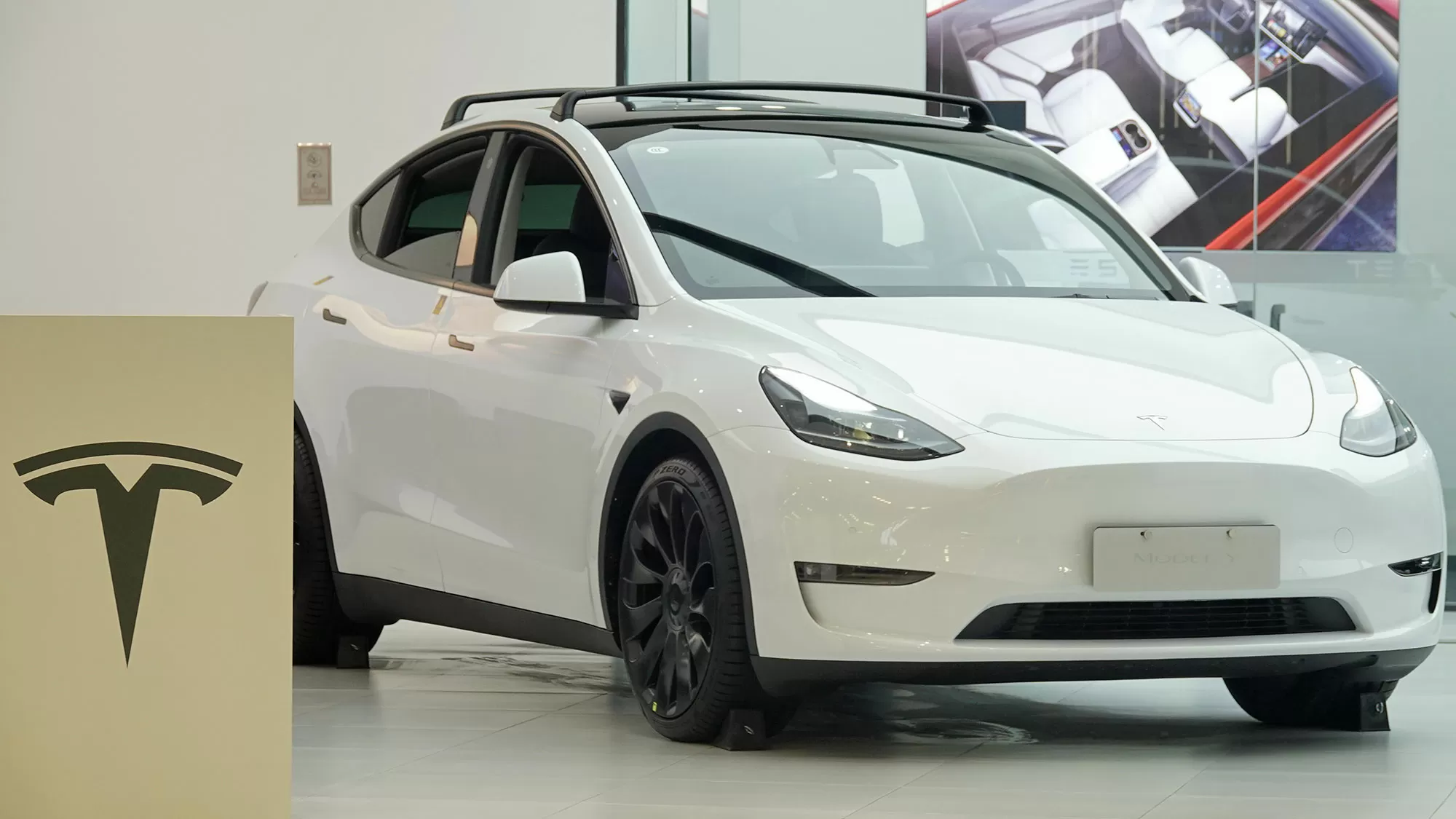
Tesla, the renowned electric car manufacturer, has been making headlines for its innovative technology and promises of fully autonomous cars. However, recent news of Tesla’s admission that their cars are not fully self-driving and may require human intervention has raised concerns and could potentially open the company to legal challenges.
For years, Tesla has been at the forefront of the electric car revolution, with its sleek designs and cutting-edge technology. One of the most enticing features of Tesla’s cars has been the promise of fully autonomous driving. The company has been marketing its vehicles as capable of self-driving, with the ability to navigate through traffic, make turns, and even park themselves. This has been a major selling point for Tesla, attracting customers who are looking for a futuristic driving experience.
However, in a recent statement, Tesla admitted that their cars are not fully self-driving and may require human intervention. This admission could potentially open the company to legal challenges from customers who were promised a fully autonomous driving experience. The news has caused quite a stir among Tesla owners and has raised questions about the company’s claims and marketing tactics.
The admission by Tesla comes after a series of accidents involving their self-driving technology. In 2018, a Tesla Model X crashed into a highway barrier while in autopilot mode, resulting in the death of the driver. This incident raised concerns about the safety and reliability of Tesla’s self-driving technology. In response, Tesla released a software update that was supposed to improve the performance of their autopilot system. However, this update did not make the cars fully autonomous as promised.
This recent admission by Tesla has left many customers feeling misled and disappointed. Some have even taken to social media to express their frustration and demand answers from the company. This could potentially lead to legal action against Tesla, as customers may feel that they were sold a product under false pretenses.
Moreover, this admission could also damage Tesla’s reputation and credibility. The company has always prided itself on being a leader in the electric car industry and a pioneer in self-driving technology. However, this admission has raised doubts about the company’s claims and could erode the trust of their customers.
On the bright side, Tesla’s admission could also be seen as a step towards transparency and accountability. By acknowledging that their cars are not fully self-driving, Tesla is taking responsibility for their technology and its limitations. This could potentially lead to further improvements and advancements in their self-driving technology, making it safer and more reliable for customers in the future.
In addition, Tesla’s admission could also serve as a wake-up call for other companies in the self-driving car industry. With the race to develop fully autonomous cars heating up, it is important for companies to be transparent about their technology and its capabilities. This will not only help manage customer expectations but also ensure the safety of everyone on the road.
In conclusion, Tesla’s admission that their cars are not fully self-driving could open the company to legal challenges and damage their reputation. However, it could also be seen as a step towards transparency and accountability in the self-driving car industry. As technology continues to advance, it is crucial for companies to be honest and transparent about their products to ensure the safety and satisfaction of their customers. Let us hope that Tesla will continue to strive towards their goal of fully autonomous cars while keeping the best interests of their customers in mind.
