
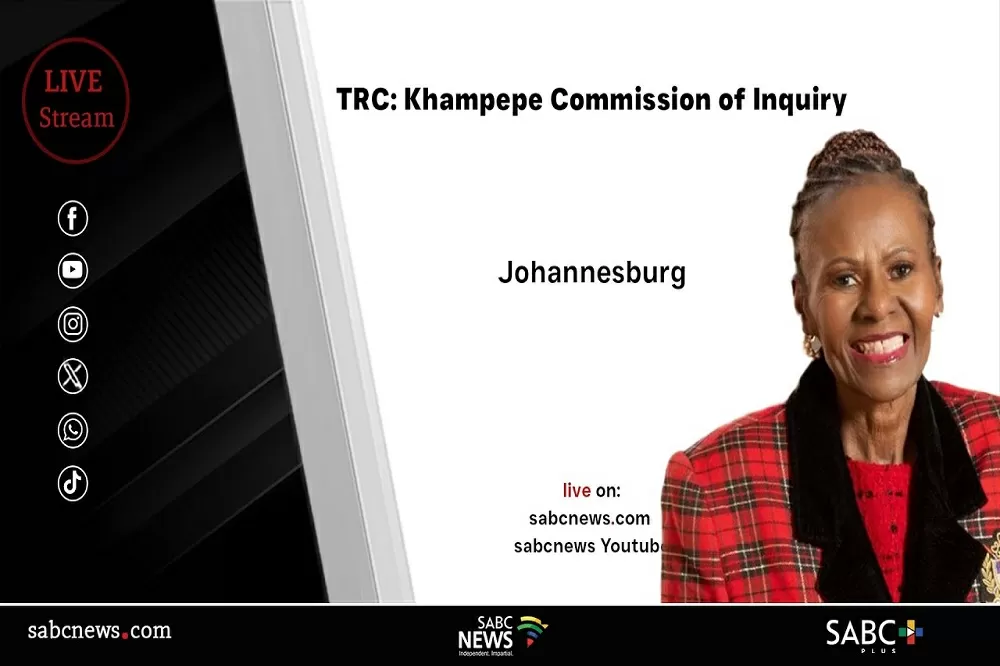
The Truth and Reconciliation Commission (TRC) Cases Inquiry is an important step towards achieving justice and healing for the victims of human rights violations during the Apartheid era in South Africa. This inquiry is being chaired by the honorable Justice Sisi Khampepe, a highly respected and experienced judge. Her leadership and expertise have been crucial in ensuring a fair and thorough investigation into these historical cases.
The TRC Cases Inquiry was established in 2018 by President Cyril Ramaphosa, in response to the recommendations made by the TRC in 1998. The TRC, led by Archbishop Desmond Tutu, was formed after the end of Apartheid to investigate and document the atrocities committed during this dark period in South Africa’s history. Its aim was to promote healing and reconciliation by uncovering the truth and granting amnesty to those who were willing to admit their crimes.
However, many of the TRC’s recommendations were not fully implemented, leaving many victims and their families without closure or justice. The TRC Cases Inquiry aims to revisit these cases, examine new evidence, and make recommendations for further action to be taken. Justice Khampepe and her team are working tirelessly to ensure that justice is served and that the victims’ voices are finally heard.
Justice Sisi Khampepe’s involvement in this inquiry is of great significance. She is highly respected for her integrity, fairness, and dedication to upholding the law. She has served as a judge in the Constitutional Court of South Africa, the highest court in the country, and has also been a member of the Independent Electoral Commission. Her vast knowledge and experience in the legal system make her the perfect candidate to lead this important inquiry.
Under Justice Khampepe’s leadership, the TRC Cases Inquiry has made significant progress in its investigations. The team has been thorough in gathering evidence and has conducted hearings with victims and witnesses across the country. This has allowed for a better understanding of the atrocities committed during Apartheid and has given a voice to those who were silenced for far too long.
One of the main objectives of the TRC Cases Inquiry is to recommend reparations for the victims and their families. Justice Khampepe and her team have been working closely with the Department of Justice to develop a comprehensive plan for providing reparations, including financial compensation and other forms of redress. This is an essential step towards achieving justice and healing for the victims and their communities.
The TRC Cases Inquiry has also received support from various human rights organizations and civil society groups. This is a testament to the importance of this inquiry and its potential to bring about much-needed closure for the victims and their families. Justice Khampepe’s leadership has been commendable in fostering collaboration and ensuring that the inquiry stays on track and delivers its mandate.
The TRC Cases Inquiry is not without its challenges. Many of the cases being investigated are complex and require extensive resources and time. However, Justice Khampepe and her team are committed to seeing this through and bringing justice to all those who have suffered. The inquiry also serves as a reminder to the nation that the wounds of the past must be addressed and that we must work together towards a more just and equal society.
In conclusion, the Truth and Reconciliation Commission Cases Inquiry, under the leadership of Justice Sisi Khampepe, is a vital step towards achieving justice and reconciliation in South Africa. Her dedication, expertise, and integrity have been crucial in steering this inquiry in the right direction. We must continue to support this inquiry and trust in the process as it brings us closer to healing and unity as a nation.
