Advanced Microscope Technology Offers Hope for Understanding Incurable Bowel Disease
Breakthrough microscope operates at 10x resolution of standard equipment, potentially leading to new treatments for inflammatory bowel disease affecting million...
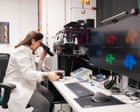
Revolutionary Microscope Technology Brings Hope to IBD Research
A groundbreaking advancement in microscopy technology is opening new doors for researchers investigating inflammatory bowel disease, a condition affecting hundreds of thousands of patients globally. This cutting-edge instrument represents a significant leap forward in the quest to understand the underlying mechanisms of incurable bowel disease and develop effective therapeutic interventions.
The innovative microscope, which operates at a resolution ten times greater than conventional microscopy systems, marks a watershed moment in gastrointestinal research. Scientists believe this enhanced visualization capability will enable them to observe cellular and molecular processes previously invisible to existing technology, potentially unlocking crucial insights into disease progression and pathology.
Understanding the Global Impact of Inflammatory Bowel Disease
The prevalence of inflammatory bowel disease continues to rise among younger populations across the globe, presenting a growing public health challenge. According to the British Society of Gastroenterology, more than half a million individuals throughout the United Kingdom are currently managing IBD, with Crohn's disease and ulcerative colitis representing the two predominant forms of this debilitating condition.
These chronic disorders significantly impact quality of life, causing patients to experience persistent inflammation of the digestive tract, severe abdominal pain, and unpredictable symptom flare-ups. Despite existing treatment options, many patients find their symptoms difficult to manage, underscoring the urgent need for more targeted and effective therapeutic approaches to inflammatory bowel disease.
How Advanced Microscopy Technology Works
The sophisticated microscope in question operates at unprecedented resolution levels, allowing researchers to examine tissue samples and cellular structures with extraordinary detail and clarity. This ten-fold increase in magnification capability compared to standard microscopy techniques enables scientists to identify subtle architectural changes, cellular abnormalities, and inflammatory markers that were previously undetectable.
By capturing images at such high resolution, researchers can now observe the interaction between immune cells and intestinal tissue at the microscopic level, potentially revealing the fundamental biological mechanisms driving incurable bowel disease. This enhanced visual information could prove invaluable in identifying new drug targets and developing innovative treatment strategies.
Pathways to New Treatment Discovery
The implications of this technological breakthrough extend far beyond basic research. By understanding the root cause of inflammatory bowel disease at a cellular level, scientists believe they can identify novel intervention points for pharmaceutical development. The detailed insights gained through advanced microscopy could accelerate the discovery and testing of new medications specifically designed to address the underlying inflammatory mechanisms.
Researchers anticipate that the enhanced visualization capabilities will reveal previously unknown aspects of disease progression in both Crohn's disease and ulcerative colitis, the two primary forms of inflammatory bowel disease. This knowledge could facilitate the development of personalized treatment approaches tailored to individual patient characteristics and disease subtypes.
Implications for Future Medical Research
The deployment of this innovative microscope represents a paradigm shift in how medical researchers approach the study of incurable bowel disease. The technology's ability to provide unprecedented cellular-level detail opens possibilities for discovering biomarkers that could predict disease progression or treatment response.
With hundreds of thousands of patients living with inflammatory bowel disease in the UK alone, and millions more worldwide, the potential impact of discoveries made possible by this technology cannot be overstated. Researchers hope that sustained investigation using this advanced equipment will ultimately lead to breakthrough therapies that could transform patient outcomes and quality of life for those suffering from these challenging conditions.