Afghan Women Detail Hardships After Five Years Under Taliban
Afghan women share devastating accounts of life under Taliban rule for five years, facing floggings, job loss, and healthcare barriers that threaten their survi...
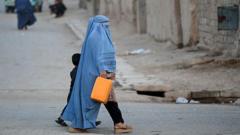
Afghan Women Share Devastating Accounts After Five Years of Taliban Rule
Afghan women continue to face extraordinary challenges and systematic restrictions as their lives remain unrecognizable following five years under Taliban governance. These women have opened up to international media about the profound transformations affecting their daily existence, describing experiences marked by severe limitations on personal freedoms and access to essential services. The situation for Afghan women under Taliban control has deteriorated significantly, with reports documenting public floggings, widespread job losses, and critical barriers to healthcare that directly endanger lives.
Public Floggings and Physical Punishment
One of the most alarming aspects of life for Afghan women under the current regime involves public physical punishment. Women have reported experiencing floggings administered in public spaces for violations of clothing regulations and behavioral codes imposed by Taliban authorities. These punitive measures represent a return to practices many thought had been eliminated during the previous two decades of international involvement in Afghanistan.
The implementation of strict dress codes has led to increased enforcement through physical punishment, creating an atmosphere of fear and control in Afghan communities. Women describe the psychological impact of witnessing and experiencing such public humiliation, which extends beyond physical pain to emotional trauma and social ostracism.
Employment Barriers and Economic Devastation
The economic situation for Afghan women has become increasingly dire under Taliban rule. Many women have been forcibly removed from their jobs or prevented from working altogether, creating unprecedented financial hardship for families that depended on female breadwinners. The Taliban's restrictions on women's employment have eliminated opportunities across numerous sectors, including education, healthcare, and public administration.
Prior to Taliban takeover, many Afghan women had begun establishing themselves in professional roles and business ventures. These economic gains have been almost entirely reversed, pushing many households into poverty. Women who were teachers, doctors, civil servants, and entrepreneurs now find themselves unable to contribute to their families' financial security.
Healthcare Access and Medical Emergencies
Healthcare represents one of the most critical concerns for Afghan women living under Taliban governance. The regime has implemented restrictions that prevent women from accessing medical treatment without a male guardian present, a requirement that has proven fatal in numerous cases. Women facing medical emergencies have died because they could not obtain timely healthcare due to these restrictive policies.
The barriers to healthcare extend beyond access restrictions to include the shortage of female medical professionals. As women have been pushed out of the healthcare workforce, fewer female doctors and nurses remain available to treat female patients, creating additional complications in a deeply conservative society where women prefer treatment from female providers.
Pregnant women and mothers have been particularly affected by these healthcare restrictions. Maternal mortality rates have increased significantly, as women delay seeking necessary prenatal care and delivery services due to the requirement for male guardians to authorize medical treatment.
Educational Opportunities Eliminated
Education for Afghan women has become virtually inaccessible under Taliban rule. Secondary schools for girls remain closed, and university enrollment for women has been severely restricted. This reversal of educational progress affects millions of young Afghan women who now have no pathway to formal education.
Women who were previously teachers have lost their positions, and girls who were pursuing degrees have seen their academic futures terminated. The long-term implications of this educational deprivation will affect Afghan society for generations to come.
Social and Psychological Impact
Beyond the tangible restrictions, Afghan women describe the psychological toll of living under such oppressive conditions. The constant surveillance, the limitations on movement and expression, and the loss of autonomy have created significant mental health crises across the female population. Women report feeling trapped, hopeless, and uncertain about their futures.
The social fabric that once allowed for some degree of female interaction and community has been dramatically restricted. Women are increasingly isolated, unable to work, study, or participate in public life, which compounds the psychological impact of Taliban rule.
International Response and Humanitarian Concerns
These detailed accounts from Afghan women have drawn attention from international organizations and human rights groups monitoring the situation. Documentation of systematic restrictions and human rights abuses continues to be compiled by journalists and humanitarian agencies working to keep the global community informed about conditions for Afghan women under Taliban governance.
The testimonies of Afghan women serve as critical evidence of the humanitarian crisis unfolding within the country. Their voices remain essential to understanding the real-world impact of Taliban policies on half the population of Afghanistan.


