African and Caribbean Nations Demand Formal Apology for Transatlantic Slavery
African and Caribbean leaders call for formal apologies, debt relief, and financial compensation from nations benefiting from the transatlantic slave trade.
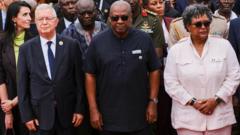
African and Caribbean Nations Demand Formal Apology for Transatlantic Slavery
Regional leaders from Africa and the Caribbean have issued a unified call for formal apologies and comprehensive reparations related to the transatlantic slavery era. The push for transatlantic slavery apology marks a significant diplomatic effort to address historical injustices and secure tangible remedies for nations whose development was severely impeded by centuries of exploitation.
Core Demands for Historical Accountability
The initiative centers on three principal objectives aimed at addressing the economic and social consequences of the slave trade. African and Caribbean representatives have specifically requested official acknowledgment from nations that accumulated vast wealth through slavery operations. Beyond symbolic gestures, leaders are pursuing concrete financial mechanisms to address historical wrongs.
Formal Apologies and Recognition
At the heart of these negotiations lies the demand for formal, state-level apologies from countries that participated in or profited from the transatlantic slave trade. This requirement goes beyond rhetorical statements, emphasizing the need for official governmental recognition of complicity and responsibility. Many nations have historically avoided such formal declarations, making this push unprecedented in scope and organization.
Financial Compensation Mechanisms
Beyond apologies, African and Caribbean nations are seeking direct financial compensation. This represents recognition that slavery created generational wealth gaps that continue affecting these nations today. The proposed compensation framework aims to address documented economic damages resulting from forced labor exploitation and resource extraction during the colonial period.
Debt Relief as Part of Broader Justice Framework
Leaders have emphasized that debt relief constitutes an essential component of comprehensive reparations. Many African and Caribbean nations carry significant external debt burdens that limit their ability to invest in critical infrastructure, healthcare, and education. Proponents argue that debt forgiveness would facilitate genuine economic development opportunities that slavery historically denied to these populations.
Historical Context and Economic Impact
The transatlantic slave trade fundamentally shaped global economic structures over nearly four centuries. An estimated 12 million Africans were forcibly transported to the Americas, generating enormous profits for European and American merchants, shipbuilders, and plantation owners. These accumulated riches funded industrial development in Western nations while systematically impoverishing African societies through population loss and resource depletion.
Lasting Economic Disparities
Wealth accumulated during slavery continues generating advantages for descendant nations and institutions. Research demonstrates clear correlations between historical slave trade participation and current national wealth levels. African and Caribbean economies remain constrained by colonial legacies, limited capital access, and infrastructure deficits directly traceable to slavery's extraction model.
International Response and Diplomatic Challenges
The collective demand from African and Caribbean leaders presents both opportunities and obstacles in international relations. Some developed nations have issued partial acknowledgments, while others maintain positions minimizing historical responsibility. The unified regional stance strengthens negotiating power but faces resistance from nations reluctant to accept legal liability or financial obligations related to historical events.
Looking Forward: Implementation and Monitoring
Establishing mechanisms for implementing apologies, compensation, and debt relief requires coordination among multiple governmental and international bodies. African and Caribbean nations are working to formalize proposals through the United Nations and regional organizations. Success depends on sustained diplomatic pressure, public awareness, and political will from both demanding and defendant nations.
The movement represents a critical moment in acknowledging historical injustices and exploring pathways toward genuine economic and social equity. As negotiations progress, the specific terms of apologies, compensation amounts, and debt relief conditions will require careful negotiation to ensure meaningful impact on affected communities and nations.


