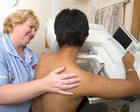
AI Detects Heart Disease in Women via Mammograms
New study reveals artificial intelligence can identify cardiovascular problems in women through routine mammogram screenings, potentially saving lives.

Revolutionary AI Technology Identifies Cardiovascular Risk in Mammograms
A groundbreaking study demonstrates that AI detects heart disease in women by analyzing routine breast cancer screening images. Researchers have successfully developed an innovative approach that transforms standard mammograms into a dual-purpose diagnostic tool, potentially identifying cardiovascular problems alongside cancer detection. This advancement addresses a critical gap in women's healthcare, as heart disease remains the leading cause of death among women worldwide, yet often goes undiagnosed until it reaches advanced stages.
How the AI Detection System Works
The research team employed sophisticated artificial intelligence algorithms to examine mammogram images with unprecedented precision. The AI detects heart disease markers by analyzing subtle patterns and characteristics within breast tissue imaging data. Through machine learning models trained on extensive datasets, the system successfully identified women at risk for coronary heart disease, elevated blood pressure, and previous stroke events. This technological breakthrough enables medical professionals to gather critical cardiovascular information from imaging procedures already routinely performed, eliminating the need for additional screening appointments.
Key Findings from the Clinical Analysis
The study revealed that AI detects heart disease indicators with remarkable accuracy when applied to mammogram data. Researchers analyzed thousands of mammograms using their specialized algorithms, comparing the AI predictions against actual patient health records and outcomes. The results demonstrated consistent accuracy in identifying women with established cardiovascular conditions, regardless of whether these conditions had been previously diagnosed. This suggests the technology could catch cases of undiagnosed heart disease, representing a significant advancement in preventive medicine.
Implications for Women's Healthcare Screening
Current breast cancer screening protocols involve regular mammograms for women over forty or those with specific risk factors. By integrating cardiovascular assessment into these existing procedures, healthcare systems could dramatically expand disease detection without burdening patients with additional appointments or costs. The dual-purpose approach addresses a longstanding challenge in medicine: how to improve disease detection rates while optimizing healthcare resource allocation. Women undergoing routine cancer screening could simultaneously receive valuable information about their cardiovascular health status.
The Underdiagnosis Problem in Women
Heart disease in women has historically been underdiagnosed compared to men, partly because symptoms present differently and screening protocols have traditionally focused on male-pattern presentations. Many women experience atypical symptoms or receive delayed diagnoses until significant damage has occurred. AI technology offers a potential solution by providing objective, systematic analysis that does not rely on subjective symptom reporting. This automated approach could identify at-risk women before they experience serious cardiac events.
Artificial Intelligence's Role in Modern Medicine
This study exemplifies how artificial intelligence enhances medical imaging analysis beyond human capability. Machine learning algorithms can process complex visual information and identify patterns invisible to the human eye, even experienced radiologists. When AI detects heart disease markers in mammograms, it provides physicians with additional diagnostic confidence and actionable information. The technology operates as a complementary tool, supporting rather than replacing clinical judgment.
Integration into Clinical Practice
Healthcare institutions considering implementation would need to validate the AI system within their specific populations and imaging equipment. Standardization protocols must be established to ensure consistent results across different medical centers. Training programs for radiologists and technicians would help them interpret the new cardiovascular data generated from routine mammograms. Integration into existing electronic health records systems would streamline information sharing among cardiology and oncology departments.
Future Research Directions
The study opens multiple pathways for expanded research. Scientists could refine algorithms to detect additional cardiovascular markers or other disease indicators visible in mammographic imaging. Longitudinal studies tracking patients over extended periods would establish how effectively these AI-identified risk factors predict future cardiac events. Researchers might also explore applying similar technologies to other routine imaging procedures, such as chest X-rays or CT scans, to identify multiple diseases simultaneously.
Potential Healthcare System Benefits
From a public health perspective, this advancement could reduce overall healthcare costs by catching disease earlier when treatment is typically less intensive and expensive. Fewer emergency interventions and hospitalizations would result from identifying cardiovascular problems during routine screening. Additionally, women could benefit from earlier lifestyle modifications and preventive medications before serious complications develop. The efficiency gain of analyzing existing imaging data represents an attractive proposition for healthcare systems seeking to improve outcomes within budget constraints.
Addressing Concerns and Limitations
While promising, this technology requires careful validation before widespread implementation. Medical regulators must ensure the AI system meets rigorous accuracy standards across diverse populations. Concerns about algorithmic bias necessitate testing across various demographic groups to confirm equitable performance. Privacy considerations regarding data used to train the algorithms must be thoroughly addressed. Healthcare providers will need clear guidelines about how to communicate cardiovascular findings identified through AI analysis to patients and their primary care physicians.
The discovery that AI detects heart disease in women through mammogram analysis represents a meaningful advancement in preventive healthcare. By leveraging existing screening infrastructure and artificial intelligence capabilities, this approach has potential to save lives through earlier detection and intervention of cardiovascular disease in women.