Andy Burnham Commits to Net Zero Despite Jackdaw Gasfield
Andy Burnham reaffirms UK's net zero commitment despite approving Jackdaw gasfield. PM pledges determination in climate crisis response.
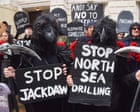
Prime Minister Reinforces Net Zero Commitment
Andy Burnham has firmly restated his administration's dedication to achieving net zero commitment UK targets, emphasizing that approving the Jackdaw gasfield development does not signal abandonment of climate responsibilities. The prime minister's latest remarks represent his strongest statement yet regarding climate action, coming at a time when considerable skepticism exists among parliamentary members regarding the genuineness of governmental climate intentions.
In a comprehensive article published in The Guardian, Burnham articulated his position with clarity, stating that his "determination is unwavering" in confronting the climate emergency. This declaration seeks to address mounting concerns from within his own party about the consistency between energy sector approvals and broader climate commitments.
Strategic Policy Direction on North Sea Licensing
The government has committed to preventing future exploration licenses in the North Sea, marking a significant policy stance despite the Jackdaw gasfield approval decision. This distinction between existing projects already in development and new licensing rounds represents a deliberate policy framework aimed at balancing immediate economic considerations with long-term environmental objectives.
Burnham's position reflects an attempt to navigate the complex intersection of energy security, economic interests, and climate imperatives. By blocking new North Sea permits while allowing pre-existing developments to proceed, the administration aims to demonstrate commitment to reducing fossil fuel dependency without imposing immediate disruption to established operations.
Addressing Parliamentary Skepticism on Climate Action
Multiple members of Parliament have privately questioned the authenticity of the government's UK climate crisis response, particularly following the Jackdaw gasfield greenlight. These concerns underscore the tension between stated environmental ambitions and practical policy decisions that continue supporting hydrocarbon extraction.
The prime minister's Guardian article appears designed to confront this skepticism directly, offering a more detailed explanation of the government's climate strategy. Rather than retreat from climate commitments, Burnham emphasizes that achieving net zero requires pragmatic approaches that account for existing infrastructure and gradual transition mechanisms.
The Net Zero 2050 Timeline and Strategic Framework
Britain's net zero 2050 target remains the cornerstone of the government's environmental policy, with officials asserting that the pathway toward this objective remains intact. This ambitious deadline requires comprehensive transformation across energy generation, transportation, industrial processes, and residential sectors.
Achieving net zero by mid-century necessitates accelerated deployment of renewable energy infrastructure, enhanced energy efficiency standards, and technological innovation in decarbonization technologies. The government's strategy incorporates these elements while managing transition challenges that could affect employment and energy prices.
Energy Security and Climate Goals Intersection
The approval of the Jackdaw gasfield has prompted discussion about whether traditional hydrocarbon projects can coexist with ambitious climate objectives. Energy security considerations, particularly regarding domestic supply capabilities and protection against price volatility, have influenced this regulatory decision.
Government officials contend that maintaining certain existing gas infrastructure supports grid stability during the renewable energy transition period. Natural gas plants can provide flexible backup capacity as wind and solar generation becomes increasingly prevalent in the energy mix.
Government's Climate Action Commitments
Beyond North Sea licensing restrictions, the administration has outlined comprehensive climate measures designed to accelerate the transition toward renewables. These initiatives encompass investment in wind and solar capacity, modernization of electricity grid infrastructure, and support for emerging low-carbon technologies including hydrogen and battery storage systems.
The government also emphasizes its commitment to green job creation, arguing that the transition toward net zero presents substantial employment opportunities across renewable energy sectors, retrofitting existing buildings, and manufacturing clean technologies. These workforce development aspects address concerns about economic displacement during the transition period.
Conclusion: Balancing Pragmatism and Ambition
Andy Burnham's reaffirmation of net zero commitment UK represents the government's determination to maintain climate credibility while managing practical energy policy complexities. The Jackdaw gasfield approval, coupled with new North Sea licensing restrictions, illustrates the administration's effort to pursue pragmatic climate action rather than abrupt policy shifts.
The coming years will demonstrate whether this balanced approach successfully achieves the net zero 2050 target while ensuring energy stability and economic viability throughout the transition process.