Antiparasitic Medications Marketed Fraudulently as Cancer Cures
BBC investigation reveals dangerous scam: antiparasitic drugs sold as cancer treatments. Terminally-ill patients deceived by fraudulent health claims. Learn the...
Dangerous Health Fraud Uncovered: Antiparasitic Drugs Misrepresented as Cancer Treatments
A comprehensive BBC investigation has exposed a concerning scheme in which antiparasitic drugs and scabies medications are being illegally marketed and sold to vulnerable patients as legitimate cancer treatments. The probe reveals how unscrupulous sellers have systematically misrepresented these substances to terminally-ill individuals desperate for hope, exposing a significant gap in consumer protection and medical oversight.
How the Deception Unfolded
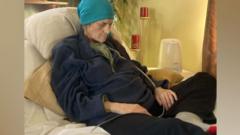
The investigation documented a particularly troubling case involving a terminally-ill patient who was approached by an individual selling stair lifts. This salesman made extraordinary claims that antiparasitic drugs could effectively shrink tumors, offering what amounted to false medical advice to someone in a vulnerable health situation. The victim, facing an incurable diagnosis, was presented with these fraudulent solutions as viable medical interventions.
This method of selling antiparasitic drugs demonstrates the predatory nature of the scheme. Salespeople operating outside legitimate medical channels have capitalized on the desperation of cancer patients and their families, weaponizing their hope against them. By positioning antiparasitic medications as tumor-shrinking agents, these fraudsters have created a dangerous market for medications that have no proven efficacy against cancer.
The Dangers of Antiparasitic Drugs as Cancer Treatments
Antiparasitic drugs and scabies medications are specifically formulated to treat parasitic infections and skin conditions. When cancer patients consume these substances instead of seeking legitimate medical treatment, they face multiple serious risks. First, they delay access to actual evidence-based cancer therapies that could extend their lives or improve quality of life. Second, these medications can cause adverse health effects when used inappropriately or in dosages not prescribed by qualified medical professionals.
The deception surrounding antiparasitic drugs as cancer cures represents a fundamental betrayal of medical ethics. Cancer treatment requires rigorous scientific validation, clinical trials, and oncologist oversight. Antiparasitic medications lack any scientific basis for cancer treatment and have never demonstrated tumor-shrinking properties in peer-reviewed medical research.
Targeting Vulnerable Populations
The BBC investigation highlights how this fraud specifically targets some of society's most vulnerable individuals. Terminally-ill patients often experience psychological distress, financial strain, and diminished decision-making capacity due to their condition. By approaching them through seemingly legitimate commercial channels like home improvement salespeople, fraudsters exploited these vulnerabilities.
Family members of cancer patients also become targets. Desperate relatives frequently search for alternative solutions when conventional medicine offers limited options, making them susceptible to misinformation about antiparasitic drugs and their purported anti-cancer properties.
Regulatory and Legal Implications
This scheme raises critical questions about regulatory enforcement and consumer protection mechanisms. Health authorities typically monitor pharmaceutical marketing, but unauthorized distribution of antiparasitic drugs through unconventional channels creates enforcement challenges. The use of non-medical salespeople to market these substances demonstrates the sophisticated methods fraudsters employ to circumvent regulatory oversight.
Antiparasitic drug fraud represents multiple legal violations, including medical fraud, false advertising, and potentially practicing medicine without a license. Authorities must strengthen mechanisms to identify and prosecute those engaged in this deceptive practice.
Public Health Response and Prevention
Medical professionals warn that cancer patients considering any unproven treatment should consult with their oncology team before making changes. Legitimate cancer treatment options are limited but evidence-based; antiparasitic drugs offer neither legitimacy nor efficacy for oncological conditions.
Healthcare organizations recommend that patients and families verify all medical claims through qualified healthcare providers and established medical institutions. The BBC investigation serves as a critical reminder that unverified cancer treatments, regardless of how they are marketed, pose serious risks to public health.
Moving Forward
This investigation underscores the need for enhanced consumer awareness, stronger regulatory enforcement against antiparasitic drug fraud schemes, and better protection for vulnerable populations. As fraudsters continue finding new ways to exploit desperate cancer patients, public vigilance and institutional oversight remain essential safeguards against medical deception.


