BA Flight Emergency: Passenger Recounts Terrifying Mayday Moment
A passenger on a British Airways flight that issued a mayday distress call shares his frightening experience before the safe landing at Heathrow.
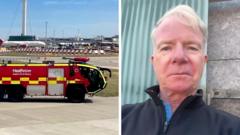
Passenger Reveals Harrowing Account of British Airways Mayday Flight
Edward Killiwick, a traveler aboard the British Airways mayday flight, has provided a detailed and emotional account of the moments leading up to and following the aircraft's dramatic distress call. The incident, which occurred earlier this month, saw the commercial airliner issue a mayday alert before executing a safe landing at London's Heathrow Airport, leaving passengers shaken but unharmed.
The Terrifying Moments Unfold
During the critical sequence of events aboard the British Airways flight, Killiwick witnessed scenes of genuine panic and desperation among fellow passengers. He describes hearing anguished cries from those around him, with one particularly haunting moment when someone near him shouted out their fear of dying. The emotional intensity of the situation underscored the gravity of what passengers believed was occurring at that moment.
The mayday distress call transmitted by the flight crew indicated a serious technical or operational issue that required immediate intervention. This emergency declaration automatically triggers heightened alert status at air traffic control centers and emergency services at nearby airports, ensuring maximum resources are available for response and support.
Understanding the Emergency Response
When an aircraft issues a mayday call, it represents the highest level of emergency communication in aviation. The British Airways flight's transmission activated comprehensive emergency protocols at Heathrow, with ground crews positioned and ready for any contingency. Emergency vehicles, medical personnel, and specialized response teams were mobilized to prepare for the aircraft's imminent arrival.
The professional response from the flight crew during this crisis proved instrumental in managing the situation. Pilots and cabin staff worked in coordination to ensure passenger safety while navigating the emergency landing procedures. Their training and composure under extreme pressure helped maintain order and prevent further panic among the approximately 200 individuals aboard the aircraft.
The Safe Landing at Heathrow
Despite the alarming circumstances that prompted the distress call, the British Airways flight successfully touched down at Heathrow Airport without further incident. The landing, executed with precision under emergency conditions, demonstrated the skill and dedication of the cockpit crew. Passengers disembarked safely, though many remained visibly affected by their experience.
The successful conclusion to what began as a terrifying ordeal provided some relief to those aboard, yet the psychological impact of the incident lingered. Killiwick and other passengers had to grapple with the reality of what they had experienced and the unexpected vulnerability they felt at thousands of feet above ground.
Investigating the Incident
Following any mayday distress call, aviation authorities initiate thorough investigations to determine the root cause of the emergency. The British Airways flight incident would trigger examination of technical systems, crew communications, and environmental factors that may have contributed to the situation. These investigations serve the critical purpose of identifying potential safety improvements and preventing similar incidents in future operations.
British Airways, as a major international carrier operating from Heathrow, maintains rigorous safety standards and maintenance protocols. The airline cooperates fully with regulatory investigations and implements any necessary remedial measures identified through the inquiry process.
Passenger Safety in Modern Aviation
While incidents such as this British Airways mayday flight naturally alarm travelers, modern aviation maintains an exceptional safety record. The systems, training, and procedures that enabled this aircraft to land safely represent decades of accumulated knowledge and continuous improvement in aviation safety. Commercial aviation remains statistically the safest form of long-distance travel available to the public.
Passengers like Killiwick, who experienced the intensity of an in-flight emergency, gain profound appreciation for the engineering and professionalism that underlies air travel. Though their experience was undoubtedly frightening, the successful outcome reinforces the effectiveness of aviation's multi-layered safety systems.


